Thursday, October 29, 2020

Ways to Care for Your Trees This Spring

As the weather begins to brighten and the trees start to blossom, it’s safe to say that we are finally in the midst of spring! As such, there’s no better time than now to get outside and prepare your garden for the spring/summer seasons so it can flourish, thrive and achieve its full potential. Whether you are a new homeowner looking to take care of the trees in your yard by yourself, or a landscaper looking for a setlist of what to do – this list will provide you with the guidance and steps that you need.

Springtime is the perfect time to start providing your trees with some extra love and attention. Because they have been essentially asleep for the past three months, as well as having had moisture and debris build upon them, it is vital that your trees are taken care of as early into spring as possible.

Spring Tree Care Tips
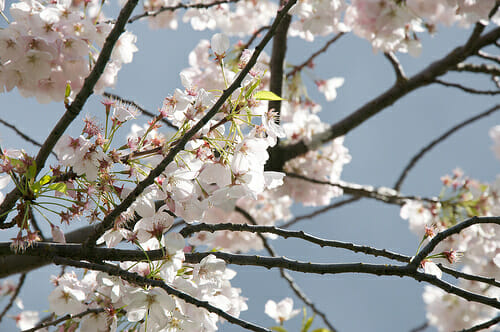
Spring tree careSpring has bounded into the Portland area! As blossoms emerge, it’s time to conduct the following basic spring tree care tasks for the long-term health of your trees. So as to give your trees a long, productive growing season, it’s best to complete these tasks early in the season, in March and early April. Let’s take a look at the most effective spring tree care projects Portland homeowners and businesses can tackle to keep trees healthy this year.

Spring Cleaning Begins at Base of the Tree

Remove twigs, leaves, and other detritus that may have accumulated beneath and around trees. Warmer weather signals the time to remove any protective plastic or coverings you may have had in place during the cold winter months. It’s a good idea to rake up any debris that collected underneath or around the tree, like old leaves or fallen fruit because this helps to protect the tree from any diseases or fungi that might be lingering.

Inspect Trees for Damage & Disease
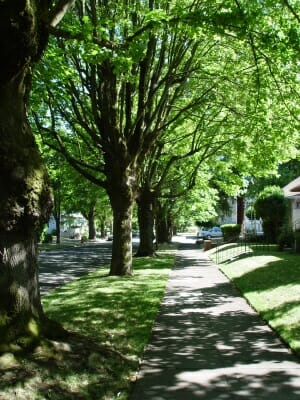
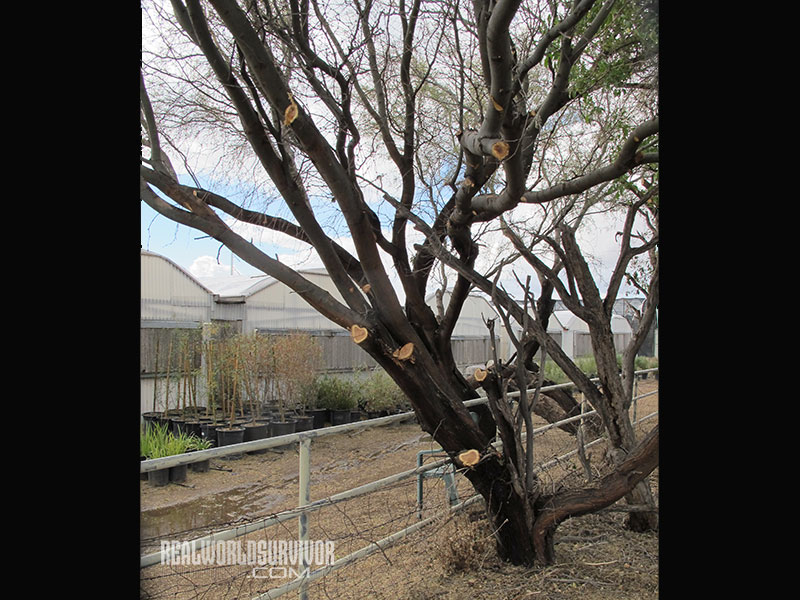
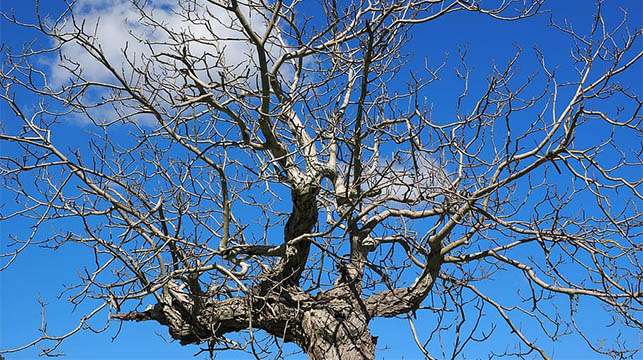
Portland Oregon Sidewalk Shaded by TreesLook for obvious signs of tree disease, including broken branches, holes, molds, and fungi. Also notice which branches do not put out blossoms or leaves—these are likely dead and ready to be pruned away, ideally by a professional Portland tree pruning service, such as Urban Forest Professionals. Winter desiccation, also known as “winter burn,” can occur when plants dry out in cold winter conditions. Winter sunscald is another challenge; it manifests as vertical cracks in tree bark. The discoloration is another clue that something may be amiss. For instance, some plants will yellow if they receive too much water.

If you have questions about damage, call an experienced arborist for sound information. Our Portland ISA-certified arborists can recommend when to remove branches, when to add supportive cables, and when it’s best to remove the whole tree, rather than risk it crashing down in the next storm.

Plant New Trees in Spring

Trees bring dozens of benefits to your home or business! They reduce noise levels, stabilize soil, and give wildlife a place to perch. Trees also increase property values while decreasing energy costs. Spring is a good time to add trees to your property, as their roots will have enough time to dig in before scorching summer temperatures hit. Of course, every tree species has its own preferences, so feel free to contact us with questions about the best time to plant a new tree.

Mulch trees and water
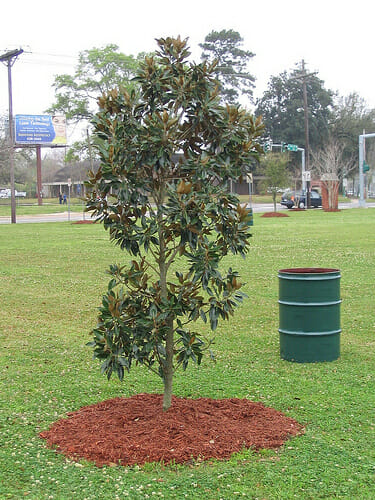
Mulching trees in spring helps them thrive all year

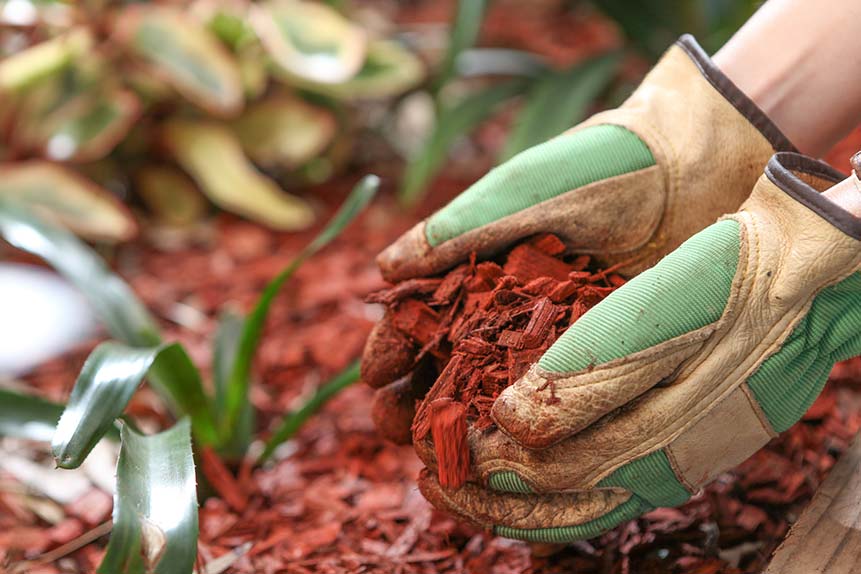
Next, apply some mulch. Mulching trees helps to suppress weeds and retain moisture. It’s most important when you’re dealing with young trees (less than 10 years old), but older trees can benefit as well. The layer of mulch should be two to three inches thick and a couple of feet wide. Don’t let it touch the trunk directly, though, because this gives diseases an easy point of access. Leave an inch or two clear.

Don’t water the tree until the soil thaws, or else you’ll just create runoff. Don’t let the tree dry out even when the weather is cool, though. You might have to water a few times a day. Deeply water any trees near areas where deicing materials were used. Watering it well helps to wash away the salt and minerals. Finally, adjust your sprinklers so they don’t create puddles or spray the leaves—wet foliage encourages disease.

Fertilize Trees

Fertilization can also be done in the spring months. Fertilizer is a good idea whenever soil lacks the macronutrients and micronutrients that trees need to thrive. To figure out if an established tree needs fertilization, observe its shoot growth, i.e., the growth that happens in a single year. In general, shoot growth of fewer than 2 inches indicates a fertilizer may be required. Of course, certified arborists take many other factors into account when prescribing the best fertilization approach.

Beyond soil testing, foliage color and the history of the yard should also be considered. As far as timing goes, it’s ideal to provide slow-release fertilizer prior to the tree’s springtime growth spurt. While fertilization timing varies by location, by soil conditions, and by species, a good rule of thumb is to apply fertilizer as soon as the ground is workable in the spring.

Importance of Fertilizing Portland trees in spring
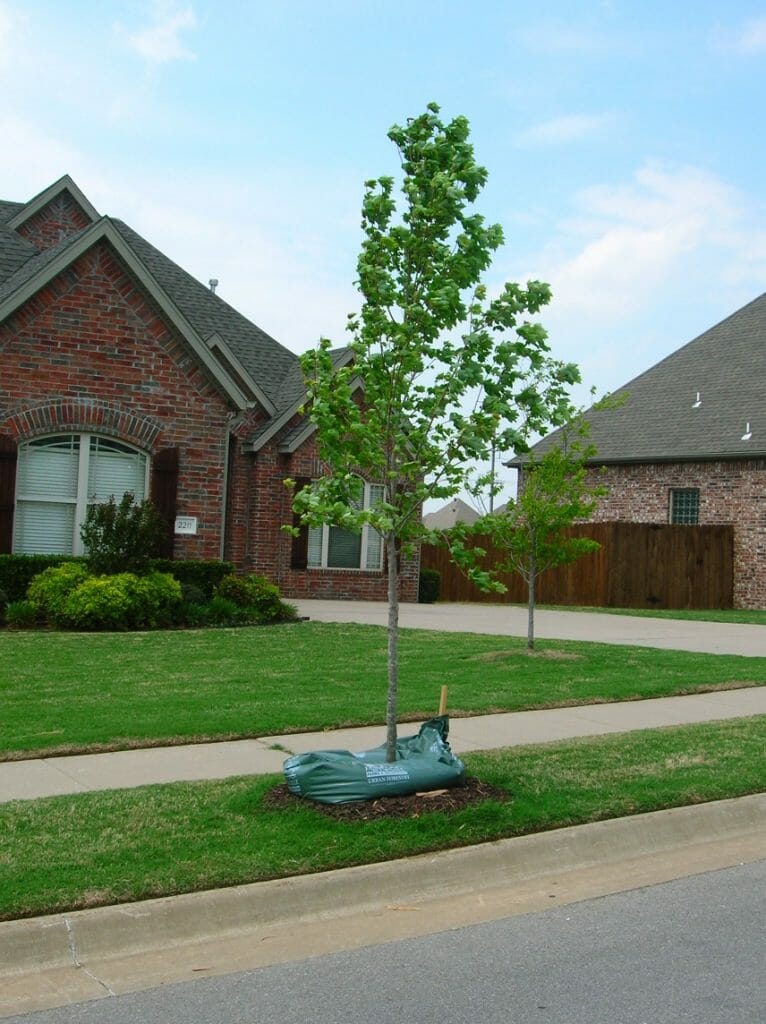
Tree Planting Aftercare, fertilizing treesSpring tree fertilization is common as most trees have their greatest need for nutrients in the spring. In Portland, this spring application usually happens in March or April as, rainy, cold weather wanes and sunny weather begins to show its face. Trees in the city need fertilization because many of the natural processes that take place to add nutrients to the soil are disrupted. Leaves and other debris are cleaned up before they can be re-incorporated into the soil. Soil is often compacted so many nutrients are washed away as urban runoff. Also, the presence of pollutants can strip nutrients from the soil or disrupt their absorption.

If your tree is having health issues, fertilization is likely an important part of getting that tree back into tip-top shape, but you need to be sure that the problem that caused the tree to be unhealthy has been resolved. A Certified Arborist can help you identify and diagnose health issues. Trees are similar to humans in that when we are sick good nutrition can go a long way to getting us back on our feet, but in some cases, additional medicine or other interventions are required to achieve and maintain our health.

We use two basic types of fertilizers for trees

  1. Chemical: This is your basic man-made chemical fertilizer. There are several reputable brands which have developed formulations made specifically for either Deciduous or Evergreen trees, and for application in either the spring or the fall. Two of the most popular brands are Jobes and Phc for trees. Jobes is a good quality one that has an organic option and is available at most Home Depot stores. Phc is a little harder to find but has excellent proven results and is what many professional arborists use.
  2. Natural Mix: For us this is a compost tea mixed with Mycorrhizal Fungi. This fertilizer combination is a more organic option that mimics nature. The Mycorrhizal Fungi helps with the absorption of the nutrients and, we have seen great results with their use of urban trees. This application is somewhat custom and cannot be bought off of the shelf.

Fertilization options for trees also come is several application options. Fertilizer is most cases can’t be just spread on the ground surrounding the tree. It needs to be inserted under the soil 6”-12” down into the root zone of the tree. Those application options are:

  1. Tree Spikes: These are the most common option for a DIY fertilizer application. Tree spikes are soil form fertilizer which is formed in a spike shape which can be driven into the ground by hand (of at least in theory they can).
  2. Deep Root Fertilization: This is a liquid fertilizer pumped into the soil using a long wand attached to a commercial pump. This method is favored by professional arborists.
  3. Injections: Fertilizer applications can be injected directly into the tree, but this is usually only done in extreme cases or when the tree is also receiving another type of injection.

Maintaining your trees is, of course, a year-round job, but taking big steps to ensure their health in the early spring will set them up for a great year! Each season comes with its own tasks and chores, so make sure you are taking care of your trees every day, all year.

With these tips and the help of Arborist Now, your trees should be happy, healthy and thriving this season!

Original post here https://www.urbanforestprofessionals.com/blog/spring-tree-care-tips/.


from AAA Tree Lopping Ipswich https://ift.tt/3mz2ZOv
via IFTTT

Can Pruning Kill a Tree? Know the Facts Before You Begin

Written by Admin and published on https://blog.davey.com/.

Watersprouts are inactive buds that get triggered and grow rapidly as well as unpredictably. They commonly grow vertically, defeating the purpose of the original topping cut and are normally inadequately affixed which makes them a threat for failure. If you have actually seen your tree has actually been topped and also a whole lot of watersprouts have been creating at the sites of the damages, do not fret, not all hope is lost.

The process is described as crown remediation. Crown remediation entails strategically removing watersprouts and also any type of dead branches while cultivating well put strongly connected watersprouts right into new branches. This process takes time as well as numerous prunings over a number of years yet will at some point renew and also reform your trees crown.

Pollarding is a trimming technique that is typically done to huge expanding, deciduous trees that grow readily after trimming. This specific approach of trimming should be begun while a tree is of a young age. The initial action of pollarding is to use heavy intermodal heading cuts on the subject.

Should You Seal Cut Tree Limbs?

Consequently, one have to eliminate the sprouts every year or every various other year. These areas will begin to develop handles or knuckles where the sprouts proceed to come from as well as time after time you have to continue removing the sprouts. The positioning of the cut is really important for this method to be successful.

An additional important variable that is crucial for the trees survival is the timing of the pruning. It is EXTREMELY vital that sprouts are removed throughout the dormant season. Typically, the dormant season is when the tree sheds all of its vegetation during the fall/winter months. This is essential since the tree needs its leaves to produce energy so it can resprout after pollarding.

Pollarding is a strategy that came from in Europe centuries earlier. Traditionally this method was made use of to generate a big quantity of tiny size branches, which could be utilized for gas or crafts, from a consistent source. By reducing branches back every year and also gathering the lengthy slim watersprouts, farmers had a good source of food for animals, fuel for the fire, and also structure product for baskets, fences and also frameworks.

In this scenario the method is made an application for the objective of keeping road trees in restricted areas. As opposed to allowing a tree to grow to complete dimension, which can trigger interference with electric energies and also frameworks, pollarding can maintain a tree healthy and balanced at a much smaller sized and convenient dimension. The most essential distinguishing variable between a pollarded and a topped tree is the large knuckles that develop with pollarding.

The knuckles can be pictured as big scars. Every time the small diameter watersprouts are gotten rid of, the tree has the ability to heal compartmentalizing the wounds and re-sprout from inactive buds in the surrounding tissue the next year. On the various other hand, topping does not cause knuckle development. Instead it results in a large un-healable wound that usually leads to the fatality of the tree.

Do you have a topped tree that you want to revitalize or are you thinking about pollarding your Sycamore? At Arborist Now we have competent arborists that know exactly how to stabilize your demands with those of your tree. Request for a consultation with us today so we can better discuss the health of your trees.

Is Pollarding Bad For Trees?

The maintenance of your lawn and garden will certainly contribute to the visual charm of your home. As a Melbourne property owner, it’s your obligation to keep your residential or commercial property looking neat and also attractive whatsoever times. Healthy vegetation and also trees will make your residential or commercial property attract attention and increase its value. In contrast, old or diseased foliage can take away from your building’s appearance and also minimize its worth.

By offering your frameworks the additional interest they require, you can prevent having to remove them in order to restore your landscape. Old and also unhealthy structures may require removal for security sake as well as to prevent the danger of contaminating various other vegetation on your property. Nevertheless, several trees can be saved and brought back by using the proper methods for their care.

Unless you are knowledgeable in tree monitoring, it is best to consult a specialist tree lopper prior to making any kind of choices on just how to treat your structures. A knowledgeable arborist can lead you into what treatments or techniques function best for the various kinds of vegetation on your residential or commercial property. Arborists are experts in their area; their counsel can prevent you from making expensive mistakes that can harm your garden as well as outcome in their elimination.

Original post here https://ift.tt/3mBTgr0.


from AAA Tree Lopping Ipswich https://ift.tt/37U2gDA
via IFTTT

Tuesday, October 27, 2020

The Right Way To Trim A Tree


Written by Valerie A. and published on https://www.lowes.com/.

As leaves fall from the trees each autumn, branches formerly covered in a canopy of dense foliage come out of hiding. Although many gardeners would rather never deal with the falling mess of leaves, I relish this time as an opportunity to inspect each tree canopy. It’s now that I carefully make note of any branches I may need to remove from my trees. Taking advantage of these dormant months gives me time to develop a plan for pruning and trimming trees in my landscaping.

How to Prune Trees and Shrubs

Pruning is necessary to promote good plant health, remove damaged limbs, encourage new growth, and maintain shape. Learn how to properly prune trees and shrubs.

Why Prune?

A well-maintained tree or shrub is healthier and looks better – two very good reasons to learn how to prune correctly. Proper tree pruning and shrub pruning helps:

Maintain safety: Remove low-growing branches if they impede passing vehicles or obscure oncoming traffic from view. You may also need to take out split or broken branches before they have the chance to come crashing down on a person, car, or building. It’s wise, too, to prune out low-hanging, whip-like branches (especially those with thorns) that may strike passersby.

Alter or rejuvenate growth: Neglected, overgrown shrubs can sometimes be turned into small multi-trunked trees if you remove their lower limbs; this may be a better approach than digging out the shrub and planting another in its place.

Direct growth: Pruning influences the direction in which a plant grows: Each time you make a cut, you stop growth in one direction and encourage it in another. This principle is important to keep in mind when you train young trees to develop a strong branching structure.

Remove undesirable growth: Prune out unwanted growth periodically. Cut out wayward branches, take out thin growth, remove suckers (stems growing up from the roots), and water sprouts (upright shoots growing from the trunk and branches).

Promote plant health: Trees and shrubs stay healthier if you remove branches that are diseased, dead, pest-ridden, or rubbing together.

Create particular shapes: You can prune a line of closely planted trees or shrubs as a unit to create a hedge. If you’re a hobbyist who practices topiary, you can prune trees and shrubs into fanciful shapes.

Produce more flowers or fruits: Flowering plants and some fruit trees are pruned to increase the yield of blossoms and fruit and to improve their quality. You’ll need, for example, to remove spent flowers from roses throughout their bloom time. For some fruit trees, you’ll make many small, precise cuts each dormant season. Although this sort of pruning sometimes ranks as a tedious chore, remember that your efforts will pay off in lavish bloom and generous crops of fruit at harvest time.

When to Prune

Pruning at the wrong time won’t damage plants, but it can sacrifice that year’s flowers or fruit. As a rule of thumb, prune spring-flowering shrubs and trees immediately after the flowers fade. Prune summer-blooming trees and shrubs in winter or early spring, before new growth emerges. In regions that have harsh winters, late summer pruning encourages new growth that might not harden before the cold settles in.

Note that these guidelines are most pertinent to climates with four distinct seasons and definite winter chill. In warmer-winter areas, timing will vary depending on the particular plant’s native climate. If you have any doubts about the best time to prune a particular plant, ask your Lowe’s nursery personnel or your cooperative extension office for advice.

Pruning in Spring

Many plants, especially deciduous trees and shrubs, are best pruned in late winter or early spring, just before they break dormancy. Heavy frosts have abated, so the plants are less likely to suffer cold damage at the point where you make your cuts. Deciduous plants are still bare, so you can easily spot broken and awkwardly growing branches and decide how to direct growth. And because growth will soon start, your pruning cuts will stimulate new growth in the direction you want.

For flowering trees and shrubs, you’ll need to know whether the flowers are produced on old or new growth. If early spring flowers come on last year’s wood – as in the case of forsythia, flowering quince, and flowering trees, such as peach and plum – you’ll lose many flowers by pruning before plants break dormancy. It’s best to wait until the flowering has finished before pruning. But plants such as cinquefoil, which bear flowers on leafy new growth formed in spring, can safely be pruned while dormant.

When removing heavy branches, avoid ripping the bark by shortening the branch to a stub before cutting it off at the branch collar. Use a sharp pruning saw and make these three cuts as described below:

Step 1

About a foot from the branch collar, make a cut from the underside approximately a third of the way through.

Step 2

About an inch further out on the branch, cut through the top until the branch rips off. The branch should split cleanly between the two cuts.

Step 3

Make the final cut by placing the saw beside the branch bark ridge and cutting downward just outside the branch collar. (If the branch angle is very narrow, cut upward from the bottom to avoid cutting into the branch collar.)

Pruning in Summer

A second time to prune is in late summer. Some gardeners like to thin plants in summer, because it’s easier to see how much thinning is really needed when branches are still thickly foliaged. And because growth is slower at this time of year, pruning is less likely to stimulate new growth–an advantage when you’re thinning. In cold-winter regions, don’t do summer pruning later than one month before the first frost; if you do, an early frost may damage the plant at the point of the cuts.

Pruning Evergreens

Although evergreen trees and shrubs don’t drop their leaves, they approach a near-dormant state during the winter months. The group includes broadleaf evergreens (such as boxwood and camellia) and conifers, among them spruce and pine. Broad-leaved evergreens are usually best pruned in late dormancy or in summer, as outlined above. For flowering broad-leaved evergreens, however, timing is a bit more precise; you’ll need to prune with an eye toward preserving flower buds. Prune after bloom for evergreens flowering on last season’s growth; prune before spring growth begins for those that bloom on new growth.

Most conifers are pruned only in their first two or three years in order to direct their basic shape; from then on, they’re best left alone. Some of the most badly botched pruning you’ll see is on conifers that have been pruned too severely, usually to keep them confined to a too-small location – although a few conifers, including arborvitae, yew and hemlock, lend themselves to shearing into hedges.

Understanding Growth Buds

Pruning makes sense when you understand the role and locations of growth buds. Select the bud you want to keep and cut just beyond it. The resulting growth will vary depending on the bud. If your pruning is to have the effect you want, you’ll need to learn to recognize three different kinds of growth buds.

A terminal bud grows at the tip of a shoot and causes the shoot to grow longer. These buds produce hormones that move downward along the shoot, inhibiting the growth of other buds on that shoot.

Lateral buds grow along the sides of a shoot and give rise to the sideways growth that makes a plant bushy. These buds stay dormant until the shoot has grown long enough to diminish the influence of the hormones produced by the terminal bud or until the terminal bud is pruned off–then they begin their growth. If you remove lateral buds, you’ll redirect growth to the terminal bud; the shoot will lengthen dramatically and tend to grow upward.

Latent buds lie dormant beneath the bark. If a branch breaks or is cut off just above a latent bud, the bud may develop a new shoot to replace the wood that has been removed. If you need to repair a damaged plant, look for a latent bud and cut above it.

Pruning Cuts

There are four basic pruning cuts, each aimed at producing a different effect. For cuts that involve cutting above a growth bud, make your cut as shown at left above. Angle it at about 45 degrees, with the lowest point of the cut opposite the bud and even with it; the highest point about 1/4 inch above the bud. Each of the steps below can be applied to your specific pruning need.

Instructions

Step 1

Pinching is one of the easiest “cuts” to make without cutting: You simply pinch off a terminal bud with your thumb and forefinger. This stops the stem from elongating and encourages bushy growth. It is typically done on annual and perennial flowers and on some vegetables. Also use it to direct growth of small-leaved shrubs and give the plant an even shape.

Step 2

Heading means cutting farther back on the shoot than you would for pinching. In most cases, the lateral bud has already grown a leaf, and you cut right above the leaf. Usually done with hand-held pruners, heading stimulates the buds just below the cut, encouraging dense growth.

Step 3

Shearing, customarily used to create a hedge or a bush with spherical or square form, is a form of heading that makes no attempt to cut back to a bud. However, because plants chosen for this treatment typically have many lateral buds close together, you’ll usually end up cutting near a bud. Shearing stimulates many buds to produce new growth, so you’ll be repeating the job regularly after you start. Because this method cuts right through leaves, it’s best done on small-leaved plants, where damage is less noticeable. Use hand-held or electric hedge shears for this kind of pruning.

Step 4

Thinning reduces the bulk of a plant with minimal regrowth: Each cut removes an entire stem or branch, either back to its point of origin on the main stem or to the point where it joins another branch. Because you remove a number of lateral buds along with the stem or branch, you’re less likely to wind up with clusters of unwanted shoots than you are when making heading cuts. (A common mistake of inexperienced gardeners is to make a heading cut when a thinning cut is needed.) Use hand-held pruners, loppers, or a pruning saw to make thinning cuts, depending on the thickness of the branch being cut.

Reasons to Contact an Arborist

While pruning, thoroughly check your tree for the following conditions. Contact a professional arborist to address these issues or if you’re unsure about the tree’s overall health:

  • Decayed or hollowed-out wood
  • Peeling bark
  • Raised soil or bare roots around the tree base
  • Girdling roots (roots wrapping around the tree’s trunk)

Pruning Tools

Hand Shears: Use hand shears for branches up to 1⁄4 inch in diameter. Scissor-type shears make tight, close cuts on plants. Hold shears to make sure they fit your hand and feel comfortable.

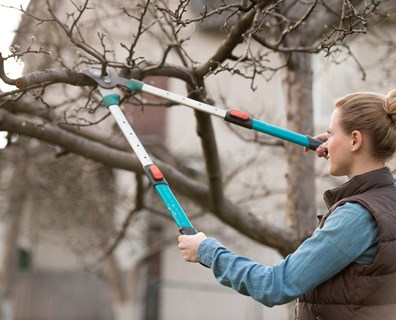
Lopping Shears: For branches up to 11⁄2 inches in diameter, reach for lopping shears. Buy shears with lightweight handles for easy use. Extendable handles let you reach higher branches.

Pruning Saws: For branches more than 11⁄2 inches in diameter, use pruning saws. Coarse teeth cut on the pull stroke for easy and safe pruning.

Pole Pruners: You’ll need pole pruners for branches more than 1 inch thick and beyond arm’s reach. Pole pruners feature a pruning shear head or saw that works via rope action. Look for pruners with a handle that disassembles for easy storage.

Hedge Shears: Use hedge shears for shaping and snipping new growth on shrubs.

Original post here https://ift.tt/3bJqQ9h.


from AAA Tree Lopping Ipswich https://ift.tt/3e3K2AD
via IFTTT

What are the Signs of a Dead Tree?


Written by Jeanne Huber and published on https://www.bobvila.com/.

Trees die, just as other organisms do, and will show some definite signs when they are dying or dead. Deciduous trees, which lose all their leaves each winter, have most signs in common with evergreen trees, which never lose all their leaves at once.

7 Signs Your Tree is Dying—and How to Save It

Know the signs of a dying tree.

Trees are valuable assets to a landscape. Not only do they provide aesthetics, but these towering plants also offer shade and shelter for wildlife and other plants. Sometimes a dying tree is obvious, with its leaves turning brown in the summer or branches riddled with holes from wood-boring pests. But it’s not always clear when trees are in poor health, which can make it difficult to address especially when a dead or dying tree located near a building or home. Broken limbs from a dying tree can cause injuries to people and pets and have the potential to lead to costly repairs if it lands on your home or car. Keep an eye out for these seven signs that you may have a dying tree so you can take care of it before it does damage to your property.

1. The tree has brown and brittle bark or cracks.

As the tree is dying, the bark becomes loose and starts to fall off of a dying tree. The tree may also have vertical cracks or missing bark. “Check for deep splits in the bark that extend into the wood of the tree or internal or external cavities,” advises Matt Schaefer, Certified Arborist of The Davey Tree Expert Company, the largest residential tree care company in North America and the first tree care company in the United States. Cracks often create weakness that can cause damage in storms or other weather events.

2. There are few healthy leaves left.

For deciduous trees, look for branches that lack lush green leaves and show only brown and brittle leaves during the growing season. They will also have dead leaves still clinging well into the winter instead of dropping to the ground. Coniferous evergreens will start to show red, brown or yellow needles or leaves when it’s stressed or dying.

3. The tree has an abundance of dead wood.

A couple of dead branches or dead wood doesn’t necessarily mean you have a dying tree. (Keeping a regular pruning schedule during the dormant season will keep your trees healthy and strong.) However, an increased prevalence of dead wood can indicate that it is a sick or dying tree. “Dead trees and branches can fall at any time,” Schaefer warns. This can potentially be a hazard to you and your home.

4. It’s a host to critters and fungus.

Pests such as bark beetles and carpenter ants live in trees that are under stress or are in the process of dying. These pests prefer to live in dead, weakened, or dying hosts. As for fungal or bacterial infections, look for cankers (discolored areas or depressed places on the bark) or mushrooms growing on the ground at the base of a tree or on the tree itself. These are indications of rot in the roots or trunk. “In time, decay will extend further within the tree leading to structural problems,” Schaefer says.

5. The tree shows signs of root damage.

Since roots run deep underground, determining damage isn’t always easily visible. If you’ve had recent excavation or construction projects near the tree, look out for any changes in the tree’s health since that time that might suggest the roots were damaged in the process. Likewise, if your tree has a shallow and/or partially exposed root system, pay attention to subtle changes that might suggest exposure to extreme elements and poor soil compaction have affected the vitality of the roots. Some signs of root damage include thinning foliage, poor yearly growth, yellow undersized leaves, dead branches, and wilted brown leaves during the growing season.

6. It develops a sudden (or gradual) lean.

“Odd growth patterns may indicate general weakness or structural imbalance,” Schaefer explains. In general, trees that lean at more than 15 degrees from vertical are in indication of wind or root damage. Large trees that have tipped in intense winds seldom recover and will eventually die.

7. The tree fails the scratch test.

Right beneath the dry, outer layer of bark is the cambium layer. If the tree still has life, it will be green; in a dead or dying tree, it is brown and dry. You can use a fingernail or a pocket knife to remove a small strip of exterior bark to check the cambium layer. You may need to repeat the test over several areas of the tree to determine if the whole tree is dead or just a few branches.

Can you save a dying tree?

If your tree is sick or only part of it is dying, you may still be able to save it with the help of an arborist. First, identify the problem: A sick tree will display similar signs as a dying or dead tree but not as widespread. “Although defective trees are dangerous, not all of them need to be removed immediately, and some defects can be treated to prolong the life of the tree,” Schaefer says. Contacting an arborist as soon as you notice any signs of a dying tree will give you a better chance of saving it. An arborist has the training and knowledge required to diagnose and successfully treat tree problems.

Tip: Conducting regular tree care and maintenance such as proper pruning, treating for disease and pests, and fixing structural damage will also help improve your tree’s health.

Still, sometimes, it’s too late to save a dying tree.

Sometimes, there’s nothing you can do to save your tree. Even strong, healthy trees can fall victim to severe weather, disease, or infestation. If the tree is beyond saving, it’s best to remove it if it poses a danger of falling onto people or structures. “Tree risks aren’t always visible or obvious,” Schaefer explains, adding, “advanced analysis, sometimes through the use of specialized arborist tools or techniques, may be necessary.” Consult a certified arborist to determine if your dead tree poses a dangerous situation on your property.

Original post here https://ift.tt/2yBs5J7.


from AAA Tree Lopping Ipswich https://ift.tt/3e3JVVJ
via IFTTT

Do Trees Needs Proper Pruning?


Written by Ben McInerney and published on https://www.gotreequotes.com/.

Pruning is the most common tree maintenance procedure. Although forest trees grow quite well with only nature’s pruning, landscape trees require a higher level of care to maintain their structural integrity and aesthetics. Pruning must be done with an understanding of tree biology. Improper pruning can create lasting damage or even shorten the tree’s life.

Why is tree pruning important?

Everyone seems to have a different philosophy on tree pruning. All types of trees benefit from regular pruning.

Tree pruning is important because
– it encourages new growth
– prevents decay
– makes trees more structurally sound
– Is great for the overall health of trees

The fact that tree pruning makes trees safer and increases aesthetic appeal might not be enough to encourage you to prune your tree, so here are a bunch more reasons why you really need to implement a regular pruning program.

The top reasons you need to prune your trees

Now let’s explore why tree pruning is important-

Ensures health: Pruning keeps your trees healthy. Pruning involves removing dead, infected, and excess branches. Proper pruning also allows more air circulation and sun exposure for healthy growth. This promotes new growth, balance, and structural integrity.

Safety: Dead branches can pose a risk to life and property especially during storms. Trees near power lines are also risky. Pruning helps prevent accidents by removing high-risk branches from your tree.

Encourages fruit production: You can prune fruit trees during late winter to promote more growth in spring and summer. When the tree has less volume to maintain, it can put its excess energy stores into producing more fruit.

Appearance: Overgrown trees and hanging branches can look ugly and bring down the curb appeal of your property. Pruning keeps trees in shape and increases the value and look of your property.

More sunlight: Trees can block the entry of sunlight to your home. By clearing the obstructing branches you can allow more light in and save on power.

Growth control: You can control the growth of your trees through tree pruning. You can make a tree easier to maintain this way. Pruning trees in summer generally limits their growth while pruning in winter leads to robust growth.

Improves view: You can prune the branches blocking the view of your windows, balconies, and skylights.

What should be pruned?

What needs to be pruned depends on your objectives-

● Deadwood – You can remove dead and decaying branches to maintain the health of your tree.
● Crossing Branches – When branches grow inwards towards the canopy instead of out, they tend to rub against other branches in the wind causing the bark to sheer off. This can lead to fungal disease or pest invasion.
● Lower branches – Known as a canopy lift, this is a great place to start if you are looking to increase light.

When should you prune your tree?

The ideal time to prune trees is late winter if you want to ensure robust growth. Winter makes the wounds heal faster and ensure less bleeding of sap as the trees are dormant.

You shouldn’t trim trees during fall as your tree takes more time to recover and can develop fungi or diseases.

It’s best to avoid pruning in summer unless you want to reduce the number of fruits or growth of the tree. Fruits trees are annually pruned during late winter to help them grow more fruits.

Spring-blooming trees can be pruned right after they bloom.

Essentially, it boils down on the type of the tree and why you want to prune. So first decide your objectives and then choose the right time to prune.

That being said, you can carry out minor pruning any time of the year. For example, you can remove dead wood, shape canopy, or prune small branches without worrying if it’s summer or winter.

How often should you trim your tree?

It’s best to consider the type, size, and health of your tree to decide how often to trim. Some trees like evergreens can go as many as 7 years without trimming. On the other hand, it is a practice to trim fruit trees once a year during late winter to increase fruit production.

● As a rule of thumb, young trees should be trimmed typically every 2 to 3 years.
● For mature trees, try to trim them once in at least 3 to 5 years.

Pro tip: To save on the cost of tree trimming, opt to have the work done in winter. You will save a minimum of 20% off the price. This is because tree services are quiet during winter and the whole industry becomes very competitive.

Original post here https://ift.tt/2YQUPZl.


from AAA Tree Lopping Ipswich https://ift.tt/3mv40Ya
via IFTTT

Do’s and Dont’s of Caring a Tree


Written by Pro Tree Service and published on https://www.protreeservice.com/.

Taking Care of a tree is equally challenging as baby care. Like a new-born baby, the tree can’t appraise the issues going on or supposed to go, one has to read its countenance and it requires year’s long study in arboriculture and professional experience. For a passionate homemaker, Backyard and its plantation & lawn are one of the high-interest parts. That is the reason, few people treat themselves as arborists and play with trees and their life as well.

Dos and Don’ts of Tree Care

There’s more to tree care than you probably think. At Pro Tree Service in Chicago, we want to help you keep your trees healthy and beautiful for years to come. It starts with knowing some general dos and don’ts of tree care. 

The Dos of Tree Care

Do prune your trees

Take a close look at your trees. Do you notice any significantly dead, damaged, and/or diseased branches? Are your trees starting to encroach on a nearby property or public-use space? If you answered yes to either of these questions, it’s probably a good time to prune your tree. Just be sure to avoid pruning during the fall, as this maintenance actually stimulates unwanted growth right before winter.

Do look for pests and tree diseases

There are a number of tree pests to look for in Chicago, including the Emerald Ash Borer, Asian Longhorned Beetle, and Gypsy Moth. Trust us when we say that any of these pests can affect the greenery in your yard. That’s why we suggest educating yourself on the signs of a sick tree. The sooner you spot a tree disease or pest and contact a professional, the greater the chance your tree has of bouncing back.

To prevent your tree from getting too close to power lines  

This is a big one. The closer your tree gets to a power line, the likelier you are to lose power during the next bad storm. Put your mind at ease and trim back any limbs that are nearing utility lines or roadways. The last thing you want is for an overgrown tree to cause damage to your home or someone else’s.

Do buy trees that are native to the area      

Keep in mind that trees only thrive in a specific area. So unless you want to throw money away on your yard’s greenery, double-check that the tree you want is native to the region. We even wrote a blog post dedicated to the most popular trees in Chicago for this reason! 

Do call a professional tree service for assistance

Professional tree care companies work to solve even the most complex tree dilemmas. Whether you’re wondering if your tree is sick or needs to be removed, an experienced tree service can help. As we’ll explain more in a bit, you’re better off leaving tree maintenance in the hands of a professional.

The Don’ts of Tree Care

Don’t trim your trees too often  

Many homeowners don’t realize that the constant removal of branches and limbs can shorten the life of some trees. Rather than prune your trees every season, get in the habit of limiting your pruning and trimming to springtime. Doing so stimulates growth at an optimal time.

Don’t do any cleanup after storm damage 

Let’s say that a nasty storm rolls through your neighborhood and knocks down your tree. While your first thought may be to go outside and start cleaning up the mess, your best bet is to get in touch with your insurance company and take pictures of the damage. Pro Tree Service also advises that you leave those storm-damaged trees in the hands of a professional.

Don’t plant trees too close to each other

A tree needs its space to maintain healthy growth over time. If you’re wanting to plant more than one tree in your yard, be sure to give them some space. Trees without healthy root growth might not reach their full potential.

Don’t try to remove a large tree by yourself

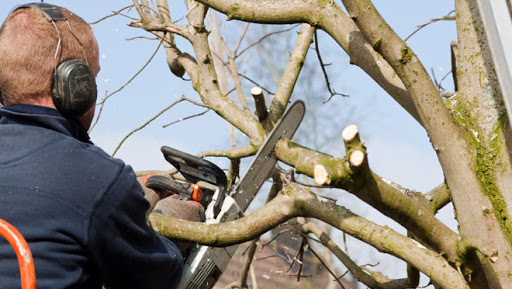
DIY tree removal carries an enormous risk of damage. Yet countless homeowners are seriously injured each year by accidents involving chainsaws, ladders, and other tree removal equipment. So play it safe and call a dependable tree service if you have a large tree that needs to be removed.

Don’t hire just any tree service

Contrary to popular belief, no two tree services are the same. You’ll find during your research that some tree care companies only specialize in tree trimming while others solely focus on tree removal. At Pro Tree Service in Chicago, we do it all, from tree trimming and removal to land clearing and brush removal. 

Original post here https://ift.tt/3igDd0q.


from AAA Tree Lopping Ipswich https://ift.tt/35BnALu
via IFTTT

Importance of Removing That Old Tree Stump


Written by Christine DiMaria and published on https://www.angieslist.com/.

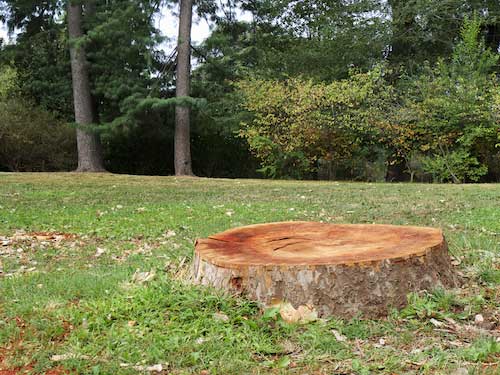
Leaving a stump after a tree has been cut down will leave you with issues of safety and liability, unwanted tree growth, and insect infestation. These are three important reasons to remove the tree stumps in your yard. Another issue with tree stumps is they create an unsightly yard appearance.

6 Reasons Why You Should Remove That Tree Stump

When you hire a professional tree removal service, chances are you will need to decide whether to pay to remove the stump.

Before you have a tree removal specialist cut down the dead tree in your yard, you’ll need to decide whether the worker should remove the tree stump as well. If you’re having a hard time making this judgment call, consider these factors when deciding what to do with the stump. 

1. Stumps aren’t pretty. Aesthetically speaking, the sight of a stump definitely isn’t appealing. If you’re meticulous about your yard and landscaping, removing the stump is well worth it.

2. Stumps are hazardous. Stumps are dangerous to your children. When running and playing in your yard, they may not look for the stump and trip over it. And if a neighbor trips, it’s a liability that falls into your hands. In addition, tree stumps can damage your mower if you accidentally hit one when you’re mowing your lawn.

3. Stumps cause new tree growth. Sometimes leaving the stump behind contributes to new sprouts, which can result in many small trees growing around the stump. This is unsightly to your landscaping and quite costly to try to remove because the new shoots may keep coming back, and you may need chemicals to kill them off completely. These small trees also leech nutrients from other plants located near them, so your begonias may not receive all the nutrients they need.

4. Stumps are a pain to maneuver around. Remaining tree stumps become a nuisance, an obstacle you have to maneuver around when weeding or mowing your lawn.

5. Stumps attract insects. When you leave stumps in your lawn, the decaying tree takes a long time to rot away completely. While it’s decaying, the stump attracts beetles, termites, ants, and other wood-boring pests. You may not mind them in your yard, but they can eventually spread to your home.

6. Stumps take up precious yard space. Especially if you don’t have a very large yard, the space you lose from the stump and roots may occupy a lot of space. Just think: You can use that space for a flowerbed or a picnic table.

Typically, you’ll spend extra money to grind down the stumps, but it just might be well worth it.

Original post here https://ift.tt/31vShB9.


from AAA Tree Lopping Ipswich https://ift.tt/37LyfFZ
via IFTTT