Tuesday, September 13, 2022

How Much Is Tree Service Insurance and What Are the Benefits?

How Much Is Tree Service Insurance and What Are the Benefits?

If you’re considering starting a tree service, one of the first questions you’ll need to answer is how much insurance you’ll need. This type of insurance protects you and your employees from liability in the event of an accident, and it’s an important part of any business.

Tree service insurance is designed to protect homeowners and businesses from financial loss in the event that something goes wrong during a tree removal or trimming project. For example, if a tree service company damages your property while removing a tree, their insurance policy would cover the cost of repairs. Tree service insurance also covers injuries that occur on the job, as well as any damage caused by falling trees or branches.

The Pros of Tree Service Insurance

The biggest pro of tree service insurance is that it protects you from financial loss in the event that something goes wrong during a tree removal or trimming project. If a tree service company damages your property while removing a tree, their insurance policy would cover the cost of repairs. Tree service insurance also covers injuries that occur on the job, as well as any damage caused by falling trees or branches.

Another pro of tree service insurance is that it gives you peace of mind. Knowing that your tree service company is insured will give you confidence that they will take care of any problems that may arise during the course of their work.

The Cons of Tree Service Insurance

One of the potential cons of tree service insurance is that it may be expensive for some companies to purchase coverage. As a result, some companies may choose to work without insurance, which could put you at risk if something goes wrong during their work on your property.

Another potential con is that some companies who are insured may not be as careful as they should be since they know they’re covered financially if something goes wrong. This could lead to shoddy workmanship or even accidents.

Tree service insurance is a vital part of keeping your business safe. Not only does it protect your employees and equipment, but it also covers any damage that might be caused by your work. Here’s a look at how much tree service insurance costs and what benefits it can provide. But how much does tree service insurance cost, and what are the benefits?

How Much Does Tree Service Insurance Cost?

Tree service insurance is a type of liability insurance that covers property damage and personal injuries resulting from tree-related activities. This can include tree removal, trimming, and pruning. If you own a home with trees on your property, it’s a good idea to have some form of tree service insurance in case of an accident. But how much does this type of insurance coverage cost?

The average cost of tree service insurance is $919 per year. However, the price you pay will depend on a number of factors, including the size and type of your business, the number of employees you have, your location, and the amount of coverage you need.

For example, if you have a small tree removal business with just a few employees, you can expect to pay less for your insurance than if you have a large tree trimming company with dozens of employees. The same is true if your business is located in a rural area as opposed to a major city.

Another factor that will affect the price you pay for tree service insurance is the amount of coverage you need. If you only need basic coverage for property damage and personal injuries, you can expect to pay less if you need more comprehensive coverage that includes protection against third-party lawsuits.

The cost of tree service insurance will vary depending on your business’ size, location, and the amount of coverage you need. However, on average, you can expect to pay $919 per year for this type of insurance. If you own a home with trees on your property, it’s a good idea to have some form of tree service insurance in case of an accident.
What Are the Benefits of Tree Service Insurance?

When it comes to tree service, most people only think about the physical risks involved. But there are other risks to consider as well – like financial risks. That’s why tree service insurance is so important. Not only does it protect you from potential liability claims, but it can also save you a lot of money in the long run.

Most people are aware that tree service comes with its fair share of risks. After all, working with heavy machinery and large trees is not for the faint of heart. And while most tree service companies have safety protocols in place to minimize the risks, accidents can still happen. That’s why tree service insurance is so important. It protects you from potential liability claims, and can also save you a lot of money in the long run.

There are two types of tree service insurance: workers’ compensation and liability insurance. Workers’ compensation covers your employees in the event that they are injured while working on your property. Liability insurance, on the other hand, protects you from lawsuits that may arise from damages caused by your employees while they are working on your property. It’s important to have both types of insurance, as they each provide different levels of protection.

One of the biggest benefits of tree service insurance is that it can help you avoid costly lawsuits. If one of your employees damages someone’s property while working on your behalf, you could be sued for thousands of dollars – even if it was an accident. With adequate insurance coverage, your insurer will cover the cost of the lawsuit, saving you from having to pay out of pocket.

Another benefit of tree service insurance is that it can help you attract and retain good employees. In today’s litigious society, many people are hesitant to work for companies that don’t have adequate insurance coverage. By carrying both workers’ compensation and liability insurance, you’ll be able to assure potential employees that they’ll be protected in the event of an accident. This will give you a competitive advantage when recruiting new talent.

Tree service is a risky business – but it doesn’t have to be. By carrying adequate insurance coverage, you can protect yourself from potential liability claims and attract and retain good employees. In the long run, tree service insurance will save you time, money, and peace of mind.

Conclusion:

Tree service insurance is an important part of any business. The cost varies depending on a number of factors, but you can expect to pay anywhere from $500 to $5,000 per year for a policy that provides adequate coverage. There are several benefits to having tree service insurance, including peace of mind, protection for your employees, and protection for your business. In the event of an accident, insurance can help cover medical expenses, lost wages, and property damage. It can also help prevent legal action against your business. If you’re starting a tree service, make sure you get the coverage you need to protect yourself and your business.


from AAA Tree Lopping Ipswich https://ift.tt/VgfKZHM
via IFTTT

Monday, September 12, 2022

What is Tree Crowning and Why Should You Do It?

What is Tree Crowning and Why Should You Do It?

Most people are familiar with the basic tenets of tree care: water, fertilize, and prune. But there’s one important tree care practice that often gets overlooked: tree crowning. In this article, we’ll explain what tree crowning is and why it’s so important for the health of your trees. Keep reading to learn more!

What is Tree Crowning?

If you’ve ever seen a tree that looks like it’s been topiary-ed, then you’ve seen the result of tree crowning. Tree crowning is the process of trimming and shaping a tree’s branches and leaves to create a more aesthetically pleasing appearance. In addition to improving the look of your yard, tree crowning also has several practical benefits. Read on to learn more about the benefits of tree crowning.

Pruning Dead Branches

One of the most important benefits of tree crowning is that it helps to get rid of dead branches. Dead branches can be unsightly, but they can also be dangerous. Dead branches can fall and damage property or injure people. By pruning away dead branches, you can help keep your property and your family safe.

Improving Airflow

Another benefit of tree crowning is that it can help improve airflow around your home. This is especially important in the summer months when you’re trying to keep your home cool. By trimming away some of the branches and leaves, you can allow air to circulate more freely around your home. This will help keep your home cooler and improve your energy efficiency.

Preventing Storm Damage     

Yet another benefit of tree crowning is that it can help prevent storm damage. Overhanging branches can be ripped off in high winds, which can damage your roof or break windows. By trimming away these overhanging branches, you can help protect your home from storm damage.

As you can see, several benefits come with tree crowning. If you’re looking for a way to improve the look of your yard and make it safer at the same time, then tree crowning is a great option for you.

Why Is Tree Crowning Important?

There are several reasons why crowning is so important for the health and well-being of your trees. For starters, it helps to improve the tree’s overall appearance by giving it a more balanced look. Additionally, crowning can also help to increase the amount of sunlight and air circulation that the tree receives. This is important because it can help to prevent mold and mildew from growing on the leaves, as well as pests and diseases.

Another reason why crowning is essential is that it helps to keep the tree strong and stable. When branches are left unchecked, they have a tendency to grow in all different directions. This can cause the tree to become lopsided, making it more susceptible to damage during high winds or storms. By regularly crowning your trees, you can help them stay strong and stable for years to come.

Finally, crowning can also help to prolong the life of your trees by preventing problems before they start. For example, if a branch is starting to grow too close to power lines or your home, trimming it back will help to avoid any potential damage down the road.

As you can see, there are many good reasons why crowning is so important for your trees. If you have trees on your property, be sure to have them crowned regularly to keep them healthy and looking their best.

How Often Should You Crown Your Trees?

The trees in your yard are a vital part of your landscape and play an important role in the health of your property. To keep them looking their best, it’s important to have a regular pruning and maintenance schedule. But how often should you crown your trees?

The crown of a tree is the uppermost portion, made up of the branches and leaves. Properly maintained, the crown should be symmetrical and evenly distributed. Crowning helps to control the shape of the tree, promotes new growth, and prevents damage from wind and storms. Trees that are not regularly crowned can become top-heavy and unstable, posing a danger to your home and property.

How often to crown your trees depends on the type of tree, but as a general rule, most trees should be crowned every 3-5 years. Some trees, such as fruit trees, may need to be crowned more frequently to maintain their shape and produce high-quality fruit. Other factors that will affect how often you need to crown your trees include storm damage, disease, pests, and other injuries.

Conclusion:

Tree crowning is an important but often overlooked part of tree care. By regularly removing dead or diseased branches from the top of your trees, you can improve air circulation within the canopy, encourage new growth, and make your trees safer for yourself and your property. Most trees should be crowned every 3-5 years; however, the frequency with which you need to crown your trees will depend on several factors. If you’re unsure how often you should be crowning your trees, reach out to a certified arborist in your area for expert guidance.


from AAA Tree Lopping Ipswich https://ift.tt/LQk19yc
via IFTTT

Beware of Pruning Too Early!

Beware of Pruning Too Early!

Spring is in the air, and that means it’s time to get out into the garden and start sprucing things up! But before you grab your pruning shears and start hacking away, there are a few things you need to know. Namely, beware of pruning too early!

Pruning is a crucial part of plant maintenance, but timing is everything. If you prune too early in the season, you risk damaging new growth or even killing your plant. So when is the right time to prune? Read on to find out!

What is Pruning?

Many people think that pruning is simply the act of cutting back on plants. However, pruning is a horticultural practice that has many different purposes. When done correctly, pruning can promote plant health, encourage fruiting and flowering, and improve the overall appearance of your plants. Read on to learn more about the different types of pruning and when they should be carried out.

There are four main types of pruning: heading, thinning, shearing, and rejuvenation. Heading cuts are made to remove the tips of branches to encourage the plant to branch out. Thinning cuts are made to remove entire branches to increase air circulation and light penetration. Shearing cuts are made to create a uniform shape or hedge. Rejuvenation cuts are made to remove old or diseased growth to encourage new growth.

Pruning should be carried out in late winter or early spring while the plant is dormant. Heading, thinning, and shearing can be done at any time during the growing season. However, rejuvenation pruning should only be done in late winter or early spring while the plant is dormant. This is because rejuvenation pruning removes a large amount of growth, which can shock the plant if done during the growing season.

Pruning is an important horticultural practice that has many different purposes. When done correctly, pruning can promote plant health, encourage fruiting and flowering, and improve the overall appearance of your plants. There are four main types of pruning: heading, thinning, shearing, and rejuvenation. Pruning should be carried out in late winter or early spring while the plant is dormant.

Why You Shouldn’t Prune Too Early

Pruning too early in the season can be disastrous for your plants. For one thing, winter damage may not be immediately apparent, so you could end up removing perfectly healthy branches. Read on to learn more about why you should wait to prune certain plants and what types of plants fall into this category.

1. Pruning too early can stimulate growth.

You might think that stimulating growth would be a good thing, but in reality, it’s not always what you want. If you prune a plant too early in the season, you might unintentionally stimulate growth when the plant should be focusing its energy on other things. For example, if you prune a plant in early spring, it might start growing new leaves and stems when it should be flower buds. This can cause the plant to produce fewer flowers later on in the season.

2. Pruning too early can make a plant more susceptible to disease and pests.

Pruning a plant too early in the season can also make it more susceptible to disease and pests. This is because when you cut into a plant, you’re creating an open wound. If the plant isn’t fully healed by the time pests and diseases start attacking, it will have a harder time fending them off.

3. Not all plants benefit from being pruned in late winter or early spring.

Contrary to popular belief, not all plants benefit from being pruned in late winter or early spring. In fact, some plants actually suffer from it. Plants that bloom on last year’s wood, for example, should only be pruned after they’ve flowered. Otherwise, you run the risk of cutting off next year’s flowers! So, before you reach for the pruning shears, make sure you know which types of plants benefit from being pruned at which time of year.

As you can see, there are several good reasons to wait until late spring or summer to prune certain types of plants. So next time you’re tempted to get a head start on your gardening chores, resist the urge! Your plants will thank you for it later on in the season.

When Is the Right Time to Prune?

Tree pruning is an important part of maintaining a healthy, attractive landscape. But when is the best time to prune? The answer may surprise you.

Most people think that winter is the best time to prune trees, but that isn’t always the case. In fact, there are three main factors to consider when deciding when to prune your trees: tree type, pruning purpose, and time of year. Here’s a more in-depth look at each of these factors:

Tree Type: The first factor to consider is the type of tree you’re dealing with. Each type of tree has different needs and responds differently to pruning. For example, evergreens should only be pruned in late spring or early summer, while deciduous trees can be safely pruned at any time of year. Not sure what type of tree you have? Check with your local nursery or arborist for more information.

Pruning Purpose: The second factor to consider is the purpose of pruning. Are you trying to shape the tree, remove dead or diseased branches, or promote new growth? The answer to this question will determine how much and where you prune. For example, if you’re trying to shape the tree, you’ll want to make cuts closer to the trunk; if you’re trying to promote new growth, you’ll want to make cuts further out on the branches.

Time of Year: The third and final factor to consider is the time of year. As mentioned above, evergreens should only be pruned in late spring or early summer, while deciduous trees can be safely pruned at any time of year. But there are other considerations as well. For example, if you’re trying to encourage flowering, you’ll want to wait until after the flowers have bloomed; if you’re trying to prevent sap bleeding, you’ll want to wait until late fall or winter.

As you can see, there are a lot of factors to consider when deciding when to prune your trees. But don’t let that discourage you—pruning is an important part of maintaining a healthy landscape. Just take your time, do your research, and ask for help if you need it.

Conclusion:

So next time you’re tempted to head out into the garden with shears in hand, take a step back and make sure it’s the right time of year for pruning! A little patience now will pay off later when your plants are healthy and flourishing.


from AAA Tree Lopping Ipswich https://ift.tt/t8bDXTG
via IFTTT

Thursday, September 8, 2022

How to Identify Root Flare on Trees

How to Identify Root Flare in Trees

Many tree species have flared roots at the base of the trunk. This flare is an important structural component of the tree and helps to anchor the tree in the soil and resist tipping over in strong winds. The root flare also helps to facilitate water and nutrient uptake by the tree’s roots. Unfortunately, many trees are planted too deeply, which can cover up the root flare and cause problems for the tree. In this blog post, we’ll discuss how to identify root flares on trees.

What is Root Flare?

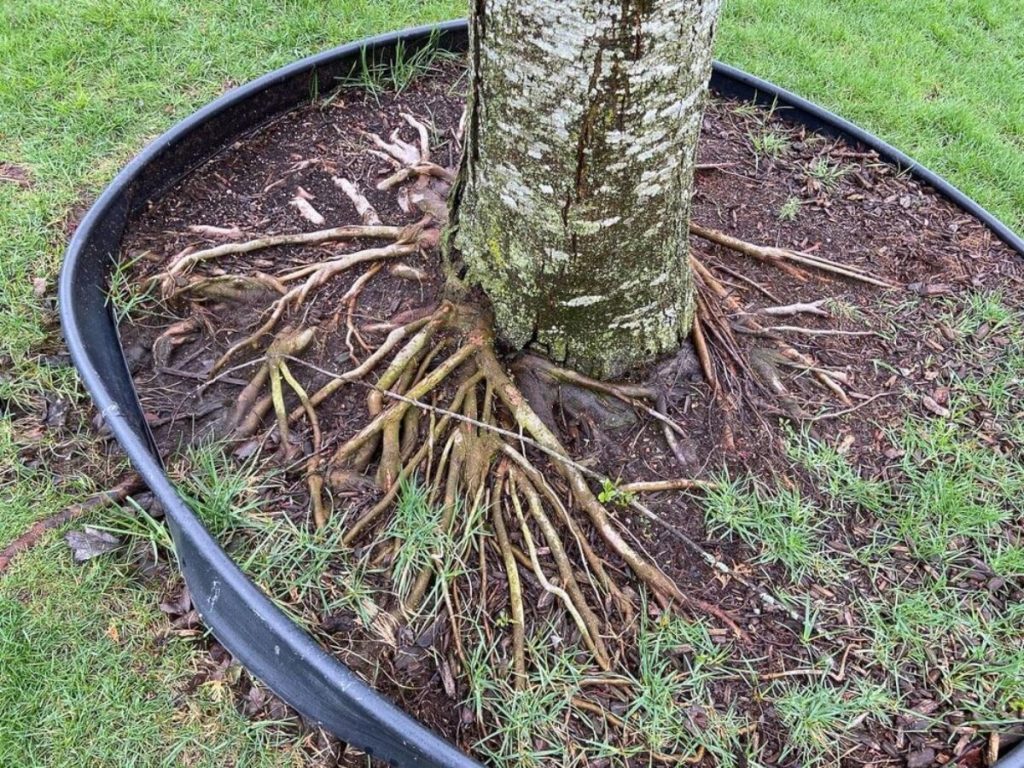
Root flare is the area of a tree’s trunk where the roots begin to spread out from the trunk. The root flare should be visible at ground level when the tree is planted at the correct depth. If the root flare is buried, it can cause problems for the tree, including difficulty taking up water and nutrients, decreased anchorage, and increased susceptibility to wind damage.

How to Identify Root Flare in Trees

There are a few ways that you can identify root flares on trees. One way is to look at the trunk itself. The root flare should be visible as a bulge or swell just above where the roots begin to spread out. Another way to identify root flares is by looking at the tree’s leaves. If the leaves are yellowing or dropping more than normal, it could be a sign that the root flare is buried and the tree is not able to take up enough water and nutrients. Finally, you can try digging around the base of the tree to see if you can expose any of the roots near the trunk. If you can’t find any roots near the trunk, it’s likely that the root flare is buried.

The root flare is an important part of the tree’s anatomy. It helps to support the tree and provides a transition area between the roots and trunk. A tree with an exposed root flare is not only more susceptible to damage, but it can also be a sign of underlying problems. If you think your tree might need a root flare excavation, here are some things to look for.

Signs that a Tree Needs a Root Flare Excavation

The most obvious sign that a tree needs a root flare excavation is if the roots are visible at the base of the tree. This can happen for a number of reasons, including poor planting practices, erosion, or compaction of soil around the base of the tree. If you see roots poking out of the soil, it’s time to call in a professional.

Another sign that your tree might need a root flare excavation is if the tree is leaning. This can be caused by many factors, including pests, disease, or simply inadequate support from the roots. If you see your tree leaning, it’s best to call in a professional arborist to assess the situation and determine if a root flare excavation is necessary.

A third sign that your tree may need a root flare excavation is if the bark is peeling or cracking at the base of the trunk. This can be caused by many factors, including insects, weather damage, or disease. If you see this happening to your tree, it’s best to call in a professional arborist to assess the situation and determine if a root flare excavation is necessary.

Conclusion:

Identifying root flares on trees is important for tree health. If you think that a tree may not have a visible root flare, there are a few things that you can do to check, including looking at the trunk for a bulge or swell just above where the roots begin to spread out, checking for yellowing or dropped leaves, or digging aroundthe base ofthe treeto see if you can expose any roots near the trunk. If you’re still having trouble findingtheroot flare,you can always consult a professional arborist or arborist who will be able to help you determine iftheroot flareis indeed buried. Thanks for reading!


from AAA Tree Lopping Ipswich https://ift.tt/Wfgy9nU
via IFTTT

How to Become a Certified Arborist

How to Become a Certified Arborist

Let’s face it, the trees are big. They can live for centuries, and some species grow to be over 100 feet tall. With all that size comes a lot of responsibility. That’s why there’s a profession dedicated to their care: arboriculture. Arborists are trained professionals who understand the science behind tree growth and pruning. They also know how to spot potential problems, like disease or pests, and take steps to mitigate those risks.

Becoming an arborist is a great way to combine your love of nature with your desire to help others. As a certified arborist, you’ll be able to work with homeowners and businesses to ensure that their trees are healthy and look great. Plus, you’ll have the satisfaction of knowing that you’re helping to preserve some of our planet’s most important resources.

If you’re thinking about becoming an arborist, here’s what you need to know.

Get a Degree in Arboriculture or Forestry

The first step on the road to becoming an arborist is to get a degree in arboriculture or forestry from an accredited university. This will give you the basic knowledge you need about trees and their ecology. Many Arborist companies prefer applicants with at least an Associate’s Degree, but a Bachelor’s Degree will give you a more comprehensive education and make you more competitive for jobs.

Complete an Internship or Apprenticeship

While completing your degree, you should also look for opportunities to gain hands-on experience in the field. Many arborist companies offer internships or apprenticeships for students who are interested in learning more about the profession. These programs can last anywhere from a few weeks to a year, and they’ll give you valuable experience working with trees and clients.

Get Certified

Once you have your degree and some experience under your belt, the next step is to get certified by the International Society of Arboriculture (ISA). To do this, you’ll need to pass an exam that covers topics like tree biology, safety, pruning, and risk management. Once you’re certified, you’ll be able to use the designation “ISA Certified Arborist” after your name. This certification will show potential employers that you’re serious about your career and that you have the skills they’re looking for.

Stay Up-To-Date on Industry Trends

The field of arboriculture is always changing as new research is published and new technologies are developed. To be successful in this career, it’s important to stay up-to-date on industry trends so that you can provide the best possible service to your clients. One way to do this is by joining professional organizations like the ISA or the American Society of Consulting Arborists (ASCA). These organizations offer continuing education opportunities that will help you learn about new developments in the field of arboriculture .

 Finding a Job

Once you have your degree, experience, and certification , it’s time to start looking for a job . You can search for open positions on job boards or websites like Indeed , Glassdoor , or Craigslist . You can also reach out directly to companies that interest you and inquire about open positions. When applying for jobs, be sure to highlight your education , experience , and certifications on your resume so that potential employers can see that you’re qualified for the position.

Conclusion:

Becoming a certified tree arborist is a great way to start a career in an industry that’s both rewarding and necessary. Trees play an important role in our ecosystem and our economy, so there’s always going to be a demand for qualified professionals. And with the right training and certification, you can be one of them!


from AAA Tree Lopping Ipswich https://ift.tt/QpyBgrN
via IFTTT

Wednesday, September 7, 2022

When to Transplant a Tree

When to Transplant a Tree

Many homeowners find themselves with a tree that has outgrown its planting spot. Maybe the tree was too small when it was originally planted, or maybe it’s just grown faster than anticipated. Whatever the case may be, if you have a tree that needs to be transplanted, when is the best time to do it?

Are you thinking about transplanting a tree on your property? If so, you’re not alone. Many homeowners choose to transplant trees for a variety of reasons, including improving the look of their landscaping, increasing privacy, and creating a windbreak.

No matter why you’re considering transplanting a tree, it’s important to know that timing is everything. The best time to transplant a tree is in the fall or winter when the tree is dormant. This is because transpiring leaves require less water during these months, making it easier for the tree to adjust to its new location.

Additionally, deciduous trees are less likely to suffer from transplant shock when they are moved during the dormant season. Evergreens, on the other hand, can be transplanted at any time of year. Keep reading to learn more about the best time to transplant a tree.

Have you ever walked through your neighborhood and noticed a tree that seems out of place? It might be too close to the house, crowding the sidewalk, or competing with other plants in the garden. In these cases, tree transplanting is a great option. Transplanting allows you to move the tree to a more suitable location, giving it room to grow and thrive. But when is the best time to transplant a tree? Read on to find out.

When to transplant a tree?

The best time to transplant a trees vary depending on the species of tree, but there are a few general guidelines that apply to all trees. For deciduous trees (trees that lose their leaves in winter), the best time to transplant is during the late fall or early winter, when the tree is dormant. This is because cooler temperatures help reduce stress on the tree, giving it a better chance of surviving the transplant. Evergreen trees (trees that keep their leaves all year) can be transplanted at any time of year, although spring or early summer is best. This allows the tree to establish its roots before winter sets in.

When choosing a transplant site, make sure it’s large enough to accommodate the adult size of the tree. The hole should be twice as wide as the root ball and just deep enough so that the tree is at the same level it was previously growing. Once you’ve transplanted the tree, water it deeply and regularly for the first few months. After that, continue to water it during dry periods. With proper care, your tree will soon take root in its new home and begin thriving.

Why Fall and Winter are the Best Times to Transplant a Tree

As we just mentioned, the best time to transplant a tree is in the fall or winter when the tree is dormant. This is because transpiring leaves requires less water during these months, making it easier for the tree to adjust to its new location.

Additionally, deciduous trees are less likely to suffer from transplant shock when they are moved during the dormant season. Evergreens, on the other hand, can be transplanted at any time of year. Keep reading to learn more about the best time by which you should transplant your particular type of tree.

The Case for Transplanting in Fall vs. Winter      

While both fall and winter have their advantages when it comes to transplanting trees, some experts believe that fall is actually the slightly better option—for two primary reasons. First of all, temperatures during this time of year are milder than they are in winter, which can make it easier on both you and your tree. Secondly, there tends to be more rain in fall than winter (at least in most parts of North America), which can help keep your newly transplanted tree hydrated as it adjusts to its new home.

Some tips for transplanting a tree during the growing season:

-Choose a cool, cloudy day for transplanting.

-Water the tree well the day before you plan to transplant it.

-Dig a large hole at the new location, wide enough so that you can easily spread out the roots of the tree.

-Carefully remove the tree from its current location, taking care not to damage the roots

-Place the tree in the hole at the new location and backfill with soil, tamping it down gently as you go.

-Water the tree well after transplanting.

How to transplant a tree?

One of the most important things to consider before transplanting a tree is the type of tree it is. Different types of trees have different root systems, which means they respond differently to being transplanted. For example, deciduous trees (trees that lose their leaves in winter) are best transplanted in late fall or early winter, while evergreen trees (trees that keep their leaves all year) are best transplanted in early spring.

Another thing to consider is the size of the tree. A small tree can typically be transplanted more easily than a large one. This is because a small tree’s root system won’t be as extensive, so there will be less damage to the roots when the tree is moved. Additionally, small trees are easier todig up and replant than large ones.

If you’re planning on transplanting a tree yourself, you’ll also need to take into account the amount of time and effort it will take. Transplanting a large tree is a big job, and it’s not something that should be undertaken lightly. If you’re not sure you can handle it, it’s best to hire a professional who has experience transplanting trees.

Conclusion:

If you follow these guidelines, you will be more likely to have success when transplanting a tree. Keep in mind that even with the best care, some trees do not survive being transplanted. If you are not confident in your ability to transplant a tree, it is always best to hire a professional who can do it for you

Whenever possible, it’s best to transplant trees in fall. However, if that’s not possible, spring is also a good option. Early spring should be avoided if at all possible, as that’s when new growth begins and the roots are more fragile. If you have any questions about transplanting your tree, please don’t hesitate to contact us! We would be more than happy to help.


from AAA Tree Lopping Ipswich https://ift.tt/5fveuFI
via IFTTT

Can You Transplant Established Trees?

Can You Transplant Established Trees?

Many people are under the impression that trees, once they are established, cannot be moved. This is simply not the case. With the right tools and know-how, transplanting an established tree is entirely possible. Of course, it’s not always easy, which is why we’ve put together this helpful guide. Keep reading to learn everything you need to know about transplanting established trees!

Why Would You Transplant an Established Tree?

There are a number of reasons why you might need or want to transplant an established tree. Perhaps you’re looking to add some greenery to your property but don’t have the space for a new tree. Or maybe you’ve recently purchased a home and inherited a tree that’s too close to the house for your liking. Whatever the reason, it’s important to understand that transplanting an established tree is a big job. Not only do you have to dig up the tree, but you also have to replant it in a new location and make sure that it has all the necessary nutrients to continue growing and thriving.

Before You Transplant…

Before you even think about transplanting an established tree, there are a few things you need to take into consideration. First of all, how large is the tree? The size of the tree will play a big role in how difficult it will be to transplant. If the tree is small enough, you might be able to move it yourself. However, if it’s larger than 15 feet tall, you’ll probably need to hire a professional tree service to help with the job.

Another thing you need to think about before transplanting an established tree is its root structure. A healthy root system is vital for the successful transplant of any tree, so make sure that the roots are in good shape before proceeding with the move. Once you’ve determined that the roots are healthy and strong enough for transplanting, you can begin digging them up. This is usually done using a Bobcat or other type of excavator equipped with a bucket or teeth attachment.

The Preparation Process

The first step in transplanting an established tree is to assess the tree and its current location. This will help you determine if transplanting the tree is actually feasible. Some factors that you will need to consider include the size of the tree, the type of soil it is currently growing in, and the condition of the roots. Once you have determined that transplanting the tree is indeed possible, you will need to prepare both the tree and its new location.

For the tree itself, you will need to prune back any branches that extend beyond the root ball. This will help make transplanting easier and will also reduce stress on the roots. You should also water the tree well a few days before transplanting to help soften the ground and make digging easier. As for the new location, you will need to dig a hole that is twice as wide as the root ball and just as deep. Once you have done this, you should mix some compost or manure into the hole to help provide nutrients for the roots.

Transplanting an established tree can be a difficult and time-consuming process, but it is definitely possible with the right preparation. By taking the time to assess the tree and its current location, prepare both the tree and its new location, and transplant it carefully, you can ensure that your tree will take well to its new home.

The Benefits of Transplanting an Established Tree

There are a few benefits that come along with transplanting an established tree:

  • Giving the tree a new lease on life: If the tree is struggling in its current location, transplanting it to a new spot can give it the fresh start it needs.
  • Rejuvenation: Established trees can become less vigorous over time. Transplanting can give them the boost they need to start growing vigorously again.
  • Improving the landscape: If you’re not happy with how your landscape looks, transplanting an established tree can be a great way to improve it.

Of course, there are also a few challenges that come along with transplanting an established tree. These challenges include:

  • Finding a new location: If you’re going to transplant an established tree, you need to make sure you have a good location for it. The new location should have rich, friable soil and plenty of room for the roots to spread out.
  • Digging the hole: When you’re transplanting an established tree, you need to dig a hole that’s large enough to accommodate all of the roots. This can be challenging, especially if the roots are spread out far from the trunk of the tree.
  • Watering: Water is essential for any transplanted tree – but it’s especially important for an established tree. Make sure you water your transplanted tree regularly and deeply until it becomes established in its new location.

Conclusion:

Transplanting an established tree may seem like a daunting task, but with a little planning and effort, it can be done! Just remember to take your time; rushing through any part of the process could lead to problems down the road. Now that you know all there is to know about transplanting established trees, what are you waiting for? Get out there and start digging!


from AAA Tree Lopping Ipswich https://ift.tt/fcPz5kC
via IFTTT