Thursday, October 20, 2022

Is It Better To Trim A Tree Or Cut It Down?

As any gardener knows, soil is essential for growing healthy plants. Not only does it provide nutrients and support for roots, but it also helps to regulate moisture levels and prevent weed growth. However, soil can also be quickly eroded by wind and water, damaging plant life and making it difficult for new seedlings to take root. One way to help prevent soil erosion is to maintain a healthy lawn. Grassroots help to hold the soil in place, and the dense network of blades helps to deflect wind and water. In addition, lawns help to slow down the flow of rainwater, giving the ground a chance to absorb the water before it runs off. As a result, a well-tended lawn can play an essential role in preventing soil erosion.

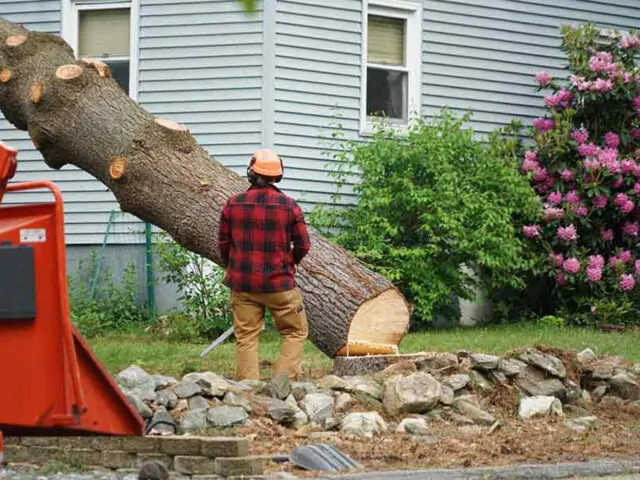
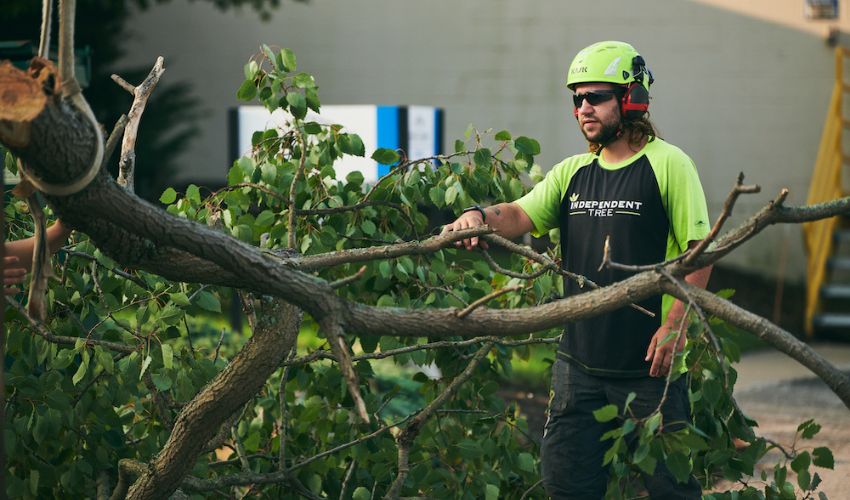
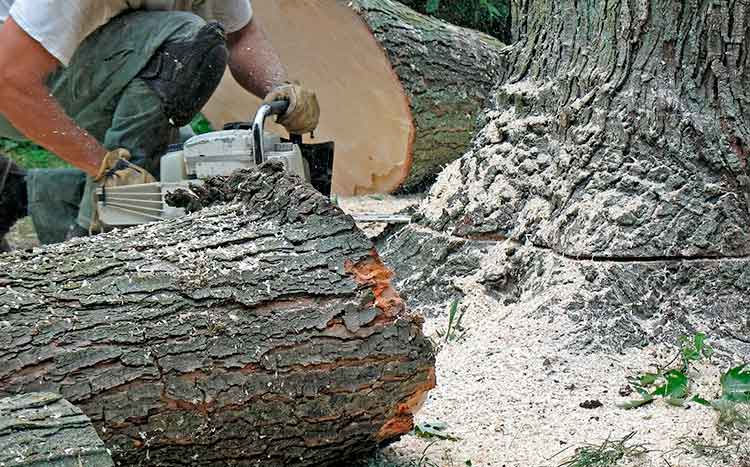
There is no one-size-fits-all answer to the question of whether it is better to trim a tree or cut it down. The best option will depend on the specific circumstances and the individual tree in question. For instance, if a tree is diseased or posing a safety hazard, it may be necessary to remove it entirely. On the other hand, regularly scheduled trimming can help maintain the health and shape of a tree, potentially extending its lifespan.

In some cases, trimming can also improve the aesthetics of a landscape. Pruning can encourage new growth and reduce excess foliage, giving a more balanced appearance to the tree’s canopy. However, excessive trimming can harm a tree and should be avoided. It is important to work with an experienced arborist who can properly assess and care for your trees.

When making decisions about trimming or removing trees, it is also important to consider any potential impact on wildlife that may rely on the tree for habitat or food sources. Ultimately, each situation will require careful consideration and professional advice in order to make the best decision for the health and wellbeing of the tree and its surroundings.

How often should trees be trimmed?
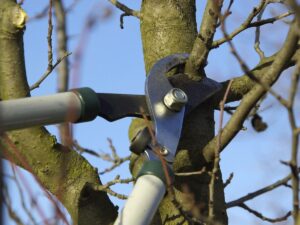
Pruning Trees - Three General RulesThere is no set answer to how often trees should be trimmed, as it ultimately depends on the species and specific needs of the tree. Some trees may only need trimming every few years, while others may require annual pruning or even multiple prunings throughout the year.

Factors to consider when determining how often to trim a tree include its growth rate, health, and location. Fast-growing trees may need more frequent trimming to keep them in shape and prevent branches from becoming weak or hazardous. Trees in poor health may also benefit from regular trimming to remove diseased or dead branches. Additionally, trees located near power lines or structures may need more frequent trimming for safety purposes.

It’s also important to note that there are different types of trimming techniques for different reasons – some involve removing certain branches to improve a tree’s overall structure and appearance, while others involve thinning out dense areas to increase sunlight and air circulation. A certified arborist can assess a tree’s needs and determine an appropriate trimming schedule.

In general, it’s best to err on the side of caution and trim your trees before they become overgrown or pose a potential hazard. Regularly scheduled trimmings can also promote healthy growth and prolong a tree’s lifespan.

Do tree roots stop growing when tree is trimmed?

This is a common question that we get here at the nursery. The answer is, unfortunately, it depends. Some trees, like maples, have what are called “suckering roots.” These are roots that grow from the main root system and come up above ground. When these roots are cut, they will often continue to grow. Other trees, like oaks, have what are called “taproots.” Taproots grow straight down into the ground and can be quite large. When these roots are cut, they will often die. So, if you are thinking about trimming your tree, be sure to do your research first to find out whether or not it has taproots or suckering roots.

It is a common misconception that trimming a tree will stop its roots from growing. In reality, trimming a tree does not have any direct effect on the growth of its roots. Tree roots continue to grow and spread in search of water and nutrients, regardless of how much the tree itself is trimmed. In fact, regularly trimming and pruning a tree can actually promote healthy root growth by allowing more sunlight and air to reach the roots.

However, it is important to note that excessive or improper pruning can damage or even kill tree roots. This can lead to weakened trees and potential hazards such as toppled branches or fallen trees. When trimming or pruning a tree, it is important to do so with care and according to proper techniques. Consulting a professional arborist may be helpful in ensuring the health and safety of both the tree and its roots.

What is the difference between tree trimming and pruning?

Tree trimming refers to the removal of dead or overgrown branches, as well as those that may potentially cause damage to property or power lines. This type of maintenance helps maintain the overall shape and health of the tree.

Pruning, on the other hand, is a more precise practice that involves selectively removing certain branches to encourage growth and enhance the tree’s structure and appearance. Pruning is often done for aesthetic purposes, but can also improve a tree’s health and fruit production.

It is important to differentiate between trimming and pruning because they require different techniques and equipment. Improper pruning can permanently damage a tree, so it is best left to trained professionals. Overall, both trimming and pruning play important roles in maintaining the health and appearance of trees. Regular maintenance can also potentially prevent larger issues in the future, such as damaged property or fallen branches.

Do trees grow back after trimming?

It depends on the type of tree and how it was trimmed. Certain types of trees, like conifers, will continue to grow new branches even after heavy pruning. However, if a tree is improperly or excessively trimmed, it can result in damage that may prevent new growth from occurring.

In general, properly trimming a tree can actually promote new growth and improve its overall health. Removing dead or diseased branches allows the tree to direct more energy towards healthy growth. However, it is important to research proper trimming techniques for the specific type of tree and consult with a professional arborist if necessary.

Overall, trees are resilient and have the ability to regrow after trimming as long as they are not severely damaged in the process. Proper trimming can even benefit a tree’s growth and health in the long run.

What happens if you over trim a tree?
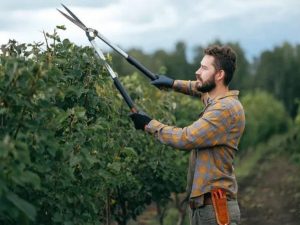
Why Should You Hire A Professional For Tree Care

If a tree is over-trimmed, it can potentially cause damage or even death to the tree. When too much foliage is removed, the tree’s ability to produce food through photosynthesis is hindered, leading to weakened growth and health. In addition, over-trimming can create an imbalanced structure and make the tree more susceptible to breaking or falling during storms.

Another issue with over-trimming is the removal of protective branches. Trees naturally have branches that grow in a downward direction to shield the trunk from harsh weather conditions or animal activity. Without these branches, the exposed trunk can become vulnerable and subject to damage.

It’s important to note that not all trees respond well to trimming in general. Certain species, such as oak trees, should only be trimmed during their dormant season in order to avoid infection and decay. It’s best to consult a professional arborist before undertaking any trimming tasks on your trees.

The key takeaway here is to not go overboard with trimming your trees. Prune only what is necessary for safety or aesthetic purposes and always follow proper guidelines for each specific species of tree. A little bit of careful trimming can promote healthy growth for your trees, but over-trimming can have detrimental effects on their well-being.

How do you properly trim a tree?

How do you properly trim a tree? Any gardener or arborist will tell you that there are certain ways to go about it to avoid damaging the tree.

First, it is important to assess the condition of the tree and determine if trimming is necessary. If there are dead or diseased branches, they should be removed to promote the health and growth of the rest of the tree. Branches that are dead, diseased, or rub against each other should be removed.

Next, it is important to consider the natural shape and form of the tree while planning which branches to trim or remove. Aim for a balanced structure and avoid cutting too much at once. You should always cut branches so that they fall away from the trunk of the tree. This will prevent the bark from being ripped off and reduce the chances of the branch splitting.

Finally, you need to make sure that your cuts are clean and sharp. Using a dull saw can damage the bark and lead to an uneven cut. With these tips in mind, you can safely and effectively trim your tree.

When trimming, use sharp, clean tools and make sure to make smooth cuts at a slight angle just above a bud or branch collar. Avoid leaving stubs as these can lead to decay and attract pests. In addition, consider any surrounding obstacles such as power lines or buildings when trimming branches. Finally, regularly monitor and maintain the tree by removing any new dead or damaged branches as necessary.


from AAA Tree Lopping Ipswich https://ift.tt/baLGHqi
via IFTTT

What Is The Importance of Land Clearing?

Clearing land is important for many reasons. For starters, it can reduce pest infestations. Mosquitoes thrive in areas with dense vegetation because of the water and shelter that trees provide. Dead trees also attract termites and squirrels, which could pose problems if they nest in the area. Clearing away dead trees will also help prevent future nesting problems for these animals and others.

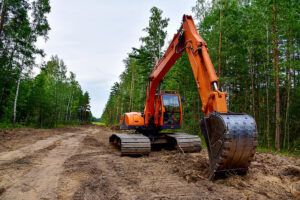
Land clearing is the process of removing trees, shrubs, and other vegetation from an area of land. It is often done in preparation for development or farming. While land clearing can have some negative environmental consequences, it can also be beneficial in certain circumstances. For example, land clearing can help to prevent soil erosion and reduce the risk of wildfires. In addition, it can make it easier to identify and remove invasive species. When done carefully and with consideration for the local ecosystem, land clearing can be an important tool for protecting the environment.

What are two methods of land clearing?

Land clearing is a necessary process that can be done by either a private individual or a company. It is usually done to prepare land for cultivation or property development. Land clearing involves the removal of unwanted materials and structures. Some types of land clearing have many environmental benefits. Trees, bushes, and other debris on the land can interfere with construction operations.

One method of land clearing involves the use of chemicals. These are commonly used to kill weeds and plants. These methods are effective, but come with several risks. For example, they can create huge holes that can be difficult to fill. They may also allow invasive species to establish. These plants are difficult to remove once they have established themselves.

Another method involves burning and cutting down trees. This process involves lighting a controlled fire and burning trees and other materials in a specific area. Afterwards, the stumps are removed with heavy machinery. This method is not suitable for every land clearing project. It can cause fires and pose other risks. A more environmentally-friendly option is cutting and grinding. This method involves cutting down trees to their stumps. Afterwards, they are ground into mulch or pulled out by bulldozers.

How much does it cost to clear an acre of forested Land?

The cost to clear an acre of foreboding land varies depending on a few factors. The size of the land, its location, and its current condition all affect how much it will cost. If the land is densely forested, clearing can be more expensive. In such cases, you should consider hiring a tree service. The cost of removing trees may be offset by the value of the cleared land.

If you plan on clearing a lightly-forested lot yourself, you can expect to pay between $1500 and $3,000 for an acre of forested land. However, if you’re planning on clearing heavily-forested land, the cost could rise to as high as $6,000 per acre. It’s important to note that these costs don’t include the cost of leveling and grading the land afterwards.

Clearing wooded land requires a lot of labor and heavy equipment. However, it is much cheaper to clear bushy land because you don’t need to remove the trees. Depending on the size of the project, you’ll need to hire a crew of a tree service. The cost will vary from about $500 per acre to $5,000 per acre, but remember that clearing wooded land requires clearing trees and stumps.

What are the factors affecting land clearing?

Land clearing can have a large impact on the environment and wildlife. It increases the amount of carbon dioxide in the atmosphere, which contributes to climate change. Leaving the forest in its natural state also prevents soil erosion, a significant contributor to pollution and a threat to flooding. Animals that inhabit the land often avoid land cleared for development as it damages their habitats.

The location of the land is a major factor that affects the cost of land clearing. Land in areas that are difficult to access tends to take longer to clear. By contrast, plots that are located near an easy road may take less time. The cost of land clearing is also affected by the disposal of debris, trees, and rocks.

Habitat loss is another important concern. Clearing land affects a variety of animals and plant species, from frogs to jaguars. As a result, these animals suffer, resulting in decreased populations.

What are the disadvantages of land clearing?

Land clearing is the process of removing trees, shrubs, and other vegetation from an area of land. It is often necessary in order to make way for new construction projects, or to prepare an area for farming or ranching. However, land clearing can also have a number of negative consequences. One of the most significant disadvantages is the loss of habitat for wildlife. Clearing land can destroy homes for many different types of animals, and can disrupt entire ecosystems.

Some of the disadvantages of land clearing include loss of habitat for indigenous plant and animal species, increased soil erosion, and disruption of the natural water cycle. Clearing land can also contribute to increased carbon emissions and climate change.

In removing vegetation, natural habitats are destroyed and animals may be forced to relocate or even become extinct. The destruction of these habitats can also negatively impact surrounding ecosystems and lead to a loss of biodiversity.

Clearing land can also result in increased soil erosion due to the removal of plants that help hold soil in place. This can lead to degraded soil quality and decreased agricultural productivity. In addition, clearing vegetation can disrupt the natural water cycle by reducing evapotranspiration and altering runoff patterns.

Clearing land often involves burning vegetation, which releases carbon dioxide and other greenhouse gases into the atmosphere and contributes to climate change. It can also lead to air pollution and health problems for nearby communities.

In sum, while clearing land may have some benefits such as creating space for agriculture or development, it should be carefully considered in light of its potential negative impacts on the environment and surrounding ecosystems.

What is the Difference Between Land Clearing and Deforestation?

Land clearing can affect wildlife, rivers, and coastal ecosystems. It can result in increased runoff of pollutants and erosion. This can contribute to toxic algae outbreaks. It can also fragment habitats, making populations more vulnerable to other threats. In addition, land clearing can contribute to global warming.

Deforestation occurs when humans cut down forested areas to make way for agriculture or grazing. According to the Union of Concerned Scientists (UCS), deforestation mainly occurs in tropical countries, and the four major crops responsible are beef, soy, palm oil, and wood products. The UCS estimates that more than 1.3 million square km of forest are lost each year because of deforestation.

Although the two forms of deforestation have different effects, the similarities between land clearing and deforestation are alarming. In fact, deforestation rates in some countries have decreased as a result of stricter legislation. Furthermore, landholders have continued to clear vegetation in cleared areas, increasing the risk of land degradation and biodiversity loss.

Forests are important habitats for all animals and plants. However, humans are destroying them at alarming rates. They are being cleared for farming and grazing, and to extract wood for fuel and manufacturing.

Does clearing land make it more valuable?

Clearing land can potentially make it more valuable, as it opens up the potential for development and use. However, there are also potential downsides to clearing land, including loss of natural habitats and resources, and potential negative impacts on the surrounding environment.
In some cases, clearing land can make it more desirable for buyers or developers looking for a blank canvas to build on. It can also increase access to the land and make it easier to utilize for agricultural or other purposes.

However, clearing land can also have negative consequences. The loss of natural habitat can lead to loss of biodiversity and harm to animal populations. Clearing forests can also have a negative impact on air quality and contribute to climate change. Cleared land is also often less resilient to natural disasters such as wildfires and floods.

There are also ethical considerations related to clearing land, specifically when it involves displacing Indigenous communities or demolishing historically or culturally significant sites.

Ultimately, the value of cleared land depends on the specific circumstances and priorities involved. Some may see cleared land as an opportunity for development and profit, while others may view it as a loss of valuable resources and harm to the environment.


from AAA Tree Lopping Ipswich https://ift.tt/Tsky78R
via IFTTT

Sunday, October 9, 2022

What Type of Arborist Makes the Most Money?

The salary of an arborist varies from state to state. Some states have higher salaries than others. There are also different levels of arborists. Read on to learn more about the different types and their salaries. In general, arborists make around the same wage, but you can earn more in some states than others.

Where do arborists get paid the most?

There are many different ways to make a living as an arborist, and salaries can vary greatly by location. For instance, salaries in large metropolitan areas are generally higher than those in rural areas. However, it is important to note that even in large metropolitan areas, salaries can vary widely depending on where you work and the cost of living.

If you are interested in a career in arboriculture, you will need to be passionate about the outdoors. You must enjoy challenging tasks and working with others. Many arborists enjoyed climbing trees as children. You will also need to be well-trained, since the job requires a lot of knowledge about different types of trees and plants. Luckily, there are several schools that can help you obtain your arborist training.

While most arborists are self-employed, you can get experience working with trees by working for a tree service company. An entry-level position is a groundsperson, but you can also work as an arborist representative. Arborists can also work for municipalities or utilities.

What is the highest level arborist?

What is the highest level arborist?

There are several levels of arborist certification. The highest level is called Certified Arborist. This credential is earned after completing a two-day course and completing an assessment exam. The course is mandatory for all Certified Arborists, and a qualified risk assessor must retake the course and exam every five years.

An ISA Certified Arborist can go on to earn the Advanced Arborist credential. This credential requires additional education and experience, as well as passing an extensive exam. This exam tests a certified arborist’s knowledge of arboriculture and tree care. Those who earn this credential are highly qualified for tree-related jobs and are considered the highest level of arborist.

There are several entry-level jobs for arborists. Internships and shadowing arborists are also good ways to gain experience. A beginning arborist may work under a team leader, performing hard labor and climbing trees. This on-the-job training will improve his or her knowledge base and ability to identify different trees.

A certified arborist is a trained professional with credentials and a code of ethics. They understand customer needs and offer a wide range of services.

What state do arborists make the most in?

An arborist’s salary can range from $30,180 to $60,760 a year, depending on their location. Most of these arborists work for the electric power industry, which pays $53,650 on average for arborists in this field. While many arborists work in residential or commercial settings, those who work for the federal government earn the highest wages, at $63,710 a year. Arborists who work for local government agencies make on average $55,840 per year.

Salaries for arborists can vary depending on their location, but generally speaking, the larger the metro area, the higher the salary. This is because salaries for arborists tend to be higher in big cities and in states with high costs of living. Although most arborists do not need a college degree, some employers require it. Arborists may also have to be certified in horticulture or a related field to increase their earning potential.

There is a big demand for arborists. They help maintain existing trees, and are paid an average of $24 an hour. In addition to being in demand, arborists can expect their salary to increase over the years.

Can you make a living as an arborist?

Can you make a living as an arborist?

An arborist’s job is a challenging and exciting one, and it can also give you the opportunity to work outdoors. Arborists spend most of their time outside, so they will need to be physically fit. Arborists must also have at least a high school education, although some work without a college degree. However, if you are planning to pursue a career as an arborist, getting a college degree may give you a competitive edge in the job market.

An arborist is an expert in trees, shrubs, and other plants. They can perform tree surgery, diagnose and treat tree diseases, and control pests. They also prune, maintain, and remove trees. They can also provide advice for homeowners on how to properly care for their trees.

In general, the median salary for arborists is $16 per hour or $33,000 annually. However, top-tier arborists can earn as much as $54,000 a year. The salary of arborists can increase considerably when they open their own businesses.

Is arborist a good career?

Is arborist a good career?

An arborist specializes in the maintenance and care of trees and shrubs. They perform pruning and tree removal to prevent damage to property or power lines. They can also help improve the look of trees and plants by identifying diseased or unhealthy ones. There are many different types of arborist jobs, from working for homeowners to consulting with lawyers, insurance firms, and architects.

This career is ideal for those who enjoy the outdoors. The job requires both a strong mental foresight and physical exertion in changing weather conditions. You may need to climb trees, perform tree pruning, and deal with different types of trees. However, it may be an excellent choice for those who enjoy a challenge and a variety of tasks.

As an arborist, you would be responsible for identifying and removing diseased and unhealthy trees. You would also ensure that trees are able to provide adequate support for the structure of the building. You would also be responsible for the safety of those around you.

What is the difference between an Arborist and a forester?

Trees are a vital part of your home and yard, and it’s important to hire a certified arborist for the job. An ISA-certified arborist is trained and certified in tree care and can give you the best recommendations for your home or yard. While many tree service companies claim to be experts, they might not have the required education and certification to be ISA certified. The only way to ensure that you’re hiring a professional is to make sure they are ISA-certified arborists.

A certified arborist will remove dead, dying, and diseased branches. An arborist will also do crown thinning to open up the tree’s foliage and reduce the weight of heavy limbs. The process will also keep the tree’s natural shape. In general, an arborist will remove about 20% of the tree’s live foliage.

Tree frogs differ from pond frogs in their ability to climb. While pond frogs are built for swimming, tree frogs have sticky pads on their toes and are best suited for climbing. The White’s tree frog is a good example of this type of frog.


from AAA Tree Lopping Ipswich https://ift.tt/lwypHKW
via IFTTT

Pruning Trees – Three General Rules

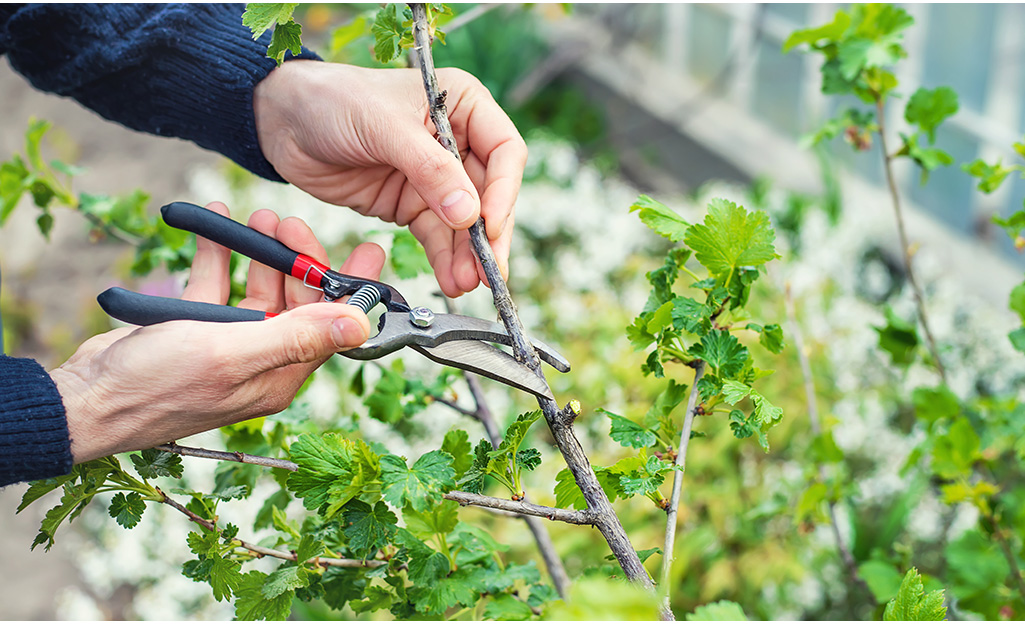
When pruning a tree, there are several important rules to follow. For instance, you should cut back the branches only 1/4 inch above a vigorous branch or bud. Avoid leaving a stub at the end of the cut as this will make it harder to seal the wound.

What are the general rules in pruning?

When pruning a tree, it is important to follow certain general rules to avoid damage to the tree and to encourage new growth. Generally, you should never cut off more than one-third of a tree’s crown in a single year. The age of the plant should also be considered when pruning. Young, healthy trees can tolerate 50 percent pruning, while older, healthy trees can withstand up to 25 percent pruning.

The general rule of tree pruning is that you should keep the top a minimum of two thirds of its height, and keep branches at least two thirds of their length. This prevents the branches from chafing against the central stem, which can cause the plant to rot or develop fungal diseases.

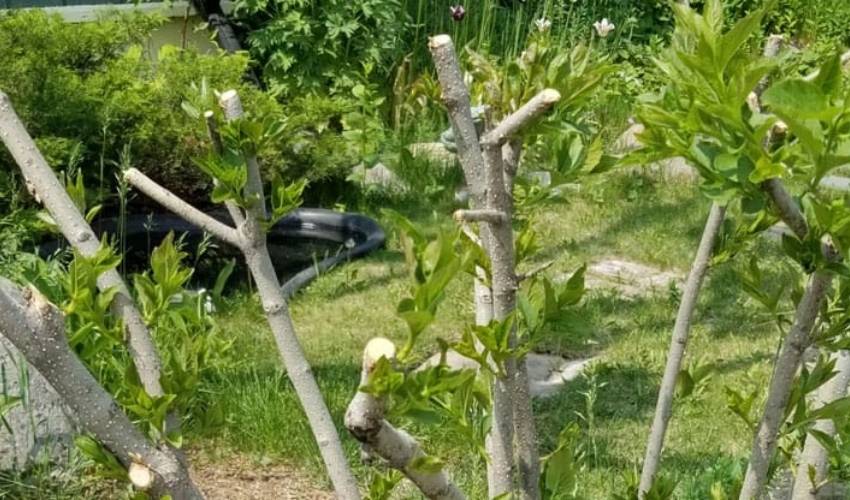
Pruning a tree is a delicate process that must be done with care. Remember that the tree is a living organism, so you should always be precise when making the cuts. A more accurate cut will heal faster and cause less decay in the tree.

What is the three cut method of pruning?

What is the three cut method of pruning?

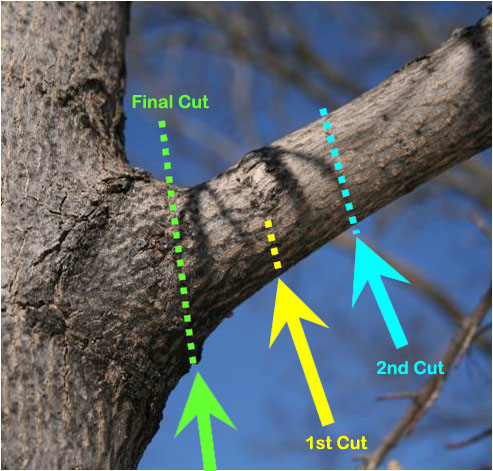
A three cut method of tree pruning can be used to reduce the size of a tree. By making three cuts, you can minimize the risk of damaging the branches’ bark ridge or collar. The collar is a raised ring of tissue at the underside of a branch. The ridge is an extension of the tree’s crotch.

The three cut method was developed by Alex Shigo, a professor and arborist who worked for the United States Forest Service. He studied tree biology and pioneered new concepts in arboriculture. His concepts incorporated compartmentalization and the three cut method. His work was later adopted by many arborists and led to a significant change in the commercial practice of tree pruning.

Proper pruning is critical to preserving a healthy tree. A poorly performed pruning can cause additional damage to the trunk or leave it vulnerable to disease. The three cut method helps create clean pruning cuts and keeps the tree healthy and strong. Here are some tips for pruning a tree:

First, you make a cut on the underside of the branch, preferably at a six-inch to one-foot level. The cut should be shallow to prevent tearing the bark away from the tree. Next, you make a second cut on the opposite side of the branch that’s one to two inches outside of the first cut. This cut should be deep enough to remove the weight of the branch without damaging the tree’s growth.

What are three important reasons for pruning?

What are three important reasons for pruning?

Pruning a tree can be a good idea for a variety of reasons. For example, it can improve the visibility of street signs or help prevent damage to street signs. It can also reduce the risk of leaf disease. Proper pruning also promotes better airflow through the canopy, which allows leaves to breathe and clear excess moisture. Another important reason for pruning is to protect your home and neighborhood from safety risks, such as falling limbs or branches. This is especially important if the tree is growing near structures or heavy foot traffic.

Some trees need pruning after they have bloomed. This is because their flower buds form on the wood they produced during the previous growing season. Examples of these plants include the flowering plum, quince, magnolia, and lilac. Pruning is an important way to maintain the health and beauty of a tree, as well as a number of other plants. Pruning can also slow the growth of a tree and increase its value.

One reason for pruning trees is to promote side branching. Pruning encourages side branching by encouraging side buds to grow near the branch that has been cut. This can also increase the overall branching of a tree, allowing it to produce more side limbs. Aim to prune a tree one foot from the ground for a vigorous new growth.

How do you properly trim a tree?

How do you properly trim a tree?

Before you begin trimming a tree, you need to know the proper techniques and steps. For example, you should never prune a tree where power lines are located. It is also important to avoid cutting a branch that is growing straight up. This can cause a wound that can rot.

A good rule of thumb is to cut the branch off at a 45-degree angle to the trunk. This will prevent water damage and encourage the formation of callus. If you don’t follow this rule, your pruning efforts may end up in failure. Moreover, improper pruning may cause the tree to suffer rot or disease.

First, you need to determine which branches should be pruned and which ones should be left. You should cut off branches that grow inward because they are not healthy. You should also cut off branches that are overhanging your house, blocking your walkway, or threatening telephone wires. You should also avoid removing more than 25 percent of the canopy at one time.

Another important tip when pruning trees is to avoid pruning them during extremely cold weather. The cold weather will make the tree prone to disease. Also, don’t prune a tree during the fall when there is less sunshine. Fall pruning can lead to problems for a healthy tree because it can lead to decay and disease. Always wait until the sun is shining and the branches are dry before pruning them.

Why is pruning necessary for trees?

Pruning is essential in order to keep your trees healthy and safe. Broken or unhealthy branches may fall easily and cause property damage. Proper pruning will also allow your trees to get proper sunlight without competing with each other. It will also help keep your property safe during storms. It is important to know that not all branches are visible after storms, so a preliminary walk around your property is essential.

Proper pruning helps trees grow more efficiently and produce more fruit. For example, pruning will keep large canopy trees from obstructing grass in the base. It will also allow lower branches to get plenty of rain and sunlight. It also reduces pests and disease. Pruning also allows for better air circulation in the canopy, which allows leaves to breathe and eliminate excess moisture. Proper pruning also helps fruit trees grow larger.

When pruning trees, it’s important to avoid cutting branches flush to the trunk and collar. The collar contains chemically protective tissue that encourages wound sealing. Leaving the collar in place may slow the healing process and harbor disease organisms. If a tree’s wound doesn’t heal properly, it will continue to develop a wound that can harbor bacteria and hinder the tree’s health.

How often should you get your tree trimmed?

Trees need to be pruned regularly to maintain their health and appearance. Pruning is especially important for young trees, since they need to establish a sturdy structure. A certified arborist can advise you on the right pruning schedule based on its age and health. Pruning should occur every two to three years for mature trees, but younger ones may need to be trimmed annually or more frequently.

You should get your tree pruned at least twice a year, especially if you have a fruit tree. A strict schedule is important for oak trees, which should be pruned at least twice a year, while older trees should be pruned every three to five years. Fruit trees also need regular pruning, and pruning during their dormant period encourages new growth. Use a pruning saw, manual or mechanical, to cut off dead or dying branches.

Trees should be pruned if they are growing too long or have unhealthy branches. A tree with heavy branches can break and splinter, and it may be susceptible to disease and pests. Getting your tree pruned on a regular basis will keep your tree healthy and look great for many years.


from AAA Tree Lopping Ipswich https://ift.tt/dUexY2i
via IFTTT

Tuesday, October 4, 2022

What Animals Dig Into Tree Stumps?

Tree stumps and holes in trees are a common occurrence. These holes, or pockets of decay, are caused by a variety of factors. These may include improper pruning techniques or large limbs that were knocked off during a storm. They can also be caused by animals like grey squirrels that feed on tree sap and strip the bark from trees. Even mild damage to trees is bad for their health, as it opens an entry point for pests.

What will dissolve stumps?

Tree stumps are a common site for animals to burrow. Carpenter ants can live in old logs and stumps, and they’re a popular source of food for black bears. During late fall, when bears are trying to gain weight, they’ll often tear into a tree stump. This can be a good place to plant ferns, and many species of wildflower can grow around a stump.

Woodpeckers are another common culprit. They make holes in trees and eat insects that feed on the tree’s sap. Their holes are sometimes up to half a foot wide and are used by the animals as nests. They also leave a sawdust-like frass behind.

When an animal digs a hole in a tree stump, it may not be immediately visible, but a piece of wood or a twig placed over it may help identify the species. Snakes, which can be dangerous, may remain in the hole for days or hibernate there.

Wood-boring insects are also attracted to tree stumps. They can spread disease to nearby trees and shrubs. A diseased tree stump can ruin a landscape and cause a large bill.

What animal eats from a tree?

What animal eats from a tree?

You may be wondering what animal eats from a tree stump. Trees are home to many creatures, including a variety of insects and livestock. Many of them are known to eat the bark of trees. Knowing what these animals eat from your tree stump can help you care for it better and recognize any signs of infestation.

Animals that consume tree stumps include woodpeckers and sapsuckers. These animals use their powerful beaks to penetrate the tree bark and feed on tasty insects. Hummingbirds also feed from sapsucker holes. Other animals that eat tree stumps include beavers, who rely on trees for food, shelter, and water. A single beaver can destroy hundreds of trees in a single year. Boar, or feral pigs, are also known to eat tree stumps. These animals are also known to uproot young trees for their roots.

There are many types of animals that eat tree stumps, including squirrels, gophers, and rabbits. These animals also eat the bark of trees and sometimes burrow into them. Most of them prefer trees with thin bark, but some will eat everything from the roots to the bark.

Voles are another animal that eats tree stumps. Voles live in New Jersey and Pennsylvania and eat tree roots, bark, and other tree material. These animals have a long, dormant season, and they try to put on weight as the winter approaches.

What animal lives in a log?

If you’ve ever wondered what animal lives in a log, the answer might surprise you. Logs serve as habitat for several different species, including woodpeckers and beetles. Beetles eat dead trees and logs, and they help the decomposition process by consuming cellulose. They also provide shelter for a variety of other animals, including spiders, ants, and millipedes. Lastly, many species of mammals and birds use logs as nesting sites and food sources.

Insects are also known to live in logs, such as Jerusalem crickets. These are commonly found under rocks and logs, and they come out only at night. Some types of snakes are also found under logs, including ring-necked snakes. Ring-necked snakes live in logs and rocks during the early spring and late winter, waiting for prey, much like sharp-tailed snakes do.

Other animals can live in rotting logs, including mice, rats, squirrels, and raccoons. You can also find fungi, bacteria, and earthworms on a rotting log. These creatures eat decomposing vegetation and use it as a source of nutrients. In addition to decomposers, you may also find earthworms and snakes, which feed on rotting logs.

What trees can regrow from stumps?

What trees can regrow from stumps?

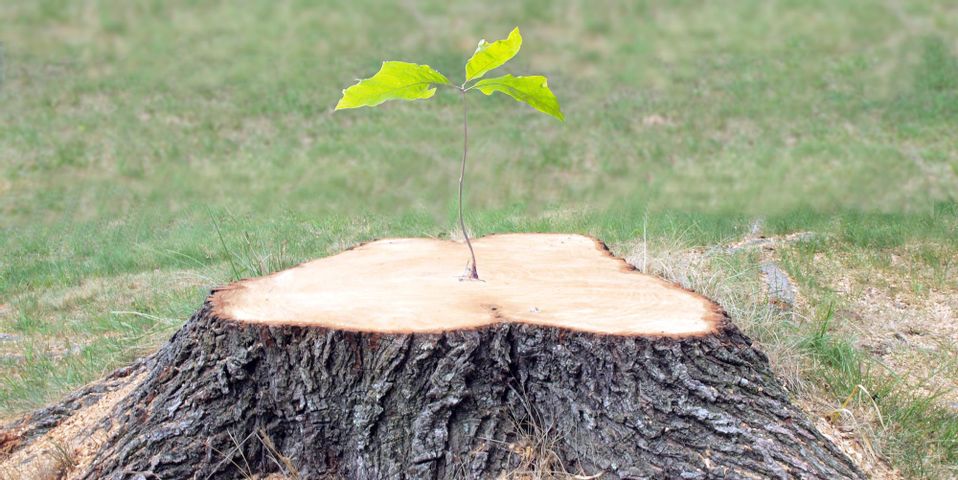
Trees that are cut down will develop stumps and these can regrow. The type of tree that will regrow from a stump depends on the species and the health of the tree at the time of the cut. Palm trees, for example, will die when cut, but most other trees can regrow from a stump.

When a tree dies, its seeds can be spread throughout the soil. Often times, these seeds may not be noticed until they produce saplings, but dealing with them early can save you a lot of money. It’s also best to make sure to avoid removing mature trees if they self-sow. Also, keep in mind that a mature specimen of a self-sown tree may be protected by conservation or tree protection orders.

If a tree dies, its stump won’t usually regrow, but if it’s healthy, it will likely need trimming every few months. In addition, if you’re concerned about the stump, you can apply rock salt to the area where the tree was.

Another alternative to salt is Epsom salt. This is a common bath salt that can be used for stump removal. This solution is a multipurpose product that kills tree stumps by drawing out moisture. It also kills nearby plants.

What kills a tree stump quickly?

What kills a tree stump quickly?

When dealing with an old tree stump, you may be wondering: What are the best ways to get rid of it? One effective method is to kill it with a tree stump killer. This solution works by starving the tree stump of moisture and light, causing the wood to rot. In a month or two, it should have completely disappeared.

Another effective method is to apply a layer of rock salt to the stump. This method is effective for stumps, but is not recommended for larger trees because it may harm the soil around it. A rock salt layer around the stump will cover it and kill it in about two to three months. Covering the stump with a black trash bag will also help it decay faster.

Another method is to use a fertilizer that contains nitrogen. Nitrogen-rich fertilizers like ammonium nitrate will quickly decompose a tree stump. However, be careful when handling them because they can damage nearby plants. In addition, potassium nitrate is the fastest decomposing substance for a tree stump, but it is also extremely toxic.

The best method is to cut the tree stump as close to the ground as possible and cover it with a tarp or organic material. If the stump is left exposed, it is possible that sucker growth will occur from exposed root zones. If this happens, it may be best to seek professional help.

What is the fastest way to get rid of a tree stump

When it comes to tree stumps, there are many ways to get rid of them. You can burn them, which is legal in some areas. To do this, you need to chop up a chunk of wood and place it on top of the stump. Then, you can add more wood to the fire, and let it burn. When the stump is completely burned, you can add more filler material to the area to make it level. Alternatively, you can have the stump ground using a machine. This process destroys the tree stump and root system, and grinds it to about a foot of depth.

Another way to prevent animals from digging around trees is to cover them with wire mesh or mulch. You can also use animal repellents that prevent squirrels from eating the branches of the tree. While this may seem like a reasonable solution, it can also end up hurting your tree in the long run.

In addition to being an eyesore, tree stumps can cause damage to your property. They can attract wood-boring insects, which can damage nearby plants and trees. Even worse, infected stumps can lead to disease or infestation. Furthermore, dead stumps can harbor fungi, which can be dangerous to humans and pets. If you don’t want your property to become a breeding ground for these pests, it may be wise to hire a tree service company to remove the entire stump.


from AAA Tree Lopping Ipswich https://ift.tt/8i0QGvT
via IFTTT

How to Get Rid of Old Tree Stump

If you want to get rid of an old tree stump, you have to do more than just dig it up and toss it in the compost pile. You also have to know what will make it rot faster. One method is to soak the stump in Epsom salt. This naturally occurring salt contains magnesium, sulfur, and oxygen and can kill the tree stump in less than a month.

What dissolves a tree stump?

There are several different methods of removing an old tree stump. One method involves burning the stump. Another method uses potassium nitrate. Both methods work by rendering the wood flammable. You can use any of these methods, or a combination. If you do not have the time to burn the stump, use one of these products as a temporary solution.

Epsom salt can be a very cheap solution for removing a stump. Usually purchased in bulk, it’s relatively cheap and can also be used for other health purposes. It also has a zero product waste, so it’s a win-win solution. If you’re unsure what to use, rock salt works well as well.

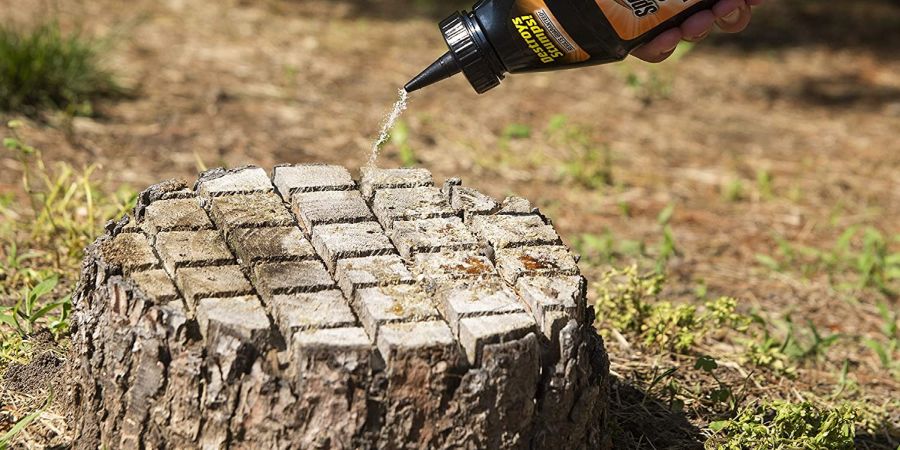
Another option is to drill holes into the stump’s surface. Make sure that these holes are spaced at least three inches apart and about eight inches deep. Then, fill each hole with 100 percent Epsom salt. The water will carry the salt deep into the tree’s cells. The salt will help dry out the wood cells, and then break them down.

After four to six weeks, the stump should be soft and pliable. After that, you can simply cut it off with an ax. Then, you can cover it with dirt and plant grass seed.

How do you make a tree stump rot faster?

How do you make a tree stump rot faster?

You may wonder, “How do you make old tree stumps rot quicker?” You can speed up the process by using various tools. For example, you can use a large drill bit and a spade extender to drill holes around the stump. Fill the holes with water, which will help the rotting process.

You can also use an angle grinder to rot tree stumps. The drill attachment on an angle grinder allows you to use a specialized drill bit. These bits are designed to drill into wood quickly with high torque. There are several sizes available, but the bigger the bit, the faster it will rot the stump.

A combination of chemicals can also be used to make old tree stumps rot faster. They can take anywhere from 3 to seven years to decompose naturally, but using chemicals can speed up the process and accelerate decomposition of the remaining tree fibers and roots.

Potassium nitrate is one way to make an old tree stump rot faster. However, it is dangerous for pets and children. If you use potassium nitrate, make sure to follow all safety precautions. This chemical has a very high toxicity and should be used under the supervision of an adult or a child.

A chemical mixture that contains rock salt is also a good way to make an old tree stump rot faster. But it should be noted that rock salt contains chemicals and makes soil less fertile for many plants. Hence, it is best used on old seasoned stumps, rather than newly planted ones.

What is the best thing to dig around tree roots to

The easiest way to remove a tree stump is to dig it out. This is counterintuitive, but gives you good leverage for loosening the roots. Digging space is smaller near the trunk but increases as you go outward. It is usually best to dig a two to three-foot radius around the stump. Then, fill the hole with fresh soil. Alternatively, you can hire a landscaping company to do the work for you.

How does Epsom salt rot a tree stump?

How does Epsom salt rot a tree stump?

To kill a tree stump, you can add Epsom salt to the stump and surrounding soil. The solution should mix easily. Then, you should spread the mixture on the stump and the exposed roots. After applying the mixture to the stump, you can cover it with a tarp or plastic cover. You should repeat this treatment once a week or until the stump is dead.

If you’re worried about the mess, you can also use a tarp to protect it from the rain. Depending on the size of the stump, it may take several applications to make it completely rot. The process of tree stump removal will vary depending on the type of tree stump and the amount of salt you’re using.

To apply Epsom salt, you need to cut several holes in the stump, around one inch apart. Then, fill the holes with 100 percent Epsom salt. Make sure the salt is buried half-way into the stump. Allow water to penetrate the holes and the salt will start to decompose. It can take several months if the stump is large.

Epsom salt contains magnesium and sulfur, two essential nutrients plants need to survive. However, the minerals can also kill plants. The salt can also deplete soil moisture and kill plant roots. By drying out the roots, it will rot the tree stump. It will eventually break down and be easily removed.

What is the best stump killer?

What is the best stump killer?

Tree stump killers can be effective in removing old trees. However, these solutions can also be toxic. This means that you should always use protective gear when handling them and always keep children and pets away. Here are a few tips to keep in mind when choosing a stump killer.

One of the first things you should look for in a stump killer is how easy it is to apply. While some stump killers are easy to use, others require a little more effort to apply. Some of them are liquid chemicals, while others come in granular form.

Several chemical and organic compounds are used to kill tree stumps. These can include RoundUp and Epsom salts. There are also other alternatives, like copper nails and copper nitrate. Using a chemical product is often safer, but it may take weeks before you get the desired results.

Another method is to cover the stump with scrap wood or rocks. In general, this method will take four to six weeks to work. In some cases, however, you need to follow local fire codes. If you choose this option, you should allow plenty of time for the tree stump to rot.

Tordon RTU is an effective way to kill poison oak, wisteria, and other plants that are growing near the stump. This type of product has high potency, but may damage plants near the stump. In addition, you should also apply it fresh to avoid it from affecting nearby plants.

Will vinegar rot a tree stump?

One way to get rid of tree stumps is with white vinegar. The acid in vinegar will kill the tree roots. It will also kill any ants living on the stump. Applying the solution to the tree stump will also make it spongy, making it easy to break up. However, this is not a DIY project. Depending on the size and location of your stump, it may take a professional to remove it.

You can also use rock salt. This all-purpose solution, which can be purchased online, draws moisture from the air and kills off the roots. Alternatively, you can use Epsom salt, which is more effective on small tree stumps. Remember to keep the mixture moist during the process.

Vinegar is a good rotting agent, but it is not an instant solution. The rate at which the tree stump decomposes will depend on a variety of factors, including the type of soil and the amount of wood. In addition to the amount of oxygen and moisture in the soil, the amount of organic matter on the stump will also affect its decay.

When used as a tree stump treatment, it is important to remember that it is important to use undiluted vinegar to avoid damaging the roots of the tree. Pure white vinegar has a high acidity, so it can harm the roots. Nevertheless, it is a safer and environmentally friendly option compared to harsh chemicals.


from AAA Tree Lopping Ipswich https://ift.tt/6usOhWR
via IFTTT

Tuesday, September 27, 2022

Signs It Might Be Time to Remove Your Tree

If your tree is starting to show symptoms of disease or decay, it may be time to remove it. A few of these signs include: root problems, compromised structural integrity, and fungi and disease. There are many other warning signs that you should watch for, but these are just a few of the most common.

Root problems

One of the most common signs it might be time to remove your tree is if you notice that its roots are unhealthy. If the roots are discolored, cracked, or even severed, it may be time to remove the tree. In addition, the soil surrounding the base of the tree may begin to lift or crack. This could be a result of the tree’s root ball shifting. If you notice any of these symptoms, you should contact an arborist.

Damaged roots indicate a tree that is weakened structurally. These roots are also susceptible to damage caused by wind. Wind can cause the roots to lift and cause the tree to fall over. A professional arborist can determine whether it’s time to remove the tree and determine what the best course of action is.

Cracks in the trunk are another sign that it might be time to remove your tree. Cracks in a tree trunk can indicate structural damage, especially if there are a lot of limbs on the tree. If the tree’s trunk is weak, it can’t support all the branches, and this can be a danger to your home.

When the tree is leaning

A leaning tree can be dangerous and should be removed by a professional. A certified arborist can evaluate the condition of the tree and determine if it is a danger to people or property. He can also recommend the best course of action for fixing the problem. Sometimes bracing or cabling can be used to straighten the tree. Other times, it is better to leave the leaning tree alone.

A leaning tree may be caused by various causes. It may have a damaged root system, or it may be due to storm damage. Other reasons include being too close to power lines, or blocking roadways, sidewalks, or traffic signals. While pruning can solve the problem, there are times when removal is the only option.

Keeping the roots healthy is important for the health of the tree. Having healthy roots will prevent leaning. In addition, a tree planted in an area that is too wet is more prone to topple or lean in windy conditions.

Compromised structural integrity

There are a number of reasons why the structural integrity of a tree may be compromised. Some structural defects are not obvious, and may remain undetected for many years. In this case, the tree may still remain big and green, but it may not function properly. If the tree is subjected to a strong wind, it may topple over.

Another potential cause of compromised structural integrity is the presence of fungus or insects. Depending on the severity of the damage, the tree may not have an immediate health threat, but it may be vulnerable to infestation by insects or fungus. An arborist can assess the condition of a tree and determine the proper course of action.

Trees that are planted too close to homes may pose a safety risk to people and property. A large limb can fall on a home, causing extensive damage. Trees can also be infected with a disease, which can spread through the root system.

Fungi and disease

Fungi and disease can damage your tree in a number of ways, but you can easily detect them early. Look for signs of decay on the leaves and limbs of your tree. If you see a dead branch, it might be time to remove it. Moreover, a tree with few leaves may also be suffering from an ailment. A dying tree can become unstable and may even fall, if it is not treated promptly.

If you notice a mushroom-like growth on your tree, it might be infected with fungus. This type of fungi can cause extensive damage to a tree, because they can get into the tree through wounds in the protective bark. The fungi can also cause the decay of the tree’s structure. Additionally, decaying trees are often homes for various pests, including termites and carpenter ants. A tree that is infested with these pests is almost certainly going to die.

The signs of a sickly tree should be immediately investigated by a tree care professional. While some tree ailments can be treated at home, others require a certified arborist to diagnose the condition.

Your tree is in the wrong location

If you have a dead tree in the backyard, it is important to know that it is in the wrong location. Dead trees have no green needles, which indicate that something is very wrong. A tree that is not healthy will die from the top down. Check the entire tree and see if the trunk leans to the east or west. Leaning trees are at risk for falling, as most winds come from the west.

If the tree is bothering you

If the tree is causing you trouble, it might be time to remove it. Trees are often prone to falling branches and can cause a lot of damage to your property. In fact, falling branches can result in serious injuries, including fractured skulls and necks.

However, you should first consult with the neighbors before you remove the tree. They may be liable if the roots extend to their yard. Moreover, they may have to face court action for the removal of the tree. In this case, the neighbors should hire a certified arborist to assess the situation and make the necessary arrangements.

Contact Arborist

When you’re facing a situation where your tree has become unhealthy, contact an arborist to come out and assess the situation. This type of professional is trained to evaluate trees and can help you get your property back to its former glory. If the tree is suffering from a disease, it may be time to remove it. They charge by the hour and can also remove a tree that has a pest infestation.

Some common signs that your tree needs to be removed include dying leaves, cracks in the bark, and soft crumbly wood. These are signs that the root system of the tree is decaying. The roots are the lifeblood of a tree and keep it alive by taking in all the water and nutrients it needs to grow. Early detection of these problems will enable you to fix them before the situation gets worse.

There are also some trees that grow so close to homes and power lines that they could be dangerous. They could fall on the roof or damage a home. Moreover, branches of a tree can break and injure a person. In such cases, it’s better to call an arborist than attempt to take down a tree yourself.

Conclusion

The process of removing a tree involves weighing the pros and cons of the removal. The removal of an old tree can help make way for new trees. It also allows for a healthy and diverse forest ecosystem. When a tree no longer serves its purpose, it is best to remove it, but there are some situations where it is better to leave it alone.


from AAA Tree Lopping Ipswich https://ift.tt/1x9WQac
via IFTTT