Monday, May 29, 2023

DIY Tree Removal An Indepth Safety Guide for the Adventurous Homeowner

Taking Control Safely: An In-Depth DIY Tree Removal Safety Guide

Are you the type of homeowner who loves taking on DIY projects around your property? Have you noticed a tree on your land that needs to be removed, and you’re thinking about tackling the job yourself? Before grabbing your chainsaw and getting to work, it’s crucial to understand the safety risks involved with DIY tree removal.

In this in-depth safety guide, we’ll walk you through all the necessary steps for safely removing a tree from your property. From assessing whether it’s safe to remove the tree yourself to gathering the right equipment and preparing your work area, we’ll cover everything you need to know.

By following our tips and guidelines, you can feel confident in tackling this project while keeping yourself and those around you safe. So let’s get started!

Assess the Tree and Determine if DIY Removal is Safe

Before deciding whether it’s feasible to tackle the task of tree removal yourself, take a good look at the condition and location of the arboreal obstacle. First, assess the tree’s health and any potential hazards that may come with cutting it down. For example, is the tree leaning towards your house or power lines? Is there damage or rot in the trunk or branches?

If you’re unsure about any of these factors, it may be best to consult with a professional arborist who can provide guidance on how to safely remove the tree. Next, consider your own experience and capability for completing this job. Removing a tree requires physical strength, specialized equipment, and knowledge of proper techniques.

If you don’t feel confident in your ability to handle all aspects of this task safely, it’s better to err on the side of caution and hire a professional. However, if you’ve determined that DIY removal is possible and have made safety your top priority, then gather the necessary equipment for taking down your unwanted flora.

Gather the Necessary Equipment

You’ll need some tools and gear to get started, like a lumberjack gathering his trusty axe before heading into the woods. Here’s what you’ll need:

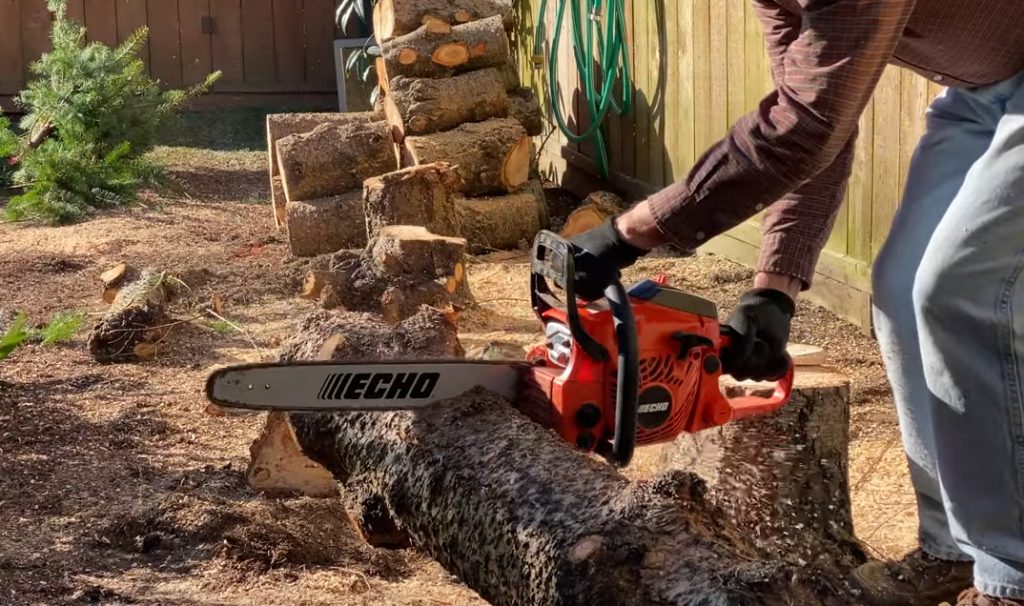
  1. Chainsaw – A chainsaw is essential for removing branches and cutting the trunk into manageable pieces.
  2. Safety Gear – Protect yourself with gloves, goggles, ear protection, and a hard hat.
  3. Ladder – Depending on the height of the tree, you may need a ladder to reach certain parts of the tree.
  4. Rope and Pulleys – These will assist in safely lowering large limbs or sections of the trunk.

It’s important to gather all necessary equipment before starting your DIY tree removal project to ensure that you have everything you need for a safe and successful job.

Once you have all your tools ready, it’s time to prepare the work area by clearing debris and establishing safe zones for felling branches or sections of the tree.

Prepare the Work Area

Before you start the tree removal process, it’s important to prepare the work area. This involves clearing the area of debris and obstacles, securing the tree and surrounding structures, and marking a safe escape route.

To ensure your safety and minimize risks, take these steps seriously and make sure that everything is in order before you begin. By doing so, you’ll be able to proceed with confidence knowing that you’ve taken all necessary precautions.

Clear the Area of Debris and Obstacles

Make sure you’ve cleared away any debris or obstacles from the area where you’ll be cutting down your tree to ensure a safe and unobstructed work space. This includes removing any rocks, branches, plants, or other materials that could get in the way of your equipment or cause tripping hazards. Keep in mind that even small objects can become dangerous projectiles if they’re hit by falling limbs or trunks.

As you clear the area, take note of any structures that may be impacted by the falling tree. Make sure there’s enough clearance for the tree to fall without hitting anything important such as power lines, buildings, vehicles, fences, or landscaping features.

Once you have created a clear and safe work zone around your tree, it’s time to move on to securing both the tree and surrounding structures before making any cuts.

Secure the Tree and Surrounding Structures

Now it’s time for you to ensure the safety of both the tree and surrounding structures by properly securing them before beginning any cutting, so you can feel confident and in control as you tackle this task.

Here are some steps to follow:

  1. Tie a rope around the trunk of the tree, making sure it’s tight enough to prevent any movement during cutting.
  2. Check for any nearby power lines or other structures that could be damaged by falling branches or trees, and take measures to protect them.
  3. Use wedges or braces to support weak or leaning limbs before removing them.
  4. Clear away any debris from the base of the tree to provide a safe workspace.

By taking these precautions, you can reduce the risk of injury and damage while completing your DIY tree removal project.

Now that you’ve secured your work area, let’s move on to marking a safe escape route in case of emergency.

Mark a Safe Escape Route

As you prepare to cut down the tree, it’s crucial that you mark a safe escape route in case of an emergency. Did you know that falls are one of the leading causes of injury and death in the home, according to the National Safety Council?

Therefore, before making any cuts, take a few moments to carefully consider your surroundings. Look for any potential hazards such as power lines or other trees that may obstruct your path. It’s essential to have at least two escape routes planned out in advance, just in case one becomes blocked during the removal process.

Once you’ve identified your safe escape route(s), mark them clearly with brightly colored tape or flags. This will help ensure that everyone involved in the project is aware of where they need to go if an emergency arises. Remember to also let those around you know about your plan so that they can be prepared as well.

With this precautionary measure taken care of, it’s time to move on to making the cuts and removing the tree safely and efficiently.

Make the Cuts

Now that you’ve prepared the work area, it’s time to make the cuts. To ensure safety and efficiency, it’s important to plan the sequence of cuts beforehand.

Start by making the first cut at the base of the tree using a technique that will allow for safe and precise removal.

As you move onto limbing and topping, be sure to use correct techniques in order to avoid injury or damage to surrounding property.

Plan the Sequence of Cuts

Start planning the order of cuts for taking down a tree, visualizing each step in your mind to ensure a safe and effective removal process.

First, identify the natural lean of the tree and determine the direction you want it to fall. This will dictate where you make your cuts.

Next, plan out any potential obstacles or hazards that could interfere with the falling tree such as power lines or nearby structures. Make sure to mark these areas clearly so everyone involved is aware of their location.

After considering the direction and potential hazards, it’s time to plan your sequence of cuts. Start by making a horizontal cut on the side of the tree facing in your desired direction of fall. This cut should be made at waist height or slightly higher and should extend about 1/3 into the diameter of the trunk.

Then move to make a second cut directly opposite this first one, creating an open notch in which to guide the falling tree. With these initial cuts made, you can then proceed with removing more wood from behind these cuts until there is only small uncut section remaining at the back of your notch.

Now that you’ve planned out your sequence of cuts, it’s time to start taking action with making that first cut at the base of the tree!

Make the First Cut at the Base of the Tree

You’re not a lumberjack, but you can make the first cut at the base of the tree with ease. Feel like a pro as you wield your trusty saw and get ready to bring that tree down! To ensure safety and efficiency, follow these steps:

  1. Determine which direction you want the tree to fall and clear any obstacles in that path.
  2. Make a horizontal cut into the trunk on that side, about one-third of the way through.
  3. Next, make an angled cut downward from above the horizontal cut until it meets it.

Once completed, stand back and let gravity do its job as the tree starts to fall in your planned direction. Remember to always wear protective gear when operating any cutting tool.

Now that your tree is starting to come down, it’s time for limbing and topping. Use the correct technique for this process by following our next set of guidelines.

Use the Correct Technique for Limbing and Topping

Get ready to feel like a pro as you use the correct technique for limbing and topping your tree. This process involves removing branches from the trunk and cutting the top section of the tree.

First, start by removing any small branches that are less than three inches in diameter. Use your chainsaw to cut these branches at an angle, about one-third of the way through, then make another cut from above until it falls away cleanly.

As you move up to larger branches, use a different technique called ‘topping.’ With this method, make a cut on the underside of the branch about 18 inches away from where it connects to the trunk. Then, saw through about two-thirds of the branch from above before making a final cut on the underside to remove it completely.

Remember to always work with gravity and avoid reaching overhead or cutting too close to yourself.

Now that you’ve mastered limbing and topping, it’s time to remove the tree safely without causing damage or injury.

(Note: The subsequent section will cover how to remove a tree.)

Remove the Tree

Now that you’ve made the necessary cuts on your tree, it’s time to remove it.

This involves cutting the tree into manageable sections so that you can safely move them out of the way. To do this, use a chainsaw and make sure to cut at an angle, directing the fall away from anything nearby. Use ropes to control the falling sections and ensure they don’t cause any damage or harm.

Once all sections are down, dispose of the tree properly by either recycling it or hiring a professional service to haul it away for you.

Cut the Tree into Manageable Sections

Like a skilled chef slicing a ripe avocado, smoothly and deliberately cutting the tree into manageable sections requires patience and precision. First, make sure you have all the necessary tools, such as a chainsaw, hand saws, wedges, and protective gear.

Begin by making an initial cut on the underside of the branch or trunk facing away from you. Then, make another cut on the top side of the branch or trunk closer to your body. This will create a notch that will guide where the tree falls.

Next, continue making cuts on each section of the tree until it is completely separated into smaller parts. Remember to always maintain a safe distance from any falling branches or trunks and never work alone. If there are any difficult sections that require additional support while cutting, use wedges to prevent pinching or binding of your saw blade.

With each successful cut made, you are one step closer to safely removing your tree. As you finish cutting your tree into manageable sections, it’s important to consider how you will control their fall when they come down. Use ropes tied securely around each piece to direct its landing spot and avoid causing damage to property or people nearby.

Use Ropes to Control the Falling Sections

Controlling the landing spot of each section is crucial during tree removal, so be sure to use ropes securely tied around them. The ropes will allow you to guide the falling sections in a specific direction, away from any potential hazards like your house or power lines. Additionally, using ropes can help prevent the sections from causing damage to surrounding trees or vegetation.

To effectively use ropes during tree removal, it’s important to understand how they work. Tie one end of the rope around the tree trunk above where you plan to make your cut and secure it tightly with a knot or hitch. Then, run the other end of the rope over a sturdy branch high above the cutting zone and back down to someone on the ground who can control its tension. With this setup, you’ll have more control over where each section falls and reduce your risk of accidents.

Controlling where each section falls is only one part of safe DIY tree removal. Once you’ve felled all parts of the tree successfully, it’s important to dispose of it properly.

Dispose of the Tree Properly

Make sure to properly dispose of the tree once it’s been felled, as neglecting this important step could create unnecessary risks and hazards for you and your neighbors. The first step is to remove all branches and limbs from the trunk, cutting them into manageable pieces that can be easily transported.

Next, cut the trunk into sections that are no longer than six feet in length so they can be safely loaded onto a truck or trailer for transport.

When disposing of the tree, check with your local municipality to find out if they have any specific requirements or guidelines for disposal. Many cities offer curbside pickup for yard waste, while others require you to drop off the tree at a designated location. It’s important to follow these guidelines to ensure that you’re not breaking any laws or putting anyone else at risk.

With proper disposal completed, it’s time to review safety protocols and tips for next time.

Review Safety Protocols and Tips for Next Time

Before attempting future tree removals, it’s crucial to review and implement proper safety protocols. This will not only protect you and your property, but also anyone else in the area.

Make sure you have all necessary tools and equipment, such as hard hats, gloves, eye protection, chainsaws, ropes, and ladders. It’s also important to check the weather forecast beforehand to avoid working during strong winds or storms.

Another safety measure is to always have a buddy nearby who can help you if needed. They can assist with cutting branches or securing ropes while you work on the tree. Additionally, make sure that the area around the tree is clear of people and pets before starting any work.

Always remember to communicate clearly with your partner and establish a plan for emergency situations before beginning any work on the tree. By taking these precautions seriously, you can ensure that your future DIY tree removal projects are completed safely and efficiently.

In conclusion, DIY tree removal can be a risky task if proper safety measures aren’t taken into account. Always prioritize safety by reviewing protocols beforehand and having adequate safety gear available during the job. Having a partner present during the process adds an extra layer of protection in case anything goes wrong. Remembering these tips will allow adventurous homeowners to safely remove trees from their property without risking injury or damage to their home or surrounding areas.

Frequently Asked Questions

How much should I expect to spend on equipment for DIY tree removal?

Looking to take on the challenge of DIY tree removal? One of the biggest factors you’ll need to consider is the cost of equipment.

Depending on the size and location of the tree, you may need a chainsaw, ropes, harnesses, ladders, and possibly even a wood chipper. While purchasing all this equipment can be costly upfront, it’s important to invest in quality tools that will get the job done safely and efficiently.

Consider renting equipment if you only plan on tackling one or two trees. Remember: safety should always come first when it comes to tree removal.

What are some common mistakes that people make during DIY tree removal?

When attempting to remove a tree on your own, it’s important to be aware of the most common mistakes that people make.

One mistake is underestimating the size and weight of the tree, which can lead to improper equipment use and dangerous situations.

Another common mistake is not properly identifying potential hazards such as power lines or nearby buildings.

It’s also crucial to avoid working alone, as having someone else there can provide assistance and help in case of an emergency.

Finally, failing to follow proper safety procedures such as wearing protective gear and securing tools can lead to serious injuries.

By being aware of these common mistakes and taking the necessary precautions, you can ensure a safer DIY tree removal experience.

Can I remove a tree from my property if it’s located near power lines?

If you’re considering removing a tree from your property that’s located near power lines, it’s important to understand the potential risks involved. Electrocuting is one of the leading causes of fatalities in the logging industry, according to OSHA. This means that attempting to remove a tree near power lines without proper training and equipment could put you in serious danger.

It’s always best to consult with a professional arborist or utility company before attempting any tree removal close to power lines. They have the expertise and specialized equipment necessary to safely complete the job while minimizing risk to both people and property.

How do I dispose of the tree once it’s been removed?

Once you’ve successfully removed a tree from your property, it’s important to properly dispose of it.

One option is to take the tree to a local landfill or recycling center that accepts yard waste.

Some areas may also offer curbside pickup for large items like trees, but be sure to check with your municipality for specific guidelines and regulations.

If you have a wood chipper, you can also turn the branches and trunk into mulch for use in your garden.

No matter which method you choose, be sure to follow all safety precautions when handling and transporting the tree debris.

What should I do if I encounter unexpected obstacles while removing the tree?

Encountering unexpected obstacles while removing a tree can be daunting, but don’t worry! You must remain calm and assess the situation.

If the obstacle is small enough, you may be able to remove it with your tools or by cutting around it.

However, if the obstacle is too large or dangerous to remove, don’t hesitate to call in a professional for assistance.

Remember that safety should always come first when removing a tree on your own. So take your time and carefully evaluate any challenges that arise during the process to ensure successful removal without injury or damage to property.

Conclusion

Congratulations! You’ve successfully removed a tree from your property. However, before you pat yourself on the back too much, it’s important to remember that DIY tree removal can be an incredibly dangerous task.

Always assess the tree and determine if removal is safe for you to do on your own. Remember to gather all of the necessary equipment and prepare the work area before making any cuts.

Did you know that according to the National Safety Council, falls are one of the leading causes of unintentional injury and death in homes? This statistic alone highlights just how crucial it is to take safety seriously when removing trees from your property.

By following proper safety protocols and tips, not only can you avoid injury but also ensure that your next DIY project will be completed safely and effectively.

In conclusion, while DIY tree removal may seem like a thrilling adventure for some homeowners, it’s important to prioritize safety above all else. Assessing the tree beforehand, gathering necessary equipment, preparing the work area properly, making clean cuts with precision tools, and reviewing safety protocols are all essential steps in ensuring both a successful outcome and avoiding any potential injuries.

So go ahead – tackle that project with confidence – but always remember to put safety first!

Related Source

Dangers of DIY Tree Removal


from AAA Tree Lopping Ipswich https://ift.tt/jg6XaSE
via IFTTT

Decoding Tree Trimming Costs Navigating the Investment in Your Arboreal Assets

Budgeting for Tree Trimming: Making Informed Decisions About Your Arboreal Investments

You may not realize it, but your trees are valuable assets that require proper maintenance to ensure their health and longevity. Tree trimming is an essential part of this maintenance, as it helps to keep your trees healthy and safe while enhancing their beauty and functionality.

However, navigating the costs associated with tree trimming can be confusing and overwhelming. That’s why we’ve created this guide to help you decode tree trimming costs, so you can make informed decisions about investing in your arboreal assets.

When it comes to tree trimming costs, there are several factors that come into play. These include the size of your trees, the type of trimming services needed, the accessibility of your property, and the experience level of your service provider.

Understanding these factors will help you navigate the various options available for tree trimming services and choose a provider that fits both your budget and needs. So let’s dive in and explore how you can effectively invest in regular tree maintenance without breaking the bank.

Factors that Affect Tree Trimming Costs

You’ll want to pay close attention to what affects the price of trimming your trees so you can make informed decisions and avoid any unexpected costs. One major factor that impacts tree trimming costs is the size of the tree. The larger the tree, the more difficult it is for arborists to access and trim it properly. This means that larger trees require more time, specialized equipment, and skilled labor, which all contribute to a higher cost.

Another factor that affects tree trimming costs is the health and condition of the tree. If a tree is diseased or damaged, it may require more extensive pruning or removal altogether. Additionally, if a tree has overgrown branches that are encroaching on nearby structures or power lines, this will also affect the cost as specialized techniques must be used to ensure safety during trimming.

Understanding these factors can help you anticipate costs associated with your specific trees and make informed decisions about when and how often they need trimming services. With this knowledge in mind, let’s dive deeper into understanding different types of tree trimming services.

Understanding the Different Types of Tree Trimming Services

Learning about the various trimming services available can help you make informed decisions on how to care for your trees. There are different types of tree trimming services, and each is designed to address specific issues with your trees.

For instance, standard trimming focuses on removing branches that are dead, diseased, or have grown too close together. This type of trimming enhances the overall appearance of your trees and promotes healthy growth.

Another type of tree trimming service is crown reduction. As the name suggests, this service reduces the size of a tree’s crown by removing its branches selectively. Crown reduction helps in alleviating stress on weak branches and improves structural integrity. It also allows more sunlight to penetrate into the canopy, promoting better photosynthesis and improving overall health.

Understanding these different types of tree trimming services will help you determine which one is best suited for your needs and ensure that you invest wisely in maintaining healthy arboreal assets.

Now that you have a better understanding of the various tree trimming services available, it’s time to choose the right provider for your needs.

How to Choose the Right Tree Trimming Service Provider

Like a gardener carefully selecting the right tools for their plants, finding the right tree trimming service provider is crucial for the health and beauty of your outdoor space. Here are some tips to help you choose the best one:

  1. Look for certified arborists: A certified arborist is someone who’s been trained in tree care and maintenance. They have the knowledge and experience to properly trim trees without causing damage.
  2. Check for insurance: Tree trimming can be dangerous work, so it’s important that your service provider is insured. This protects you from any liability if something goes wrong during the job.
  3. Get references: Ask for references from past customers to see how satisfied they were with the service provided.
  4. Compare quotes: Don’t just go with the first company you find – get quotes from several different providers to compare prices and services.

By following these tips, you can ensure that you choose a reputable tree trimming service provider that’ll keep your trees healthy and beautiful.

Now, let’s move on to tips for negotiating tree trimming costs without breaking the bank.

Tips for Negotiating Tree Trimming Costs

It’s important to be savvy when it comes to negotiating the price of maintaining your trees, so here are some tips for getting the best deal possible.

Firstly, do your research and get quotes from multiple tree trimming service providers. This will allow you to compare prices and services offered, giving you leverage in negotiations.

Secondly, don’t be afraid to ask for a discount or negotiate a lower price. Many tree trimming companies are willing to work with customers on pricing if they feel like they may lose the job otherwise. Additionally, consider offering to pay in cash instead of credit card as this can sometimes result in a lower price due to avoiding processing fees.

By following these tips, you can ensure that you’re getting the most value for your money when it comes to maintaining your trees.

When it comes to investing in regular tree maintenance, one key factor is understanding how often and what type of trimming is necessary for each specific tree species.

Investing in Regular Tree Maintenance

Maintaining your trees is like giving your car regular oil changes – it’s essential for keeping them healthy and thriving. Regular tree maintenance involves several activities such as pruning, trimming, fertilizing, and watering.

The benefits of investing in regular tree maintenance are numerous. Firstly, it enhances the overall health of your trees by removing dead or diseased branches that can cause harm to other parts of the tree. Secondly, it improves the aesthetics of your yard by maintaining a well-manicured appearance. Lastly, regular maintenance reduces safety hazards such as falling limbs that may cause injury to people or damage property.

To ensure proper maintenance of your trees, hire a professional arborist who will assess the health of your tree and recommend an appropriate course of action. Factors such as age, species, location, and weather conditions will determine how often you need to maintain your trees. For example, younger trees require more frequent pruning while older ones require less pruning but may need more attention in terms of fertilization and pest control measures.

Overall, investing in regular tree maintenance pays off in the long run by improving the health and longevity of your arboreal assets while adding value to your property.

In conclusion, navigating the investment in your arboreal assets and decoding tree trimming costs is worth the effort. By grouping complete sentences on their own lines and using contractions, you can better understand the benefits of regular tree maintenance and ensure the health and safety of your trees.

Conclusion and Final Thoughts

Don’t let your trees become a liability; keep them healthy and safe with regular maintenance from a professional arborist. Investing in the regular care of your trees ensures they remain strong, healthy, and beautiful for years to come.

Not only does regular maintenance prevent potential safety hazards, but it also enhances the aesthetic appeal of your property. By working with a skilled arborist, you can ensure that your trees receive the proper care they need to thrive.

A professional tree service will assess the health of your trees and perform necessary measures such as pruning, fertilization, and pest control. With ongoing maintenance and care, you can prevent costly damage caused by sick or weak trees while protecting both yourself and your investment.

Remember that investing in regular tree maintenance is an investment in the longevity and value of your arboreal assets. In conclusion, caring for your trees is essential not only for their health but also for maintaining their beauty and adding value to your property.

Regularly scheduled maintenance from a professional arborist is crucial in ensuring that your trees are well-maintained year-round, preventing potential hazards before they occur. So don’t wait until it’s too late; schedule an appointment today to give yourself peace of mind knowing that your arboreal assets are being taken care of by experienced professionals who understand what it takes to keep them looking great!

Frequently Asked Questions

What are the legal requirements for tree trimming in my area?

When it comes to tree trimming, the legal requirements can vary depending on where you live. It’s important to do your research and understand what regulations are in place in your area.

Some cities may require a permit for any tree trimming or removal, while others may have specific guidelines for how much of a tree can be trimmed at one time. Additionally, there may be rules regarding the use of certain equipment or techniques during the trimming process.

Failing to adhere to these regulations can result in fines or even legal action. So before you start trimming those branches, make sure you know what’s required of you by law.

Can tree trimming be done during any season or are there specific times of the year that are best?

When it comes to tree trimming, timing is key. While you may be tempted to prune your trees at any time of the year, there are specific seasons that are best for this task.

For deciduous trees, winter is the ideal season as they’re dormant and have shed their leaves. This allows you to get a clear view of the tree’s structure and make precise cuts without damaging any foliage.

On the other hand, evergreen trees can be trimmed in late winter or early spring before new growth begins. It’s important to avoid pruning during extreme weather conditions such as high winds or heavy rain as this can make the task dangerous and ineffective.

By understanding the best time for tree trimming, you can ensure healthy growth, improve aesthetics, and prevent potential hazards on your property.

How long does it typically take for a tree trimming service to complete the job?

When it comes to tree trimming services, the duration of the job can vary greatly depending on a number of factors. The size and complexity of the job, as well as the number of trees being trimmed, will all play a role in how long it takes for the service to complete the work.

In general, most tree trimming services can complete a typical job within a day or two, but larger jobs may take several days or even weeks to finish. It’s important to discuss these details with your chosen service provider before hiring them so that you have a clear understanding of what to expect in terms of timeline and costs.

Are there any risks or potential dangers associated with tree trimming?

If you’re considering tree trimming, there are certainly risks and potential dangers to be aware of. First and foremost is the risk of injury to yourself or others if proper safety precautions aren’t taken. Additionally, incorrect trimming techniques can damage the tree itself, leading to weakened limbs that may break off in a storm or other weather event.

It’s important to hire a professional tree service with experience in safe and effective trimming methods, as well as liability insurance in case of any accidents or property damage. With the right expertise on your side, however, tree trimming can be a valuable investment in maintaining the health and beauty of your arboreal assets for years to come.

Is there a difference in cost between trimming trees in a residential area versus a commercial area?

When it comes to tree trimming, the cost can vary depending on whether you’re in a residential or commercial area. Generally, trimming trees in a commercial area tends to be more expensive due to factors such as accessibility and safety concerns.

In a residential area, trees are typically easier to access and pose less of a risk. However, the type of tree and its size also play a role in determining the cost. It’s important to consult with an arborist who can assess your specific needs and provide an accurate estimate for any tree trimming services you require.

Conclusion

Congratulations! You’ve successfully navigated the world of tree trimming costs and learned how to invest in your arboreal assets.

Just like a ship captain navigating through rough waters, you now have the tools to steer your trees towards health and beauty.

Remember, there are several factors that affect tree trimming costs such as size, location, and complexity. Knowing the different types of services available will help you choose the right service provider for your needs.

Don’t be afraid to negotiate pricing or invest in regular maintenance to keep your trees healthy.

In conclusion, just like a gardener tending to their plants, investing in tree maintenance is an investment in the long-term health and beauty of your property.

Use these tips to navigate the world of tree trimming costs with ease and confidence. Happy trimming!

Related Source

4 Reasons Tree Trimming Is Important


from AAA Tree Lopping Ipswich https://ift.tt/iHk3pCE
via IFTTT

Battling Tree Fungus Effective Treatment Strategies to Protect Your Green Giants

Combatting Tree Fungus: Expert Approaches to Shielding Your Stunning Green Giants

Do you have a lush, green tree in your yard that is the envy of the neighborhood? Nothing can be more disheartening than watching it slowly wither away due to tree fungus. Trees are not only beautiful but also provide numerous benefits such as shade, oxygen, and habitat for wildlife. Therefore, it is vital to take care of them and protect them from fungal infections.

Tree fungus can infect any part of a tree – the leaves, branches, trunk or roots. It can be caused by various factors such as poor soil drainage, overwatering, lack of sunlight or air circulation, insect infestation or damage caused by pruning equipment. However, with proper understanding and preventive measures in place, you can limit the risk of infection and save your beloved trees from harm.

In this article, we will explore cultural practices to prevent fungal infections along with chemical treatments and biological control methods that can effectively combat tree fungus. Additionally, we will discuss how regular maintenance and seeking professional help when necessary can help ensure healthy trees for years to come.

Understanding Tree Fungus

Let’s dive into the world of fungal infections and how they can harm your beloved trees. Fungi are microorganisms that live in soil, air, water, and on plants. Some fungi are beneficial to trees by breaking down dead organic matter and recycling nutrients back into the soil. However, some fungi can cause severe damage to tree health by infecting roots, stems, branches, leaves or fruit.

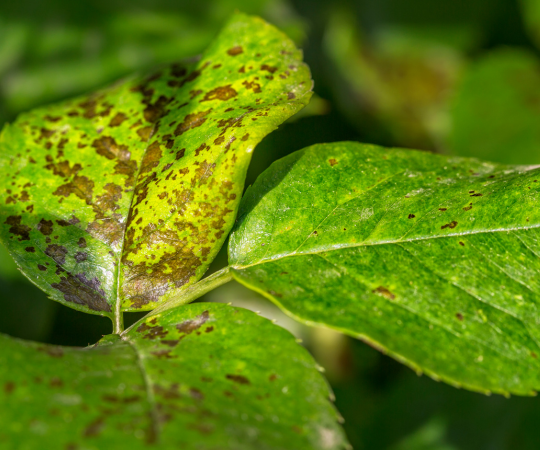
Tree fungus infections result in a wide range of symptoms such as leaf spots, wilting or yellowing of leaves, premature defoliation, dieback of twigs and branches or even death of the entire tree. Different types of fungi attack different parts of a tree depending on their life cycle and host specificity. Understanding the type of fungus causing infection is crucial for selecting appropriate treatment strategies to protect your green giants against further damage caused by fungal diseases.

Now let’s take a look at cultural practices that can prevent fungal infections from occurring in the first place.

Cultural Practices to Prevent Fungal Infections

By implementing proper upkeep techniques, you can cultivate a flourishing environment for your beloved trees and prevent the onset of tree fungus. Here are some essential cultural practices to keep in mind:

  1. Watering: Overwatering or underwatering is harmful to trees and creates an environment conducive to fungal growth. Ensure that your trees receive adequate water, depending on their species and location.
  2. Pruning: Regular pruning helps eliminate deadwood, weak branches, and other potential sources of infection. It also improves air circulation within the canopy, reducing moisture retention.
  3. Sanitation: Proper disposal of fallen leaves, twigs, and other debris prevents the buildup of fungi spores around tree bases.
  4. Soil health: Trees thrive in well-draining soil with balanced nutrients. Fertilize your trees wisely based on soil tests results.

Cultural practices form an important foundation for maintaining healthy trees free from fungal infections. However, sometimes they might not be enough to prevent or treat existing infections effectively. Therefore, we’ll discuss chemical treatments for tree fungus next…

Tree care

Chemical Treatments for Tree Fungus

To effectively combat fungal infections in your trees, you may need to consider chemical treatments as a supplement to your cultural practices. Chemical treatments can be highly effective if used properly, but they should only be applied by trained professionals.

When treating tree fungus with chemicals, it’s important to identify the specific type of fungus affecting your tree and choose a treatment that targets that particular strain. There are several different classes of fungicides available for treating tree fungus, including contact fungicides and systemic fungicides.

Contact fungicides work by killing the fungus on the surface of the tree and must be reapplied regularly. Systemic fungicides, on the other hand, are absorbed into the tree’s vascular system and provide longer-lasting protection against infection.

While these treatments can be effective in controlling fungal infections in trees, it’s important to remember that they should always be used in conjunction with good cultural practices like proper pruning and watering techniques.

As you explore different options for treating fungal infections in your trees, keep in mind that chemical treatments are just one piece of the puzzle. In addition to using chemicals when necessary, there are also many biological control methods that can help protect your green giants from infection without relying on harsh chemicals or pesticides.

Biological Control Methods

The best way to naturally combat pesky fungal infections in your trees is by utilizing biological control methods, which can work wonders for keeping your greenery healthy and thriving.

One such method is introducing beneficial fungi that compete with the harmful fungus for resources. These beneficial fungi, known as mycorrhizae, form a symbiotic relationship with your tree’s roots and provide it with essential nutrients while also protecting it from pathogenic fungi.

Another effective biological control method is using bacteria to fight off fungal infections. Bacillus subtilis, for example, produces antibiotics that inhibit the growth of harmful fungi on your trees. Additionally, some bacteria species can also stimulate your tree’s natural defenses against disease and infection.

By incorporating these natural methods into your tree care routine, you can minimize the need for harsh chemical treatments and keep your trees strong and healthy. Moving forward into prevention and maintenance, there are several steps you can take to further protect your trees from fungal infections.

Prevention and Maintenance

Ready to keep your trees healthy and thriving? Let’s dive into some simple prevention and maintenance techniques to combat those pesky fungal infections.

Firstly, it’s important to maintain proper tree hygiene by removing any dead or diseased branches regularly. This prevents the spread of fungi spores that can potentially infect healthy parts of the tree.

Secondly, make sure your trees are getting enough sunlight and air circulation. Fungi thrive in dark, damp environments so pruning back neighboring plants or structures that may be obstructing light and airflow is crucial. Additionally, avoid overwatering your trees as excess moisture can create an ideal breeding ground for fungus.

By implementing these preventative measures, you can significantly reduce the likelihood of a fungal infection taking hold in your precious green giants.

To take things a step further, seeking professional help from certified arborists who have experience with identifying and treating tree diseases is always a wise choice. They can provide expert advice on specific prevention strategies tailored to the unique needs of your trees and property.

Seeking Professional Help

If you’re dealing with a tree problem that’s beyond your expertise, it’s time to call an arborist.

Choosing the right professional is crucial in ensuring that your trees receive the best care possible.

When working with tree care experts, be sure to communicate clearly and ask questions to ensure that you understand their recommendations and actions taken.

When to call an arborist

It’s always a good idea to bring in an expert when your beloved trees need some TLC – think of it like calling in a doctor for your leafy friends. But when exactly should you call an arborist?

The answer depends on the symptoms and severity of the tree’s condition. If you notice any signs of decay, such as mushrooms growing at the base of the trunk or yellowing leaves that fall off prematurely, it’s best to call in a professional right away.

Other indications that you may need an arborist include cracks or splits in the trunk, large dead branches, or signs of insect infestation. Additionally, if you have concerns about the overall health and appearance of your trees but aren’t sure what’s causing them, it never hurts to consult with an expert.

Remember: prevention is key, and catching problems early can save both money and heartache down the road. With this information in mind, let’s take a look at how to choose the right professional for your needs.

Choosing the right professional

To ensure you get the best care for your trees, it’s important to choose the right professional – someone who has the expertise and experience needed to diagnose and treat any issues.

When searching for a tree care expert, there are several factors to consider. Firstly, check their credentials and certifications. Look for a certified arborist who has undergone extensive training in tree care and maintenance. A certified arborist can provide you with valuable advice on how to protect your trees from diseases such as fungus.

Secondly, ask for references from previous clients or do some research online to read reviews about the company or individual. This will give you an idea of their level of professionalism and quality of work. Also, make sure that they have liability insurance and workers’ compensation insurance in case of any accidents during the job.

When choosing a tree care professional, keep in mind that not all services are created equal. Take your time to find a reputable company or individual who can provide you with top-notch service and advice on how to protect your green giants from harmful fungi.

With the right expert by your side, you can rest assured that your trees will thrive for years to come without facing any issues caused by fungus or other problems related to poor maintenance practices.

Now that you’ve found a qualified arborist, let’s move on to working with them effectively so that they can help you protect your trees against fungal diseases!

Working with tree care experts

Working with a tree care expert can greatly improve the health and longevity of your trees. Research has shown that regular maintenance and care can increase property values by up to 20%.

To ensure your trees are properly cared for, it’s essential to find a reputable tree care company. Look for companies that have certified arborists on staff, as they have the knowledge and expertise needed to diagnose and treat various tree diseases.

When working with a tree care expert, it’s important to communicate any concerns or issues you may have with your trees. Good communication between you and your tree specialist will ensure that all necessary treatments are carried out promptly.

Make sure to ask questions and stay informed about the work being done on your property. A good tree care company should be transparent about their practices and willing to provide you with information regarding the treatments they recommend for your trees.

By working together with a trusted professional, you can help protect your trees from harmful fungi and ensure that they remain healthy for years to come.

Tree care

Frequently Asked Questions

Can tree fungus infections spread to other trees in the surrounding area?

If you’ve noticed a tree fungus infection, it’s important to act quickly. One concern is whether the infection can spread to nearby trees. Unfortunately, the answer is yes. Fungal spores can easily travel through the air and infect other trees. The fungus can also spread through intertwined roots. It’s crucial to identify and treat infections as soon as possible to prevent further damage.

Remember to use contractions.

Is it possible for a tree to recover from a severe fungal infection?

Recovering from a severe fungal infection isn’t impossible, but it’s not guaranteed.

In fact, studies show that only about 50% of trees with severe infections are able to recover and survive. It largely depends on the type of fungus, the severity of the infection, and how quickly treatment is administered.

Some species of trees are more resilient than others and may have a better chance at recovery. However, even if a tree does recover from a fungal infection, it may be weakened and more susceptible to future infections or other stressors such as drought or pests.

Proper care and maintenance can help increase the chances of recovery and long-term health for your green giants.

How long does it take for chemical treatments to start working against tree fungus?

If you’re dealing with a fungal infection in your trees, you may be wondering how long chemical treatments take to start working. The answer depends on several factors, including the type of fungus and the severity of the infection.

In many cases, it can take several weeks or even months for the treatment to begin showing results. However, it’s important to remember that chemical treatments are just one part of a comprehensive approach to managing tree fungus.

Proper pruning, watering, and fertilization can also help promote healthy growth and prevent future infections. Ultimately, the best course of action will depend on the specific needs of your trees and the extent of the infection.

Are there any natural remedies that can be used to prevent or treat tree fungus?

Looking for natural remedies to prevent or treat tree fungus? Luckily, there are a variety of options available.

One effective method is using a combination of baking soda and water as a spray on the affected trees.

Another option is to use compost tea, which can help boost the health of your trees and make them more resistant to fungal infections.

You can also try using neem oil, which has antifungal properties and can be applied directly to the affected areas.

While these natural remedies may not work as quickly as chemical treatments, they can be just as effective in keeping your green giants healthy and thriving.

What are the potential risks and side effects of using chemical treatments for tree fungus?

When it comes to treating tree fungus, chemical treatments can be effective but also come with potential risks and side effects. These treatments often contain harsh chemicals that can harm the environment and surrounding wildlife.

Additionally, if not applied correctly or in the right conditions, they may not work as intended and result in wasted time and money. It’s important to carefully research and consider all options before deciding on a chemical treatment for your trees.

Conclusion

Congratulations! You’ve learned how to effectively battle tree fungus and protect your green giants. With cultural practices like proper pruning and watering, chemical treatments such as fungicides, and biological control methods like introducing beneficial fungi, you can keep your trees healthy and strong.

But let’s be real here – even with all these strategies in place, there will always be a risk of fungal infections. So while it’s important to take preventative measures, don’t beat yourself up if your trees do end up succumbing to fungus.

After all, what fun would gardening be without a little bit of irony? Just remember to stay vigilant and seek professional help if needed. Happy gardening!

Related Source

Insect & Disease Control Expert Diagnosis


from AAA Tree Lopping Ipswich https://ift.tt/YgnOW1I
via IFTTT

Thursday, April 6, 2023

Serving Ipswich QLD

Serving All of Ipswich Queensland

We take pride in being the top choice for AAA Tree Service Ipswich, Queensland, providing our expert tree care solutions throughout the entire Ipswich area. Ipswich is a picturesque city in Queensland, Australia, and we are delighted to offer our tree services in Ipswich and the surrounding regions.

Ipswich is home to several attractions, including the Ipswich Art Gallery, Ipswich Nature Centre, Queens Park, and Riverlink Shopping Centre. The Ipswich Art Gallery showcases fascinating exhibitions and interactive displays for visitors of all ages. Meanwhile, the Ipswich Nature Centre offers a glimpse of native wildlife and the opportunity to explore natural habitats.

Queens Park is a popular destination for relaxation and recreation, with its lush gardens, playgrounds, and walking tracks. Riverlink Shopping Centre in Ipswich serves as an excellent shopping destination, boasting a wide variety of stores, restaurants, cafes, and entertainment options.

Additionally, there are numerous parks, reserves, and walking trails situated throughout Ipswich, providing plenty of opportunities for leisure and outdoor activities. As AAA Tree Services, we are proud to contribute to the maintenance and beautification of this wonderful city by offering our professional tree care services to the Ipswich community and its surroundings.

Locations of interest in Ipswich QLD 4212:

  • Ipswich Nature Centre
  • Inflatable World Ipswich
  • Ipswich Hospital
  • University of Southern Queensland
  • Denmark Hill Conservation Reserve
  • PCYC Ipswich
  • Riverheart Parklands
  • River Bank Reserve
  • Nerima Gardens Ipswich
  • Market Square Park
  • St Andrew’s Ipswich Private Hospital
  • Ipswich Day Hospital
  • Keogh Street Reserve
  • Willey Street Park
  • Pound Street Reserve
  • Deebing Creek
  • Bremer State High School
  • The Wallace Academy


Services Offered:

Tree Removal
Tree Trimming
Stump Grinding
Land Clearing
Emergency Tree Services
Palm Tree Removal


from AAA Tree Lopping Ipswich https://ift.tt/1ypADEd
via IFTTT

Saturday, March 18, 2023

The Basics of Tree Removal: Tree Removal Review

Written by Rodney Melvin and published on https://www.otherarticles.com/

Regardless of why you decide to remove a tree on your property, there are important considerations to take– especially when it comes to the safety of you, your family, and your home. There are a variety of reasons you may want to remove a tree on your property. Perhaps the tree (or a group of trees) is blocking the view to a gorgeous landscape or natural beauty. Your tree could be sick, diseased, or dehydrated. Perhaps a tree is growing dangerously close to your home.

Tree Removal – Understanding The Basics

There are certainly a lot of people around the world who want to have trees taken off of their properties in a very safe way, so if it turns out that this is a service you require as well, it would be a good idea to spend a bit more time learning about tree removal and how to do it right.

There are certainly a lot of people around the world who want to have trees taken off of their properties in a very safe way, so if it turns out that this is a service you require as well, it would be a good idea to spend a bit more time learning about tree removal and how to do it right. You should know that while it is definitely possible to remove a tree all on your own, it would probably not be the best choice in your situation unless you already have a lot of experience in this area and know just what to do. This is because it is really dangerous to take down certain types of trees, such as those that grow to be very tall and thick, and if you do it wrong the whole project could backfire with a tree falling in the wrong direction, causing unexpected damage or injury along the way. You can avoid these things by always remembering to seek out a tree removal company when you require these services.

The good news for people who have to get rid of trees on their properties but are not too keen on the idea of doing the work on their own is that there are plenty of great tree removal companies out there to assist them in their efforts. This is to say that there are people out there well trained in tree removal who will be able to fall the tree and then cut it up and take it out of your property. At the end of the job it will look as if the tree never existed and everything will be clean again. Not only that, but it really does not take long at all for a tree removal job to be performed, making it a great choice for people who have unwanted trees growing or dead on their properties.

Of course, if you are going to be hiring any sort of tree removal company to help you out, it is only natural to want to do everything you can to find the one that is the best for the job. After all, you will be spending a reasonable amount of money on this so making sure that you find a good deal and that you get the very best services possible is something quite important to be sure. There are a number of ways to find a company that can help to remove trees in your area, but the easiest is to just go online and do a bit of simple research on the topic. If you make a search, for example, you will quickly turn up a few different tree removal companies and then you just have to pick the one you like the most.

Learning more about the art of removing trees will make it clear to you that it is something that should always be approached carefully. If you do this it is very likely you will end up happy with the tree removal job.

Original post here https://ift.tt/L78sFMW.


from AAA Tree Lopping Ipswich https://ift.tt/QpPHnJL
via IFTTT

The Benefits Of Hiring A Tree Lopping Services

Written by AndrewJ and published on http://www.articlesfactory.com/

Topping is another tree work related to trimming, which is the expulsion of vast segments of the crown. Topping intends to make horizontal cuts, which are generally performed through the main stems.

When the yard feature poses a specific risk to the property and the encompassing area, then tree trimming is called for.

You need to hire an expert tree lopping service when some branches have advanced toward the rooftop, adding debris in the gutters. A tree may also require lopping when dead branches need to be expelled to save the whole tree.

How Tree Removal Services Can Make Your Work Easy

Tree removal in Ipswich becomes necessary to maintain the beauty and health of a tree. However, tree lopping isn’t an easy task to perform and an individual without any previous experience will simply fail to do it. Let’s find out why you need to hire tree lopping services.

One cannot deny the fact that trees give a wealth of advantages to any property, be it private or commercial.

For residential property, trees have the power to upgrade the appeal, and adding to the property’s value, and give energy efficiency by enabling homes to eliminate cooling costs by 50 percent. For commercial structures, it can expand the business to stream in, block unattractive things, such as concrete walls, and cut down pollution.

As we are aware that trees give such stunning advantages to any area and city, it is fundamental that you keep up its wellbeing and magnificence. But, what does this imply? This just implies that you have to keep it pruned or trimmed properly. As a homeowner, you should know that tree lopping is only one of the approaches to accomplish a trimmed tree.

Lopping means to make vertical cuts, and tree lopping implies removal of big side branches. Topping is another tree work related to trimming, which is the expulsion of vast segments of the crown. Topping intends to make horizontal cuts, which is generally performed through the main stems.

When the yard feature poses a specific risk to the property and the encompassing area, then tree trimming is called for.

You need to hire an expert tree lopping service when some branches have advanced toward the rooftop, adding debris in the gutters. A tree may also require lopping when dead branches need to be expelled to save the whole tree.

Remember that lopping won’t be as simple as you think. It requires the ability and experience to prune a tree in this way, without doing any harm to the tree and influencing its natural development.

Wrong trimming and topping could prompt stress, which additionally makes an entire set of issues in the tree. This incorporates,

  • Low ability to fight decay because of the extreme injuries left by aimless or unrefined cutting
  • Starvation that occurs when a gigantic segment of leaves are expelled
  • And in the long run, death.

From promoting development and giving a specific shape to keeping up wellbeing inside your property and the area, pruning your trees will require expert hands. Ensure you hire Ipwich tree lopping services or a tree trimming company for desired results.

Local rules, regulations, and policies is another fundamental issue you should consider before getting your trees lopped or expelled.

Know that a few trees might be secured by the local governing body, which implies you can’t just feel free to have branches expelled. Your local board may consider such pruning for certain tree species to be an offense. So, it would be better if you check with your local committee first, in regards to certain pruning limitations, before beginning any tree work.


from AAA Tree Lopping Ipswich https://ift.tt/lV9mFIP
via IFTTT

Monday, January 16, 2023

Pros And Cons Of Different Tree Removal Techniques 

Introduction

If you’re trying to get rid of a tree on your property, you’ve got a few options. You could cut it down yourself, hire a professional tree service, or use a chemical tree removal technique. Each approach has its own pros and cons, so it’s important to weigh your options carefully before making a decision.

In this article, I’ll discuss the pros and cons of the various tree removal techniques so you can decide which one is right for you. I’ll discuss cutting down the tree yourself, hiring a professional service, and using chemical tree removal techniques. By the end of this article, you’ll have all the information you need to make an informed decision.

Traditional Tree

Traditional Tree & Stump Removal

Traditional tree removal is one of the oldest methods used to remove trees from a landscape. This method involves cutting down the tree, and then cutting the tree into manageable pieces. It includes the use of tree pruning, cutting, and trimming to safely remove the tree, as well as stump removal to ensure the tree is completely gone.

When I think about the pros and cons of traditional tree work, the first thing that comes to mind is the cost. Cutting down a tree is a labor-intensive task, and it requires special tools and equipment to do it safely. Although it is a more affordable option than other methods, it can still be expensive depending on the size of the tree and the length of time it takes to complete the job.

Another factor to consider is the amount of time it will take. Traditional tree workcan be a time-consuming process, and depending on the size of the tree, it may take several days to remove it completely. This can be a problem for those with limited time or limited labor resources.

The final thing to consider is the risk of damage to property or injury to people. Cutting down a tree is a dangerous task, and accidents can happen if it is not done correctly. It’s important to use the right safety precautions and to have the right tools and equipment when attempting a tree removal.

Although traditional tree work has its pros and cons, it is still a popular choice for many homeowners and landscapers. With proper planning and care, this method can be a safe and cost-effective way to remove a tree. To move onto the next tree removal technique, crane-assisted tree removal, let’s take a look at the potential advantages and disadvantages.

Crane-Assisted Tree Removal Methods

Crane-Assisted Tree Removal Methods

When it comes to tree removal and stump removal, sometimes traditional methods just aren’t enough. This is where crane-assisted tree removal comes in. With this technique, tree services are able to safely and efficiently remove large trees and other obstacles.

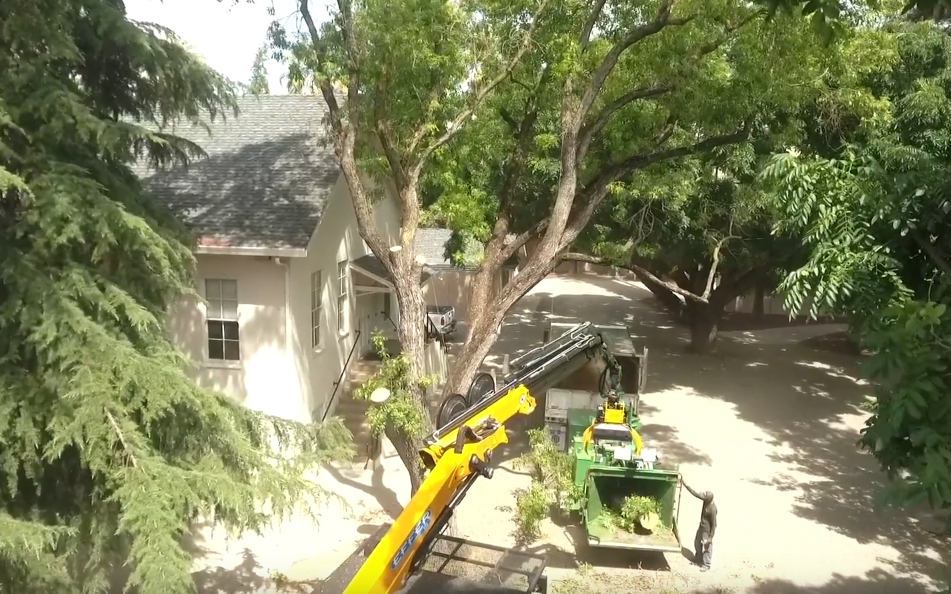
This method requires a specialized crane, which is equipped with a large claw-like device. The crane is used to grip and lift the tree branches and trunk, which can then be moved to a designated area. This is often a much faster and easier way to remove a large tree, and it can be done with minimal disruption to the surrounding environment.

The downside to this method is that it’s expensive and requires a lot of specialized equipment. It can also be dangerous, as the crane can cause significant damage if it’s not operated correctly. Additionally, this method is not suitable for removal of trees and stump removal in tight spaces, such as a backyard or a park.

If you’re considering crane-assisted tree removal, it’s important to consult with a qualified tree services specialist. They will be able to assess your situation and help you decide if this is the right option for you. With their expertise, you can be sure that the job will be done safely and efficiently.

Having a better understanding of crane-assisted tree work can help you make an informed decision about your tree maintenance. It’s important to weigh the pros and cons of each method to determine which one is best for you and your situation. To move on to the next step, let’s take a look at tree climbing and removal.

Arborist Tree Climbing And Removal of Trees

Tree climbing and removal is an effective way to take down a large or difficult tree. It requires a trained arborist to safely climb the tree and then remove it in sections. This technique is often used for trees that are too large for crane-assisted tree work. It is also used for trees that have the potential to cause damage if dropped from a crane.

Tree climbing and removal can be a time-consuming process. An arborist report may be needed to determine the best approach for removing the tree. The tree may then need to be sectioned, which means it will be taken down in pieces. This can be a lengthy affair, as the arborist must ensure that the tree is taken down in a safe and controlled manner.

Once the tree is down, the tree stump will need to be removed. This can be done through a stump removal process called stump grinding. Stump grinding involves using a specialized machine to grind the stump down to a few inches below the surface. This process can take anywhere from a few minutes to a few days depending on the size of the tree.

Tree climbing and removal is a great way to safely take down a large or difficult tree. It requires the help of an experienced arborist, and it may take some time to complete. However, it can help to keep your property safe from potential damage and keep your trees looking beautiful. Furthermore, it can also help to reduce the hassle of dealing with a tree stump, as stump grinding can help to remove the stump quickly and efficiently.

Now that you know the pros and cons of tree climbing and removal, let’s take a look at the other tree removal techniques.

Tree Removal Techniques Services – Pros & Cons

Tree removal is an integral part of many landscaping projects, and there are a few different techniques you can use to fell a tree. Understanding the pros and cons of each can help you decide which method is best for your project.

The first technique is tree felling. This involves cutting down a tree from the bottom and allowing it to fall in a predetermined direction. This is a great option if you have a large tree that needs to be removed quickly, but it can also be dangerous if the tree isn’t cut correctly.

Another option is pruning tree branches. This involves cutting away dead or unhealthy branches to restore the tree’s natural shape. It’s a great way to keep a tree healthy, but it can be difficult to remove large branches without damaging the tree.

Finally, you can also hire a professional tree removal service. This is the safest and most efficient way to remove a tree, but it can also be the most costly. If you’re looking for a cost-effective option, then pruning or felling the tree yourself may be your best bet.

No matter which technique you choose, it’s important to consider the pros and cons of each before you begin. Taking the time to plan ahead can help ensure that your project goes smoothly and that the tree is removed safely. With the right approach, you can have a beautiful yard in no time.

Next, we’ll take a look at tree work safety.

Tree Removal Safety Method

Tree Removal Safety Method Decision

When it comes to tree removal, safety is always the top priority. There are a few precautions you should take before you start the process of removing a tree. First and foremost, you should always make sure you’re wearing the appropriate safety gear. This includes eye protection, gloves, and a hard hat. It’s also important to know your limits and to be aware of your surroundings. If the tree is close to a power line or a building or home, it’s best to leave it to the professionals.

In addition to wearing the right safety gear, it’s also important to know the proper techniques for removing a tree. If you’re using a chainsaw, make sure you read the manual and understand the basics of how to operate it. Even if you feel comfortable using the saw, it’s always a good idea to have someone else around to help out. They can spot any potential hazards and help you stay safe.

When it comes to tree removal, it’s always a good idea to be prepared. Make sure you have the right tools and safety gear, and that you know the proper techniques for removing a tree. Taking the necessary precautions will help to ensure that the job is done safely and efficiently. And that’s the best way to move forward with your project.

Without further ado, it’s time to look into hiring a professional tree service company. The experts can handle the project with ease and provide the best possible results.

Hiring A Professional Tree Services Company

When it comes to tree removal, one of the smartest decisions you can make is to hire a professional tree service company. Not only can they help you remove your tree in a safe and efficient manner, but they can also provide other services such as planting new trees in fresh soil, pruning, trimming, and stump grinding.

It’s important to do your research before hiring a professional tree service company. Ask around for referrals and read reviews online to make sure you’re choosing the right company. You’ll also want to make sure that they are properly insured and licensed to perform tree removal services.

Once you’ve found the right tree service company, make sure to discuss the details of the job with them. Ask questions such as how they plan to remove the tree, what type of equipment they will use, and what their estimated timeline is. It’s also important to find out what type of warranty they offer and what their policy is in the event of damage to your property.

When it comes to tree removal, safety should be your number one priority. A professional tree service company can provide peace of mind knowing that the job will be done correctly. They will have the experience and expertise to remove your tree in a safe and efficient manner, and they can also provide advice and recommendations on how to keep your trees healthy and looking good.

Hiring a professional tree service company is a smart and safe choice when it comes to tree removal. Not only will you have the peace of mind knowing the job is being done correctly, but you can also be sure that your trees will be healthy and looking great for years to come.

Frequently Asked Questions

What Is The Average Cost Of Tree Removal?

Tree removal is an important part of maintaining a healthy and safe environment. It’s important to know what the average cost of tree removal is so that you can make an informed decision when it comes to determining which tree removal technique is right for you.  Arborist reports can be provided prior to the commencement of any work.

When it comes to the average cost of tree removal, it really depends on the type of tree and the removal technique used. Generally speaking, tree removal can range anywhere from a few hundred dollars to several thousand. The cost of tree removal can be affected by factors such as the height of the tree, the location of the tree, the condition of the tree, and the removal technique used.

If you’re looking for a more cost-effective tree removal method, then you may want to consider tree trimming. Tree trimming is typically cheaper than tree removal and can often be done as a DIY project. This can save you money in the short-term, although it’s important to consider the long-term costs associated with tree trimming, such as potential damage to the tree and the need for more frequent maintenance.

If you’re looking for a more permanent solution, then you may want to consider tree removal. This is typically more expensive than tree trimming, but it can save you money in the long-term. Tree removal should always be done by a professional arborist, as they have the skills, knowledge, and tools necessary to safely remove a tree.

So, what’s the average cost of tree removal? The answer really depends on the type of tree and the removal technique used. Generally speaking, tree removal can range anywhere from a few hundred dollars to several thousand. It’s important to do your research and to get multiple quotes before making a decision, as the cost of tree removal can vary significantly depending on the size, location, and condition of the tree.

Environmental Or Ecological Benefits To Removing A Tree

Are There Any Environmental Or Ecological Benefits To Removing A Tree?

When it comes to tree removal, it’s important to consider more than just the financial cost. Are there any environmental or ecological benefits to removing a tree? Depending on the situation, the answer can be yes.  However there are several felling trees cutting pros and cons.

When a tree is removed, it can open up space for more sunlight to reach the ground. This can help to encourage the growth of other plants and trees, which can provide a habitat for wildlife. Additionally, removing an unhealthy or diseased tree can help to prevent the spread of disease to other trees in the soil area.

Removing a tree can also help to improve the visual appeal of a landscape. It can create a more aesthetically pleasing view, which can be beneficial for homeowners or business owners. Removing a dead or dying tree can also reduce the chances of it falling and causing damage to property or people.

On the other hand, removing a tree can have negative environmental impacts as well. Taking away a tree’s canopy can reduce the amount of oxygen it produces, which can have negative consequences for the surrounding area. Additionally, removing a tree can remove food and shelter for certain species of animals.

Ultimately, the decision of whether to remove a tree should be made on a case by case basis. It’s important to consider all of the potential pros and cons, and to make sure that the environment is taken into consideration. Removing a tree can have both positive and negative impacts, so it’s important to weigh them carefully before making a decision.

Can I Remove A Tree Myself Without Professional Help?

Now that we know there can be environmental or ecological benefits to removing a tree, you may be wondering if you can take care of the job yourself without professional help. The answer is yes, but it’s important to understand that tree removal is a dangerous job. It requires skill, knowledge, and the right tools, so it’s not something that should be taken lightly.

If you decide to try and remove a tree on your own, it’s important to do your research first. Make sure you understand the risks and the types of tools and techniques you’ll need to use. It’s also a good idea to check with your local authorities to see if you need to get a permit before attempting to remove a tree.

When it comes to the actual task of removing a tree, you’ll need to have access to the right tools and safety equipment. A chainsaw, safety glasses, and protective gloves are essential, and you’ll also need to have a good understanding of how to use them safely. If you’re unfamiliar with the process, it’s best to leave the job to a professional.

Ultimately, whether you choose to remove a tree yourself or hire a professional, safety should be your number one priority. Tree removal can be a dangerous job, so make sure you understand the risks and take the necessary precautions before attempting the task. With the right tools, knowledge, and safety equipment, you’ll be sure to get the job done safely and effectively.

Are There Any Potential Legal Implications To Removing A Tree?

Tree Pruning & Crown Reduction

When it comes to tree removal, it’s important to consider the potential legal implications of taking matters into your own hands. Depending on where you live, there may be regulations in place that govern tree removal on your property. Therefore, it’s important to do your research first and to familiarize yourself with any local ordinances.

In some areas, you may require a permit to cut down a tree. This will typically depend on the size of the tree as well as its location. If the tree is located in a public space or is owned by someone else, then you may need to get permission from the relevant parties before taking any action.

In other cases, you may need to pay a fee or a fine if you remove a tree without following the local regulations. It’s important to be aware of these potential legal implications and to make sure that you don’t break any laws.

At the end of the day, it’s important to be aware of your rights when it comes to removing a tree from your property. Doing your research first and understanding the potential legal implications can help to ensure that you don’t get into any trouble. So, before you start any tree removal project, make sure you’re up to date on the regulations in your area.

certified arborist or tree removal specialist

Are There Any Regulations Or Permits That Need To Be Obtained Prior To Tree Removal?

When it comes to tree removal, there are certain regulations and permits that must be obtained in order to do so legally. Depending on where you live, different laws and permits may apply to tree removal. Some states require a permit before any tree removal can take place, while other states may have regulations that limit the number of trees that can be removed. It’s important to check with your local municipality to make sure you are complying with the relevant regulations and permits.

If you are thinking about removing a tree from your property, I recommend doing your research beforehand. You’ll want to make sure that you have all of the necessary permits and that you are following any applicable laws. Depending on the size and age of the tree, you may also need to hire a certified arborist or tree removal specialist.

In addition to permits and regulations, you will also need to consider any potential legal implications of removing a tree. If the tree is located on your property, then it’s likely that you are responsible for any damage that may be caused by the removal. This includes any damage to the property of your neighbors, as well as the potential destruction of any wildlife or habitats that may be impacted.

It’s also important to consider any potential environmental implications of tree removal. Depending on the species of tree, there may be certain environmental regulations that need to be followed. For example, some trees may be subject to protection under the Endangered Species Act, so you’ll need to check with your local government to make sure that you are not violating any laws.

Overall, it’s important to take the time to research any regulations or permits that need to be obtained prior to tree removal. This will help to ensure that you are following the law, and that any potential legal or environmental implications are taken into consideration. Doing so will help to ensure that your tree removal is done in a safe and responsible manner.

Conclusion

Tree removal is a complex process, and there are many different techniques to consider. Each technique has its advantages and drawbacks, and the best choice depends on a variety of factors.

When it comes to tree removal, safety is the number one priority. It is important to consider the size and location of the tree, as well as the environmental impact of the chosen method. Hiring a certified tree removal specialist is the best way to ensure the job is done correctly and safely.

Ultimately, the pros and cons of different tree removal techniques should be weighed carefully. With a bit of research and the help of a professional, you can make an informed decision and keep your property safe from potential tree-related hazards.

References:

Tree Climbing Techniques: The Benefits and Drawbacks of Different Styles
Selective Logging: Methods, Specifics, And Impacts
Benefits And Drawbacks Of Tree Removal


from AAA Tree Lopping Ipswich https://ift.tt/mDCyxtY
via IFTTT