Friday, July 28, 2023

Pruning vs. Lopping: A Comprehensive Guide to Choosing the Right Method for Your Trees

Choosing the Right Tree Care: Pruning vs. Lopping

Maintaining trees in your landscape is not only essential for their health but also plays a crucial role in enhancing the aesthetics of your surroundings. Trees are not just elements of beauty; they provide numerous benefits, such as shade, improved air quality, wildlife habitat, and even reducing stress levels for humans. However, to ensure their well-being and longevity, proper tree maintenance practices must be followed. Two common methods used for tree maintenance are pruning and lopping, but understanding their key differences and knowing when to apply each method is vital for the health and growth of your trees.

The Basics of Pruning and Lopping:

Defining pruning and lopping: Pruning and lopping are horticultural practices used to maintain the health, shape, and appearance of trees and shrubs. These methods involve the selective removal of specific parts of the plant, such as branches, stems, or foliage. Both pruning and lopping are essential for the overall well-being of plants, encouraging proper growth, and preventing potential hazards.

  • Pruning: Pruning is the precise and controlled removal of specific plant parts, usually done to enhance the plant’s structure, health, and aesthetics. It involves cutting branches strategically to influence growth patterns, improve fruiting or flowering, and remove dead, diseased, or damaged parts. Pruning is a more delicate and meticulous process that requires careful consideration of the plant’s natural growth habits.
  • Lopping: Lopping, on the other hand, is a more aggressive form of cutting and involves the removal of larger branches or even the main stem of a tree. Lopping is often carried out for safety reasons or to reduce the size of a tree that has outgrown its space. However, lopping can be harmful to the tree if not done correctly, and it is generally considered a less desirable method compared to pruning.

Understanding the objectives of each method:

  • Pruning objectives: a. Health: Removing dead, diseased, or damaged branches helps prevent the spread of infections and improves the overall health of the plant. b. Structure: Pruning influences the growth direction of branches, promoting a well-balanced and sturdy structure for the plant. c. Aesthetics: Pruning enhances the visual appeal of plants, shaping them into desired forms or maintaining a neat appearance. d. Yield: Fruit trees and certain plants benefit from pruning as it encourages higher fruit production by directing energy to fruit-bearing branches. e. Safety: Trimming away hazardous branches that might be at risk of falling can prevent accidents and property damage.
  • Lopping objectives: a. Hazard management: Lopping is often employed to eliminate branches that pose a safety risk due to diseases, decay, or structural weaknesses. b. Clearance: Lopping can be necessary to create clearance around buildings, power lines, or other structures. c. Size reduction: When a tree becomes too large for its surroundings, lopping can reduce its height and spread, preventing overcrowding or potential hazards. d. Rejuvenation: In some cases, lopping is used to revitalize an overgrown or poorly maintained tree, stimulating new growth and improving its health.

Identifying the types of cuts involved in pruning and lopping:

Pruning cuts:

  • a. Thinning cut: This involves removing an entire branch at its point of origin, often used to improve the plant’s structure and allow better airflow through the canopy.
  • b. Heading cut: This cut shortens a branch, stimulating new growth and encouraging bushier growth in shrubs or denser branching in trees.
  • c. Pruning back to a lateral bud: Cutting a branch just above a bud allows the new growth to emerge in the direction of that bud, controlling the plant’s shape.
  • d. Crown reduction cut: Used in selective pruning to reduce the overall size of the tree, typically cutting back to a lateral branch.

Lopping cuts:

  • a. Over-lifting cut: Involves removing lower branches to provide clearance beneath the tree.
  • b. Topping cut: Often considered harmful, this involves cutting across the main stem or upper branches of a tree, resulting in large, open wounds that can lead to decay and structural issues.

It’s important to note that both pruning and lopping should be performed with care and consideration for the plant’s health. Improper cutting can cause damage, stress, and even death to trees and shrubs. For large or complex pruning and lopping tasks, it’s best to hire a professional arborist to ensure the job is done safely and effectively.

Pruning: The Art of Precision:

Benefits of Pruning:

  1. Enhancing tree structure and appearance: Pruning helps maintain the natural shape and aesthetics of trees, making them more visually appealing. By removing overgrown or misplaced branches, the tree’s overall structure is improved, creating a balanced and symmetrical appearance.
  2. Stimulating healthy growth and development: When done correctly, pruning encourages the growth of new shoots and branches. By eliminating dead or weak branches, the tree can focus its resources on producing healthy new growth, which ultimately contributes to a stronger and more resilient tree.
  3. Removing dead or diseased branches: Pruning is essential for tree health as it allows for the removal of dead, diseased, or damaged branches. These branches can act as entry points for pests and diseases, and their prompt removal helps prevent further spread and potential harm to the entire tree.
  4. Improving fruit production (for fruit-bearing trees): For fruit-bearing trees, strategic pruning can significantly impact fruit production. By removing overcrowded branches and ensuring better light penetration and air circulation, the tree’s fruit-bearing potential is enhanced. Additionally, pruning can promote the growth of fruiting wood, leading to more abundant and better-quality fruits.
  5. Enhancing safety by eliminating hazardous branches: Overhanging, weak, or diseased branches can pose significant safety risks, especially during storms or high winds. Pruning helps eliminate these hazardous branches, reducing the chances of property damage and potential harm to people or structures.

Pruning vs. Lopping

Techniques of Pruning:

  1. Crown cleaning: Crown cleaning involves the removal of dead, diseased, or weak branches from the tree’s crown (upper part). This technique improves the tree’s health and appearance by getting rid of branches that are no longer functional and may hinder healthy growth.
  2. Crown thinning: Crown thinning is the selective removal of certain branches to reduce the density of the tree’s canopy. By doing so, more sunlight can penetrate through the crown, and air circulation is improved, reducing the risk of diseases and improving overall tree health.
  3. Crown raising: Crown raising involves the removal of lower branches to provide clearance for pedestrians, vehicles, or buildings. This technique is commonly used in urban areas to ensure the tree’s branches do not interfere with infrastructure or obstruct visibility.
  4. Crown reduction: Crown reduction is a method of reducing the overall size of the tree’s canopy while maintaining its natural shape. It is done for various reasons, such as managing tree size in confined spaces or reducing the weight on heavy branches to prevent breakage.
  5. Structural pruning: This technique is applied primarily to young trees to guide their growth with a strong and balanced framework. By shaping the tree early in its development, it is more likely to develop a sturdy structure, reducing the risk of structural issues as it matures.

Best Practices for Pruning:

  1. Timing: Understanding the right time to prune is crucial and varies depending on the tree species. Generally, it is best to prune deciduous trees during their dormant season (late winter or early spring) to minimize stress and promote vigorous regrowth. Evergreen trees, on the other hand, can be pruned throughout the year but should avoid heavy pruning during their active growth period.
  2. Proper tools and equipment: Using appropriate pruning tools, such as sharp and clean pruning shears, loppers, and saws, ensures clean cuts that facilitate quicker healing. Dull or improper tools can cause unnecessary damage to the tree and slow down the healing process.
  3. Techniques for different tree types: Each tree species has unique growth habits and requirements. Tailoring pruning techniques to specific tree types ensures that the tree responds positively to the pruning cuts and maintains its health and beauty.
  4. Understanding tree responses: Trees respond differently to pruning cuts depending on factors such as the timing, location, and severity of the cut. Learning how trees react to pruning helps arborists make informed decisions and minimize potential negative impacts on tree health.

Lopping: When and How to Use It Wisely

Benefits of Lopping:

  1. Rapid removal of large branches or entire trees: Lopping is an effective method for quickly removing large branches or even entire trees. This can be particularly useful in situations where the tree poses an immediate risk to people or property, such as when branches are hanging precariously or a tree is blocking a road after a storm.
  2. Addressing emergency situations, such as storm-damaged trees: Storms and severe weather events can cause significant damage to trees, leading to broken branches or uprooting. Lopping can be employed to deal with these emergency situations promptly, preventing further damage and ensuring safety in the affected area.
  3. Clearing space for construction or development projects: In urban areas where space is limited, and construction or development projects are underway, lopping may be necessary to create room for new structures or infrastructure. Removing certain branches or trees may also be necessary to ensure the safety of construction activities.

Limitations and Risks of Lopping:

  1. Impact on tree health: Lopping involves the removal of a significant portion of a tree’s canopy, which can cause stress and negatively impact the tree’s health. Improper cuts during lopping can lead to wounds that may become points of entry for diseases and decay, making the tree more susceptible to pests and pathogens.
  2. Aesthetic concerns: Lopping often results in drastic changes to a tree’s appearance. The natural form and balance of the tree can be disrupted, leading to an unattractive and unnatural appearance. This may be a concern in residential areas or landscapes where aesthetics are valued.
  3. Long-term consequences: Lopped trees may experience regrowth issues, as they attempt to compensate for the lost foliage by producing new shoots and branches rapidly. This regrowth can be weakly attached and more prone to breaking, leading to potential hazards in the future. Additionally, the overall structure of the tree can be weakened, increasing the risk of failure during subsequent storms or adverse weather conditions.
  4. Environmental impact: Lopping can have negative consequences for nearby plants and wildlife. Trees play a crucial role in providing habitat and food sources for various animal species. Removing significant portions of a tree’s canopy can disrupt the ecosystem and negatively affect the wildlife that depends on it.

Responsible Lopping Practices:

  1. Hiring professional arborists: Lopping should always be carried out by experienced and certified arborists or tree care specialists. These professionals have the necessary knowledge and expertise to assess the tree’s condition, identify the appropriate branches for removal, and execute the lopping in a way that minimizes the negative impact on the tree’s health.
  2. Understanding legal regulations: Before performing any lopping, it’s essential to be aware of local laws and regulations regarding tree removal and lopping. Some areas may have specific restrictions on tree removal, particularly if the trees are protected or located within designated conservation areas.
  3. Evaluating the necessity: Lopping should only be considered when there are no viable alternatives, such as selective pruning, to address the issues at hand. Before proceeding with lopping, a thorough evaluation should be conducted to determine the best course of action for both the tree’s health and the surrounding environment.

Looping a tree

Factors to Consider:

  1. Tree species and age: Each tree species has unique characteristics and growth patterns. Some trees may respond well to pruning, while others may not. Similarly, the age of the tree plays a crucial role in determining the appropriate method. Younger trees might require more careful pruning to shape their growth, whereas older trees may need specific attention due to their mature structure.
  2. Tree health and condition: Before deciding on a tree care method, it is essential to assess the health and condition of the tree. Trees suffering from diseases, pests, or structural issues might require specialized treatments or, in extreme cases, removal. Identifying the tree’s current state allows for tailored care that addresses its specific needs.
  3. Objectives: Clearly defining the goals of tree maintenance is essential. Different tree care methods serve distinct purposes. Some common objectives include improving aesthetics by shaping the tree, enhancing safety by removing hazardous branches, and promoting fruit production in fruit-bearing trees. Understanding your objectives helps in choosing the most appropriate approach.
  4. Environmental impact: Every tree care method has an impact on the surrounding ecosystem. For instance, excessive pruning or lopping can stress the tree and make it more susceptible to diseases or pests. Moreover, aggressive tree trimming might disrupt the habitat of birds, insects, or other animals that depend on the tree. Considering the environmental consequences of the chosen method is crucial to maintaining the overall ecological balance.

Seek Professional Advice:

  1. Consultation with arborists: When in doubt about the best tree care approach, it is highly recommended to seek advice from certified arborists or tree care professionals. Arborists have extensive knowledge and experience in tree biology, health assessment, and various pruning techniques. They can accurately identify the needs of your trees and provide appropriate recommendations.
  2. Obtaining multiple opinions: If you have multiple trees or are dealing with significant tree care decisions, it’s a good idea to get opinions from different arborists. Not all arborists might have the same approach or experience, and having different perspectives can help you make a well-informed decision.

Frequently Asked Questions

What is pruning, and how is it different from lopping?

  • Answer: Pruning and lopping are both tree maintenance techniques, but they differ in their approach and the amount of foliage removed. Pruning involves the selective trimming of branches to improve the tree’s health, shape, and aesthetics. It targets dead, diseased, or weak branches while promoting proper growth. On the other hand, lopping is a more aggressive method that involves cutting large sections of branches or the entire top of the tree. It’s often used for quick and substantial reduction but can lead to structural issues and damage if not done properly.

When is pruning the better option for tree care?

  • Answer: Pruning is generally the preferred method for routine tree maintenance and should be conducted regularly throughout a tree’s life. It is suitable for removing unwanted branches, enhancing the tree’s shape, and improving air circulation and light penetration. Additionally, pruning promotes new growth and helps prevent potential hazards.

In what situations is lopping considered appropriate?

  • Answer: Lopping is considered appropriate in specific situations where a tree has grown too large, poses a threat to property or people, or obstructs utility lines. However, lopping should be reserved for extreme cases when no other options are viable, as it can cause stress to the tree, lead to decay, and result in unattractive regrowth.

Can pruning also be harmful to trees?

  • Answer: When done correctly, pruning is generally not harmful to trees; in fact, it promotes their health. However, improper pruning techniques, such as excessive cutting, can damage the tree and hinder its growth. That’s why it’s essential to follow proper pruning guidelines and, when in doubt, consult with a certified arborist.

How do I decide which method to choose for my trees?

  • Answer: The choice between pruning and lopping depends on your specific tree care needs and the tree’s condition. If your tree requires minor maintenance, shaping, or dead branch removal, pruning is the more suitable option. On the other hand, if your tree has become a significant safety hazard or is severely overgrown, lopping may be considered as a last resort after consulting with a professional arborist.

Conclusion

In conclusion, choosing the right tree maintenance method between pruning and lopping is crucial for the long-term health, safety, and aesthetics of your trees. While pruning is the preferred and more commonly accepted approach, lopping should only be used under specific circumstances and as a last resort. For most situations, seeking the advice of a qualified arborist will ensure that the appropriate method is chosen and that the trees on your property thrive for years to come.


from AAA Tree Lopping Ipswich https://ift.tt/9LtQduK
via IFTTT

The Art and Science of Tree Pruning: A Comprehensive Guide

The Ultimate Guide to Tree Pruning: Balancing Artistry and Science

Trees are an essential part of our environment, providing us with oxygen, shade, and aesthetic beauty. However, maintaining healthy and well-shaped trees requires proper care, and one of the most crucial practices in tree maintenance is pruning. Tree pruning is both an art and a science, involving a deep understanding of tree biology, growth patterns, and aesthetics.

The Benefits of Tree Pruning

Tree pruning is a crucial practice that involves the selective removal of specific parts of a tree, such as branches, buds, or roots. When done correctly and regularly, tree pruning offers numerous benefits for both the tree and the surrounding environment. Let’s explore some of the key advantages of tree pruning:

  1. Enhanced tree health and vitality: Pruning promotes the overall health and vitality of trees. By removing dead, diseased, or damaged branches, the tree can direct its resources towards new growth and healing. Pruning also allows for better air circulation and reduces the likelihood of fungal infections or insect infestations. Moreover, the removal of crowded branches helps reduce competition for water and nutrients, allowing the tree to thrive.
  2. Improved safety and hazard reduction: Over time, trees can develop weak or overextended branches, making them susceptible to breakage during storms or high winds. By pruning these hazardous branches, the risk of falling limbs and potential property damage is significantly reduced. Regular pruning also prevents branches from growing too close to power lines, buildings, or other structures, thereby enhancing overall safety in the vicinity of the tree.
  3. Increased sunlight exposure for surrounding plants: Tree canopies can become dense over time, blocking sunlight from reaching the ground below. This can negatively impact the growth of other plants, shrubs, and grasses in the vicinity. Pruning opens up the canopy, allowing more sunlight to penetrate through, which is essential for the health and development of understory plants. Increased sunlight exposure also helps improve the biodiversity and ecological balance of the surrounding area.
  4. Aesthetic enhancement of the landscape: Pruning is an excellent way to enhance the visual appeal of trees and the overall landscape. Properly pruned trees have a balanced and attractive shape, which adds to the beauty of gardens, parks, and urban areas. By removing unwanted or awkwardly growing branches, the tree’s natural form is accentuated, providing a more pleasing and harmonious appearance. Pruning can also help maintain the size of a tree, preventing it from overpowering the surrounding space.

It’s important to note that tree pruning should be performed with care and knowledge to avoid causing harm to the tree. Improper pruning techniques or excessive removal of foliage can stress the tree and lead to long-term damage. Hiring a certified arborist or tree care professional is recommended for larger or more complex pruning jobs to ensure the tree’s health and longevity.

Types of Tree Pruning

Tree pruning is an essential practice in arboriculture that involves the selective removal of specific branches or parts of a tree to enhance its health, aesthetics, and safety. Different types of pruning techniques are employed based on the specific objectives and needs of the tree. Let’s delve into each type of pruning and its respective objectives and appropriate situations:

Crown Thinning:

Crown thinning involves the selective removal of interior branches, typically those that are weak, dead, or crossing/rubbing with other branches, to improve air and light penetration through the crown of the tree. The objective is to reduce the density of the foliage while maintaining the tree’s natural shape and overall size. Crown thinning enhances air circulation and light availability, reducing the risk of disease and promoting the overall health of the tree. This type of pruning is particularly beneficial for trees with dense canopies, such as certain species of oaks, maples, and pines.

Appropriate situations: Crown thinning is suitable for mature trees that have overgrown canopies, interfering branches, or are showing signs of poor health due to lack of sunlight and air circulation.

Crown Reduction:

Crown reduction involves the selective removal of the outer branches and foliage to reduce the overall size and height of the tree. This type of pruning is more aggressive than crown thinning and is often done to manage trees that have outgrown their available space or to mitigate potential hazards. The objective is to maintain the natural shape of the tree while reducing its height and spread. Crown reduction should be carried out with care to avoid excessive pruning, which can lead to stress and structural issues in the tree.

Appropriate situations: Crown reduction is suitable for trees that have outgrown their surroundings, pose a risk to buildings or power lines, or need to be pruned back for aesthetic or safety reasons.

Deadwood Removal:

Deadwood removal involves the selective pruning of dead, diseased, or decaying branches from the tree. The objective is to eliminate potential hazards, enhance the tree’s appearance, and promote its overall health. Deadwood can become brittle and pose a safety risk, especially during storms, and it can also attract pests and diseases. By removing deadwood, the tree’s energy can be redirected to healthier parts, encouraging new growth.

Appropriate situations: Deadwood removal is appropriate for all trees, regardless of their size or species, as it helps maintain safety and overall tree health.

Crown Raising:

Crown raising involves the removal of lower branches to provide clearance above the ground, roads, sidewalks, or structures. The objective is to create space beneath the tree’s canopy, allowing for pedestrian and vehicular passage, as well as improving visibility. However, care should be taken not to remove too many lower branches, as they contribute to the structural integrity of the tree.

Appropriate situations: Crown raising is often performed on street trees, urban settings, and pathways to ensure unobstructed passage for people and vehicles.

Structural Pruning:

Structural pruning aims to develop a strong and stable tree structure during the early stages of growth. It involves the selective removal of competing or weak branches to establish a well-balanced and resilient canopy. Proper structural pruning can prevent future hazards and reduce the need for corrective pruning in the tree’s mature stage.

Appropriate situations: Structural pruning is most effective when performed on young trees, allowing them to develop a strong framework that will support healthy growth as they mature.

The Art and Science of Tree Pruning

The Art of Tree Pruning

Tree pruning, when done with an artistic approach, goes beyond just maintaining the health and safety of the trees. It involves shaping and sculpting trees to enhance their natural beauty, creating a balanced and visually appealing canopy, and requires a deep understanding of tree species and their growth habits. This combination of art and science allows arborists and tree enthusiasts to turn pruning into a creative and aesthetic endeavor.

Shaping and Sculpting Trees:

Artistic tree pruning involves carefully removing specific branches or foliage to create a desired shape or form that complements the tree’s inherent beauty. It’s not about forcing unnatural shapes onto the trees but rather revealing the natural elegance hidden within them. This approach often mimics the tree’s natural growth patterns and enhances its unique features, making it stand out as a living work of art in the landscape.

For example, in deciduous trees, a skilled arborist might prune away competing branches to highlight the tree’s dominant central leader, creating a more defined and majestic appearance. In ornamental trees, such as Japanese maples, selective pruning can emphasize their delicate, cascading branches, accentuating their gracefulness and providing an overall pleasing silhouette.

Creating a Balanced and Visually Appealing Canopy:

The canopy of a tree plays a crucial role in its visual impact. Artistic pruning aims to create a balanced and harmonious canopy by selectively removing certain branches to maintain a pleasing overall shape and proportion. A well-managed canopy allows light to filter through the branches, casting intricate shadows on the ground and creating an inviting and tranquil atmosphere.

Achieving balance often involves understanding the tree’s growth patterns and making strategic cuts to encourage a more symmetrical appearance. By maintaining proper branch spacing and removing diseased or damaged limbs, the tree’s overall structure becomes stronger and more visually captivating.

Importance of Understanding Tree Species and Growth Habits:

Each tree species has its own unique growth habits, natural form, and response to pruning. To excel in the art of tree pruning, arborists must possess a deep knowledge of different trees and their specific requirements. For instance, conifers may have different pruning needs compared to flowering trees or fruit-bearing trees.

Some trees respond well to hard pruning, while others require a more delicate touch. Understanding how a particular species grows and how it might react to pruning helps arborists make informed decisions, ensuring the tree remains healthy and aesthetically pleasing.

Additionally, considering the tree’s environment is vital. Factors such as soil conditions, climate, and available space impact the tree’s growth and appearance. Artistic pruning takes all these elements into account to create a design that fits harmoniously within the landscape.

When to Prune Trees

Pruning is an essential horticultural practice that involves removing specific parts of a tree, such as branches, shoots, or buds. Proper timing of pruning can significantly impact the health and recovery of trees. The two main factors to consider when deciding when to prune are the season and the tree species.

Seasonal Timing of Pruning and Its Effects on Tree Health and Recovery:

  1. Winter Pruning: Winter is often considered the best time for pruning deciduous trees, those that lose their leaves in the fall. During the dormant season, trees are in a state of rest, and their metabolic activities are minimal. This reduces the risk of disease transmission and limits stress on the tree during the pruning process. Winter pruning can also make it easier for arborists to identify the tree’s structure, as the absence of leaves provides a clearer view.
  2. Spring Pruning: Spring pruning is generally suitable for removing deadwood, damaged branches, and diseased parts. It is essential to wait until the severe cold has passed and new growth has begun. Pruning early in spring allows the tree to allocate its resources efficiently to the remaining branches and new shoots. However, avoid pruning during the late spring and early summer when trees are actively growing, as this may lead to excessive sap loss and increased vulnerability to pests and diseases.
  3. Summer Pruning: Pruning in summer is typically done for specific purposes, such as shaping the tree or controlling its size. However, this should be done with caution, especially in hot and dry climates, as pruning during this period can stress the tree due to increased water loss through the cuts. Proper irrigation and care are essential after summer pruning to aid the tree’s recovery.
  4. Fall Pruning: Fall is generally not recommended for major pruning as it may encourage new growth that won’t have enough time to harden off before winter. However, removing dead or hazardous branches can be done during this time.

Pruning a Tree

Tools and Equipment for Pruning

Pruning is an essential horticultural practice that involves cutting and trimming plants to promote better growth, remove diseased or dead material, and shape the plants for aesthetic purposes. Having the right pruning tools and using them properly is crucial for achieving clean and effective cuts while minimizing the risk of injury to both the pruner and the plant.

  1. Secateurs (Hand Pruners): Secateurs, also known as hand pruners or pruning shears, are a must-have tool for any gardener. They come in two main types: bypass and anvil. Bypass pruners have two curved blades that pass by each other like scissors, making clean cuts ideal for live stems and branches. Anvil pruners have a single straight blade that cuts against a flat surface and are better suited for dead or woody material. Always use bypass pruners for live branches to avoid crushing and damaging the plant tissue.
  2. Loppers: Loppers are larger and more robust pruning tools designed for cutting thicker branches. They have long handles for extra leverage, which makes them suitable for branches with a diameter too large for hand pruners. Like hand pruners, loppers also come in bypass and anvil styles, so choose the appropriate type based on the type of branches you’ll be cutting.
  3. Pruning Saw: Pruning saws have sharp, serrated blades and are used for cutting thicker branches that cannot be managed by hand pruners or loppers. They come in various shapes and sizes, including folding saws for easy portability. When using a pruning saw, make sure to use smooth and steady strokes to avoid splintering or tearing the wood.
  4. Hedge Shears: Hedge shears have long, straight blades and are designed for trimming and shaping hedges and shrubs. They are not suitable for cutting individual branches but are effective for creating clean lines and maintaining the shape of hedges.
  5. Pruning Knife: A pruning knife is a versatile tool used for more precise pruning tasks, such as removing small suckers, making intricate cuts, and grafting. It typically has a sharp, curved blade that allows for careful and controlled cuts.
  6. Pole Pruner: A pole pruner is a tool that extends your reach for pruning higher branches without the need for a ladder. It usually consists of a long pole with a pruning saw or bypass pruner at the end. When using a pole pruner, be cautious of overhead power lines and other obstacles.

Common Mistakes to Avoid

Tree pruning is an essential horticultural practice that involves the selective removal of branches or parts of a tree to enhance its health, appearance, and safety. However, improper pruning can lead to severe consequences, both for the tree and the people handling the task. Here are some common mistakes to avoid during tree pruning and how to prevent them:

  1. Topping the Tree: Topping involves cutting off the upper portion of the tree’s main branches, leaving stubs. This misguided practice not only disfigures the tree but also weakens it. Trees need their branches to produce energy through photosynthesis. Topping removes a significant portion of the leaf-bearing crown, reducing the tree’s ability to photosynthesize and leading to stress. Avoid topping a tree and opt for proper pruning cuts that encourage healthy growth.
  2. Overpruning: Removing too many branches at once can put excessive stress on the tree. Pruning more than 25% of the tree’s foliage in a single season can disrupt its growth and vitality. Aim for a balanced approach, spreading out pruning over several seasons to minimize shock and maintain the tree’s health.
  3. Incorrect Pruning Cuts: Making improper cuts can cause lasting damage to a tree. Avoid leaving stubs, as they won’t heal properly and can attract diseases and pests. On the other hand, excessive “flush cuts” (close to the trunk) can damage the tree’s branch collar—the natural protective boundary around the base of the branch—hindering the tree’s ability to compartmentalize the wound. Always make clean cuts just outside the branch collar to promote proper healing.
  4. Pruning at the Wrong Time: Trees have specific growth cycles and optimal times for pruning. Pruning at the wrong time of the year can stress the tree or interfere with its blooming and fruiting. Different tree species have different pruning requirements, so research the specific tree’s needs before pruning.
  5. Using Dull or Incorrect Tools: Using dull or inappropriate pruning tools can lead to ragged cuts that take longer to heal, making the tree more susceptible to diseases and infestations. Invest in sharp, high-quality pruning tools and ensure they are sanitized between cuts to prevent the spread of pathogens.
  6. Ignoring Safety Measures: Pruning large trees can be dangerous, especially when using tools like chainsaws and pole pruners. Always wear appropriate safety gear, including gloves, eye protection, and helmets. If the task involves working at heights, consider hiring a professional arborist to avoid accidents.
  7. Overlooking Disease and Infestation: Pruning tools can spread diseases from one branch to another and from one tree to another. Before pruning, inspect the tree for signs of disease, pest infestations, or fungal growth. If any issues are found, take appropriate measures, which may include disinfecting tools between cuts or consulting a professional arborist.

Hiring a Professional Arborist

Trees are valuable assets to any property, providing shade, beauty, and environmental benefits. To ensure their health and longevity, proper maintenance, including tree pruning, is essential. While some minor pruning tasks can be handled by homeowners, more complex or large-scale pruning jobs require the expertise of a certified arborist. Here’s why consulting a professional arborist is crucial for certain pruning tasks:

Advise on when to consult a certified arborist for tree pruning:

  1. Structural Pruning: Trees that are young or newly planted require proper shaping and training to develop a strong and balanced structure. Certified arborists can identify and remove crossing or weak branches to promote a sturdy framework, reducing the risk of future damage caused by falling limbs.
  2. Mature Tree Pruning: Older trees might require pruning to remove deadwood, improve air circulation, or reduce the risk of disease and pest infestation. An arborist will have the expertise to identify the specific branches that need to be removed while preserving the overall health and aesthetics of the tree.
  3. Pruning Near Power Lines: Pruning trees near power lines is dangerous and requires specialized training and equipment. Certified arborists are well-versed in safe techniques for working around power lines while ensuring the health and safety of the tree.
  4. Disease or Pest Infestations: If a tree shows signs of disease or pest infestations, it’s essential to consult a certified arborist promptly. They can diagnose the issue accurately and implement appropriate pruning strategies to mitigate the problem effectively.
  5. Hazardous Trees: Trees that are leaning, damaged, or have large dead branches pose a significant safety risk. In such cases, it is crucial to engage an arborist with experience in dealing with hazardous trees to assess the situation and perform the necessary pruning or removal.

Frequently Asked Questions

Why is tree pruning important?

Tree pruning is essential for maintaining the health, aesthetics, and safety of trees. It promotes proper growth, removes dead or diseased branches, improves air circulation, and reduces the risk of falling branches, which can prevent accidents and property damage.

When is the best time to prune trees?

The ideal time to prune trees depends on the species. In general, late winter or early spring, before the tree starts to bud, is a suitable time for most trees. However, some species may have specific pruning requirements and may be better pruned in summer or fall. Always research the specific tree species or consult an arborist for the best timing.

How much should I prune my tree?

The amount of pruning required depends on the tree’s age, species, and condition. A good rule of thumb is not to remove more than 25-30% of the tree’s canopy in one season. Removing too many branches at once can stress the tree and inhibit its growth.

Can I prune my trees myself, or should I hire a professional?

Pruning small, young trees with easily accessible branches can often be done by homeowners. However, for larger or mature trees, or if the pruning involves climbing or using power tools, it’s best to hire a professional arborist. Arborists have the expertise, equipment, and safety training to handle the job properly and reduce the risk of accidents.

Is there a specific technique for tree pruning?

Yes, proper tree pruning requires using specific techniques to ensure the tree’s health and appearance. Common pruning techniques include crown thinning, crown raising, crown reduction, and deadwood removal. Each technique serves a specific purpose, and the method chosen should be based on the tree’s needs and long-term health.

Conclusion

In conclusion, the art and science of tree pruning should be embraced as an essential component of responsible landscape management. By understanding the principles of tree pruning, applying appropriate techniques, and prioritizing the health and sustainability of trees, we can create beautiful, thriving environments that benefit both current and future generations.


from AAA Tree Lopping Ipswich https://ift.tt/sB7WVRC
via IFTTT

Tuesday, June 13, 2023

Emergency Tree Care and Storm Damage Restoration A Reliable Services at Your Service

Experienced Arborists Ready to Tackle Storm-Related Tree Emergencies

In the face of severe storms and unexpected tree emergencies, the importance of emergency tree care and storm damage restoration cannot be overstated. Trees provide us with numerous benefits, but when they become damaged or pose a threat due to storms, they require immediate attention. Reliable and prompt services during these critical times are crucial for ensuring the safety of individuals and protecting property. By addressing the aftermath of storms and providing expert tree care, professionals can restore order, mitigate risks, and preserve the beauty of our landscapes. In this blog post, we will explore the significance of emergency tree care and storm damage restoration services, highlighting their vital role in times of crisis.

Understanding the Need for Emergency Tree Care

Common causes of tree emergencies and storm damage

Tree emergencies can arise from various causes, including severe weather conditions such as storms, hurricanes, or strong winds. These natural events can lead to fallen branches, uprooted trees, or even complete tree failures. Other common causes of tree emergencies include disease or insect infestations, which can weaken the tree’s structure and make it susceptible to damage. Additionally, accidents like vehicle collisions or construction mishaps can result in immediate tree emergencies.

Potential risks and hazards posed by damaged trees

Damaged trees pose significant risks and hazards to both property and human safety. Hanging or fallen branches can damage structures, vehicles, or utility lines, leading to costly repairs or even injuries. In extreme cases, an unstable or uprooted tree may pose a threat to nearby buildings or individuals. Furthermore, diseased or decayed trees can have compromised structural integrity, making them prone to sudden collapse or limb failure.

Immediate actions to take in case of a tree emergency

When faced with a tree emergency, it is essential to prioritize safety and take immediate action. Clear the area around the damaged tree and ensure everyone keeps a safe distance. Contact professional tree care services promptly to assess the situation and provide expert guidance. Avoid attempting to handle the emergency yourself, as it can be dangerous without the proper knowledge and equipment. Professional arborists will have the expertise to evaluate the extent of the damage, determine the best course of action, and safely remove or stabilize the affected tree.

Understanding the need for emergency tree care emphasizes the importance of swift and professional intervention to mitigate risks, minimize property damage, and ensure the safety of individuals in these critical situations.

Emergency Tree Care Restoration

The Role of Professional Arborists in Emergency Tree Care

  • Expertise and experience in handling tree emergencies:

Professional arborists possess specialized knowledge and training in dealing with tree emergencies. They have the expertise to assess the situation accurately, identify potential risks, and formulate effective strategies to address the emergency promptly. Their experience equips them with the ability to handle various tree-related scenarios, ensuring efficient and safe outcomes.

  • Assessing tree stability and determining the best course of action:

One of the crucial roles of professional arborists in emergency tree care is evaluating the stability of damaged trees. They can assess the extent of the damage, determine whether the tree can be saved, or if it poses an immediate threat and requires removal. Their expertise allows them to make informed decisions regarding the best course of action, considering factors such as tree health, structural integrity, and potential risks.

  • Utilizing proper tools and techniques for safe and efficient tree removal or restoration:

Professional arborists have access to specialized tools and equipment necessary for safe and efficient tree removal or restoration. They employ proper techniques and industry best practices to ensure the safety of both the workers and the surrounding environment. With their expertise and the right tools, they can perform tree removals, pruning, bracing, or other necessary procedures with precision and effectiveness.

In emergency situations, the role of professional arborists is invaluable. Their expertise, assessment skills, and use of appropriate tools and techniques enable them to address tree emergencies efficiently, minimize risks, and restore safety to the affected areas.

Swift and Effective Storm Damage Restoration

Assessing the extent of storm damage on trees and property

After a storm, professional arborists play a crucial role in assessing the extent of the damage inflicted on trees and the surrounding property. They conduct thorough inspections to identify broken branches, uprooted trees, or structural damage caused by the storm. This assessment helps determine the scope of restoration required and guides the subsequent steps in the restoration process.

Clearing debris and ensuring safety in the affected area

One of the immediate priorities in storm damage restoration is clearing debris and ensuring the safety of the affected area. Professional arborists work efficiently to remove fallen branches, uprooted trees, and other debris that may pose risks to people or property. By clearing the area, they create a safe working environment for further restoration efforts.

Restoring damaged trees through pruning, bracing, or other techniques

Professional arborists employ various techniques to restore damaged trees. This may involve pruning broken branches, providing structural support through bracing or cabling, or implementing other tree care practices to promote the tree’s recovery. Their expertise allows them to determine the most appropriate methods for each tree, considering factors such as the extent of damage, tree species, and overall health.

Swift and effective storm damage restoration is essential for minimizing further risks and restoring the beauty and functionality of the affected area. Professional arborists, with their assessment skills, debris clearing expertise, and restoration techniques, play a vital role in ensuring a timely and efficient recovery process.

Safety Measures in Emergency Tree Care

  • Prioritizing safety during tree emergencies is paramount to protect both the workers and the surrounding environment.
  • Professional arborists ensure they are equipped with proper protective gear and specialized equipment to carry out their tasks safely and efficiently.
  • They adhere to industry standards and best practices for safe tree removal, employing techniques that minimize risks and prevent accidents. Safety measures are integral to ensuring a successful and secure emergency tree care operation.

Preventive Measures to Minimize Storm Damage

  • Regular tree inspections and maintenance are vital to identify potential risks before they become emergencies.
  • Pruning and trimming help reduce wind resistance and prevent limb failure during storms.
  • Strengthening trees through proper fertilization and structural support enhances their resilience against storm damage. These preventive measures minimize the risks associated with severe weather events and promote the overall health and stability of trees.

Storm Damage Restoration

Finding Reliable Emergency Tree Care Services

  • When seeking emergency tree care services, it is essential to research and select reputable tree care companies with a proven track record of excellence.
  • Checking credentials, certifications, and customer reviews helps ensure that the chosen service provider has the necessary expertise and qualifications.
  • Evaluating their responsiveness, availability, and emergency service offerings ensures that they can promptly address tree emergencies and provide reliable assistance in times of crisis. Finding a reliable emergency tree care service provider is crucial for receiving efficient and professional assistance during tree emergencies.

 Frequently Asked Questions

  1. What is emergency tree care? Emergency tree care involves providing immediate assistance and solutions for trees that have been damaged or pose a threat due to storms, accidents, or other unforeseen events. It includes assessing the situation, addressing risks, and performing necessary tree services such as pruning, bracing, or removal to ensure safety and minimize further damage.
  2. How quickly can emergency tree care services respond to an emergency? Response times can vary depending on the severity of the situation and the availability of the service provider. However, reliable emergency tree care services strive to respond promptly to urgent situations, often within hours of being contacted.
  3. Are emergency tree care services available 24/7? Many reputable tree care companies offer 24/7 emergency services to address tree emergencies at any time. These services understand the urgency of such situations and are committed to providing timely assistance when needed.
  4. How do I choose a reliable emergency tree care service? When selecting an emergency tree care service, consider factors such as their experience, certifications, and customer reviews. Look for a company that has a proven track record in handling tree emergencies and provides prompt, professional, and reliable services.
  5. Will my homeowner’s insurance cover the cost of emergency tree care? Homeowner’s insurance policies typically cover the cost of emergency tree care if the damage was caused by a covered event, such as a storm. It’s important to review your insurance policy and contact your insurance provider to understand the specifics of your coverage.

Reliable emergency tree care services are dedicated to promptly addressing tree emergencies and restoring safety and functionality to your property. By understanding the services offered, response times, and how to choose a reputable provider, you can be prepared to handle any tree emergency with confidence.

Related Source

Storm Damage


from AAA Tree Lopping Ipswich https://ift.tt/5gzVhOT
via IFTTT

Tree Care Made Easy: Maintaining the Health and Beauty of Your Trees

Mastering Tree Care Basics: How to Ensure the Health and Beauty of Your Trees

Properly caring for trees requires a solid understanding of the basics. First and foremost, trees require regular tree maintenance to thrive. Regular pruning helps shape the tree, remove dead or diseased branches, and promote healthy growth. Additionally, different tree species have specific needs that must be met to ensure their well-being. Some trees prefer well-drained soil, while others thrive in moist environments. Understanding these requirements is crucial for providing appropriate care. Moreover, weather conditions greatly impact tree health. Extreme temperatures, drought, storms, and strong winds can all pose challenges. By recognizing and mitigating the effects of weather on trees, we can protect their health and longevity.

Assessing Tree Health

Assessing the health of trees is essential to identify and address any potential issues promptly. It begins with recognizing common tree health issues such as nutrient deficiencies, fungal infections, or pest infestations. Regular visual inspections play a key role in this process, allowing us to observe the overall condition of the tree, the appearance of leaves and branches, and any signs of stress. It is equally important to be able to recognize signs of disease, pests, and decay, such as discolored leaves, wilting, bark damage, or the presence of pests. By being vigilant and proactive in assessing tree health, we can take appropriate measures to ensure their well-being.

Tree Pruning Techniques

Pruning is a fundamental aspect of tree care that offers numerous benefits to the health and appearance of trees. First and foremost, pruning promotes proper tree structure, removing dead, damaged, or diseased branches that can pose safety hazards. It also improves air circulation and sunlight penetration, reducing the risk of fungal infections and promoting overall tree health. Pruning can enhance the tree’s aesthetic appeal by shaping it, encouraging a balanced canopy, and maintaining a desirable size.

To ensure effective pruning, it is crucial to employ proper methods and tools. Tools such as hand pruners, loppers, and pruning saws should be clean, sharp, and appropriate for the branch size. Proper techniques, such as making clean cuts just outside the branch collar, minimize damage and promote healing. Different tree types have specific pruning requirements, and the timing of pruning varies. While some trees are best pruned during the dormant season, others may require pruning after flowering. Understanding the specific needs of different tree species ensures optimal results and minimizes the risk of negative impacts on tree health.

tree care

Watering and Soil Management

Proper watering and soil management are essential for maintaining the health and vitality of trees.

Understanding the water requirements of trees

Different tree species have varying water requirements, and it is important to understand the specific needs of the trees in your care. Factors such as climate, soil type, and tree age influence water needs. Some trees prefer moist soil, while others tolerate drier conditions. Research the water requirements of your tree species to ensure you provide the appropriate amount of water.

Proper watering techniques

Watering trees deeply and infrequently is generally recommended. This promotes deep root growth and helps trees become more resilient during dry periods. Water should be applied slowly to allow it to penetrate the soil deeply. Mulching around the base of trees helps retain soil moisture and prevent weed growth, reducing competition for water.

Soil testing and fertilization

Regular soil testing helps determine the nutrient levels and pH balance of the soil. This information allows you to adjust fertilization practices accordingly. Applying organic mulch and using slow-release fertilizers can help replenish nutrient levels and improve soil structure. However, it is important to avoid over-fertilization, as it can harm tree roots and negatively impact tree health.

By understanding the water requirements of trees, implementing proper watering techniques, and managing soil fertility, you can ensure that your trees receive the necessary resources to thrive and maintain their beauty.

Protecting Trees from Pests and Diseases

Common pests and diseases affecting trees

Trees are susceptible to various pests and diseases that can impact their health and vitality. Common pests include insects like aphids, beetles, and caterpillars, as well as diseases caused by fungi, bacteria, or viruses. Understanding these common threats is crucial for effective tree protection.

Prevention and early detection strategies

Prevention is key to protecting trees from pests and diseases. Implementing good cultural practices such as proper watering, mulching, and regular pruning can enhance tree health and resilience. Early detection is equally important, as it allows for timely intervention. Regularly inspecting trees for signs of pests or diseases, such as unusual leaf discoloration, wilting, or abnormal growth, enables prompt action to prevent further damage.

Natural and chemical treatments

There are various treatment options available to combat tree pests and diseases. Natural methods include introducing beneficial insects or using organic sprays to control pests. Cultural practices like improving soil fertility can also enhance tree resistance. In severe cases, chemical treatments may be necessary, such as insecticides or fungicides. It’s important to follow instructions carefully and consider the potential impact on the environment.

By understanding the pests and diseases that commonly affect trees, implementing preventive measures, and being vigilant in early detection, we can protect our trees from potential threats. Whether using natural or chemical treatments, the goal is to maintain a healthy balance that preserves the beauty and vitality of our cherished trees.

prunning a tree

Dealing with Tree Hazards

Ensuring the safety of trees and their surroundings requires addressing potential hazards effectively. Identifying hazardous tree conditions is the first step in this process. This includes recognizing signs of structural instability, such as leaning, cracks, or root damage. Once identified, taking steps to mitigate tree risks becomes crucial. This can involve measures such as installing tree supports, pruning to remove dead or weak branches, or implementing proper tree cabling techniques. In some cases, when the hazard is significant, it is advisable to hire professional arborists for tree removal. Their expertise ensures safe and efficient removal, minimizing the risk to people and property.

Preserving Trees in Different Seasons

Preserving the health and beauty of trees requires adapting our care practices to the changing seasons. In spring, it is crucial to provide proper nourishment to support new growth. This can be achieved through fertilization and regular watering. Summer tree maintenance focuses on ensuring trees receive adequate hydration to withstand the heat, using mulch to retain moisture and providing shade when possible. As fall approaches, it is important to prepare trees for the coming winter by inspecting for any vulnerabilities, pruning dead branches, and protecting against frost and harsh weather conditions. By understanding the unique needs of trees in each season, we can effectively preserve their vitality throughout the year.

Frequently Asked Questions

How often should I water my trees?

The frequency of watering depends on several factors, including the tree species, soil type, and weather conditions. As a general guideline, young trees typically require more frequent watering, while established trees have deeper root systems and can tolerate longer periods between watering. It is best to water deeply and infrequently, ensuring the water reaches the roots. Monitor the soil moisture levels and adjust the watering schedule accordingly.

When is the best time to prune my trees?

The ideal time to prune trees varies depending on the tree species. Generally, it is recommended to prune during the dormant season, typically in late winter or early spring before new growth begins. However, there are exceptions. Trees that bloom in spring should be pruned right after flowering. It is important to research the specific pruning requirements of your tree species or consult an arborist for guidance.

How can I protect my trees from pests and diseases?

Prevention is key in protecting trees from pests and diseases. Regularly inspect your trees for signs of infestation or disease, such as discolored leaves, holes in the bark, or wilting. Maintain proper tree care practices, including pruning to promote air circulation and removing dead branches. Keeping the tree healthy through proper watering and fertilization can also boost its resistance to pests and diseases. In some cases, natural treatments like introducing beneficial insects or using organic pest control methods can be effective. If the problem persists, consult a professional arborist for guidance on appropriate treatments.

Can I transplant a mature tree?

Transplanting a mature tree is possible but requires careful planning and execution. It is best done during the dormant season when the tree is less active. Start by assessing the tree’s health and consulting with an arborist to ensure transplanting is a viable option. Proper preparation, including root pruning and creating a suitable planting hole, is essential. Adequate post-transplant care, such as regular watering and monitoring, is crucial to help the tree establish in its new location.

In conclusion, maintaining the health and beauty of our trees is crucial for a sustainable and vibrant environment. Trees not only enhance the aesthetics of our surroundings but also provide numerous benefits, such as clean air, shade, and wildlife habitat. By understanding tree care basics, assessing tree health, and implementing proper maintenance practices, we can ensure the longevity and vitality of our trees. Whether it’s pruning, watering, protecting against pests and diseases, or preparing for different seasons, each step contributes to the overall well-being of our trees. Let’s prioritize tree care, engage with professional arborists when needed, and work together to create a greener and healthier environment for generations to come. Remember, every tree we nurture is a valuable investment in the future.

Related Source

10 Ways to Keep Your Trees Healthy: Tree Care Tips


from AAA Tree Lopping Ipswich https://ift.tt/BXkDm3F
via IFTTT

Tuesday, May 30, 2023

Choosing the Best Fertilizer for Your Trees An Unbiased Review

Unlocking Tree Health: A Comprehensive and Impartial Review of Fertilizers

Trees are like the engine of your yard, constantly running and providing beauty and shade for your outdoor space. And just like any engine, trees need fuel to keep them going strong. That’s where fertilizer comes in – it’s the fuel that keeps your trees healthy and vibrant.

But with so many different types of fertilizers on the market, it can be overwhelming to choose the right one for your specific tree needs.

Choosing the best fertilizer for your trees is like choosing the right type of gasoline for your car – you want to make sure you’re using a high-quality product that will keep things running smoothly.

With this unbiased review, we’ll help you navigate through all the options out there and find the perfect fertilizer to meet your tree nutrient needs. From understanding what kind of nutrients trees require, to considering factors such as application timing and maintaining healthy trees long-term, we’ve got you covered.

So buckle up and get ready to give your trees the fuel they need to thrive!

Understanding Tree Nutrient Needs

You need to understand what nutrients your trees crave, like a chef who knows the ingredients needed for a perfect dish. Trees need three primary macronutrients: nitrogen, phosphorus, and potassium.

Nitrogen is essential for leaf growth and vibrant green color. Phosphorus is necessary for root development and overall plant health. Potassium helps trees build strong cell walls and resist disease.

However, different types of trees have varying nutrient requirements depending on their species, location, and growing conditions. For example, fruit-bearing trees require more potassium than non-fruit bearing ones because it promotes fruit production.

It’s crucial to identify which nutrients your trees lack so that you can choose the right fertilizer that meets their specific needs. With this knowledge in mind, let’s dive into the different types of fertilizers available on the market today.

Types of Fertilizers

Now let’s take a look at the different types of fertilizers available for your tree’s needs. There are various types of fertilizers, each with its own set of benefits and drawbacks.

Here are the most common types:

  • Organic Fertilizers: Made from natural materials like composted manure, bone meal, or fish emulsion. They release nutrients slowly over time and improve soil health.
  • Inorganic Fertilizers: Also known as chemical fertilizers, these are made from synthetic materials and provide an immediate boost in nutrients to plants. However, they can harm soil health if used excessively.
  • Slow-release Fertilizers: These gradually release nutrients into the soil over several months. They are perfect for trees that require consistent feeding but don’t want to be constantly fertilized.
  • Liquid Fertilizers: Applied through watering cans or sprayers, liquid fertilizers are fast acting and easy to use. They can be organic or inorganic.

Choosing the right fertilizer for your tree requires careful consideration of its nutritional requirements and environmental impact. In the next section, we’ll discuss the pros and cons of each type so you can make an informed decision about which one is best suited for your needs.

Best Fertilizer for Your Trees

Pros and Cons of Different Fertilizers

If you’re looking to maximize your tree’s growth while minimizing negative environmental impact, understanding the pros and cons of each type of fertilizer is crucial.

Organic fertilizers, for example, offer a safer alternative to chemical fertilizers by providing essential nutrients in a slow-release form that minimizes leaching and runoff into nearby water sources. Additionally, organic fertilizers can improve soil health over time by promoting microbial activity and increasing the soil’s ability to retain moisture.

On the other hand, chemical fertilizers can provide quick results but have several downsides. These types of fertilizers contain high concentrations of nitrogen, phosphorus, and potassium that can easily be washed away by rain or irrigation if not absorbed by the plant roots quickly enough. This runoff can lead to pollution in local bodies of water and harm aquatic life. Furthermore, excessive use of chemical fertilizers may also cause long-term damage to soil health by killing off beneficial microorganisms that keep the soil ecosystem balanced.

When choosing a fertilizer for your trees, it’s important to consider not only the benefits but also any potential drawbacks associated with each option. Understanding how different types of fertilizer interact with your tree’s environment will help you make an informed decision about which product will provide optimal growth without causing unintended harm to surrounding ecosystems or long-term damage to soil health.

Factors to Consider When Choosing a Fertilizer

Before making a decision, consider which factors are most important to you when it comes to fertilizing your trees. One key factor is the nutrient content of the fertilizer. Different types of trees require different nutrients, so it’s important to choose a fertilizer that contains the right balance for your specific tree species.

For example, nitrogen is essential for plant growth and green foliage, while phosphorus promotes root development and flowering. Another factor to consider is the release rate of the fertilizer. Slow-release fertilizers provide nutrients gradually over an extended period, while quick-release fertilizers provide a sudden burst of nutrients that may not be sustainable in the long term.

Additionally, organic fertilizers are derived from natural sources and are often more environmentally friendly than synthetic alternatives. As you consider these factors for choosing a fertilizer, keep in mind that application and timing are also crucial elements in promoting healthy tree growth.

Application and Timing

The key to promoting healthy tree growth lies in proper application and timing of fertilizers. Studies have shown that applying fertilizer during the active growing season can increase nutrient absorption by up to 90%. To ensure effective application, it’s important to follow the instructions on the fertilizer package carefully. Here are some tips for applying fertilizer:

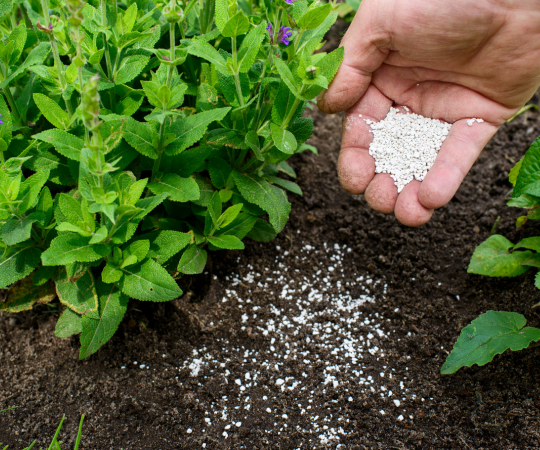
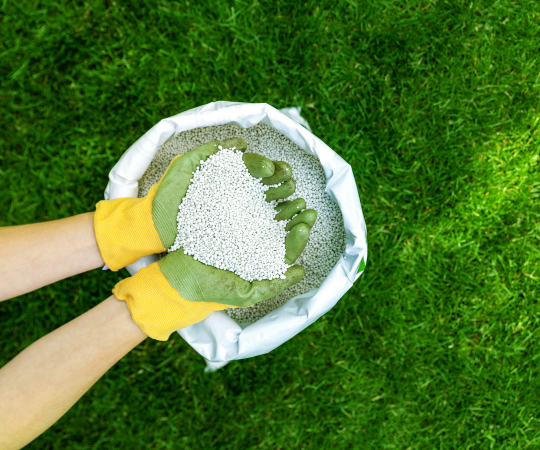
  • Spread the fertilizer evenly around the base of the tree.
  • Water the area thoroughly after applying fertilizer.
  • Avoid getting fertilizer on leaves or branches as this can cause damage.
  • Use a slow-release fertilizer for long-lasting results.

By following these tips, you can help your trees get the nutrients they need to thrive.

Maintaining healthy trees requires more than just proper fertilization, however. Let’s explore some other steps you can take to keep your trees in top shape.

Maintaining Healthy Trees

Now that you know how to apply fertilizer and when to do it, let’s talk about the importance of maintaining healthy trees. While fertilizer can certainly help with growth and overall health, it’s not a miracle worker.

There are other factors that play into the success of your trees, such as proper watering, pruning, and pest management.

One crucial aspect of tree maintenance is monitoring for signs of stress or disease. This could include discoloration or wilting leaves, abnormal growth patterns, or evidence of insect infestation. Early detection is key in preventing further damage and saving the life of your tree.

Regular inspections by a certified arborist can ensure that any issues are caught early on and resolved before they become severe. In addition to this, providing adequate water during dry periods and removing dead or damaged branches through regular pruning will also help maintain the health and vitality of your trees.

Remember: a healthy tree is better equipped to withstand environmental stresses such as droughts or extreme temperatures.

Best Fertilizer for Your Trees

Frequently Asked Questions

Are there any natural alternatives to chemical fertilizers for trees?

Looking for natural alternatives to chemical fertilizers for your trees? You’re not alone. Luckily, there are plenty of options out there that can provide your trees with the nutrients they need without harming the environment or introducing harmful chemicals into your yard.

One option is compost, which is made from organic matter like leaves, grass clippings, and food scraps.

Another option is manure, which can be sourced from local farms or even your own backyard if you have livestock.

You can also use bone meal or blood meal as a natural source of nitrogen for your trees. Whatever route you choose, just make sure to do your research and follow application instructions carefully to ensure the best results for your beloved trees.

Can fertilizing trees too often actually harm them?

Fertilizing trees too often can actually harm them. In fact, over-fertilization is a common problem that many tree owners face.

Did you know that excessive fertilization can lead to an imbalance in the soil’s nutrients and cause root burn? This means that the roots can become damaged or even die, which ultimately affects the health and growth of the entire tree.

To avoid this issue, it’s important to only fertilize your trees when necessary and to use the appropriate amount based on their specific needs. It’s always best to consult with a professional arborist or horticulturist for guidance on proper fertilizer usage.

How do I know if my tree needs fertilizer?

If you’re wondering if your tree needs fertilizer, there are a few things to consider. First, look at the overall health of the tree. If it’s growing well and has vibrant leaves or needles, it may not need additional nutrients.

However, if the tree appears stunted or has yellowing leaves, it could benefit from fertilizer. Factors such as soil quality and environmental stressors can impact a tree’s nutrient uptake and make fertilization necessary.

Consider having a soil test done to determine what type of fertilizer would be most beneficial for your specific tree species and location. Overall, paying attention to your tree’s health and being proactive about fertilization can help ensure its long-term success.

What is the best way to apply fertilizer to my trees?

You’ve determined that your trees need fertilizer, but now you’re wondering how to apply it.

The best way to apply fertilizer to your trees depends on the type of fertilizer you’re using and the size of your trees.

For granular fertilizers, simply sprinkle the recommended amount around the base of each tree and water it in.

For liquid fertilizers, mix the recommended amount with water and use a watering can or hose attachment to distribute it evenly around each tree’s drip line.

Remember not to over-fertilize, as this can harm your trees more than help them. As they say, “less is more” when it comes to fertilizing your trees.

What are the long-term effects of using certain types of fertilizers on the environment?

When it comes to the long-term effects of using certain types of fertilizers on the environment, there are a few key things to keep in mind.

First and foremost, it’s important to remember that not all fertilizers are created equal. Some contain chemicals that can be harmful to both plants and animals over time, while others are more natural and sustainable.

Additionally, the way in which you apply your fertilizer can also have an impact on the environment. For example, if you’re applying too much fertilizer or not properly managing runoff, it could lead to pollution of nearby waterways.

Ultimately, choosing the right fertilizer for your trees is about finding a balance between what’s best for your plants and what’s best for the environment as a whole.

Conclusion

Congratulations on making it to the end of this guide! You now have a solid understanding of the different types of fertilizers available and how to choose the best one for your trees.

Remember, it’s important to consider factors such as soil type, tree species, and nutrient deficiencies before selecting a fertilizer. One thing to keep in mind is that choosing the right fertilizer is like finding the perfect pair of shoes.

Just like how you wouldn’t wear high heels to go hiking or running shoes to a formal event, you need to select a fertilizer that suits your tree’s specific needs. By doing so, you’ll be able to provide your trees with the nutrients they need for healthy growth and development.

So go ahead and grab your gardening gloves – it’s time to put your newfound knowledge into action! With some careful consideration and proper application techniques, you’ll be well on your way towards maintaining beautiful and healthy trees in no time.

Happy planting!

Related Source

The 10 Very Best Fertilizers for Houseplants


from AAA Tree Lopping Ipswich https://ift.tt/nz2qXWt
via IFTTT

Your Ultimate Tree Fertilization Calendar When and How to Feed Your Leafy Friends

Your Ultimate Tree Fertilization Calendar: When And How To Feed Your Leafy Friends”

Are you a proud tree owner who wants to ensure that your leafy friends stay healthy and vibrant all year round?

One essential aspect of tree care is fertilization, which provides the necessary nutrients for trees to grow strong and resilient. To achieve optimal growth, it’s crucial to develop a customized fertilization plan that considers factors such as soil type, climate conditions, and the specific needs of each tree species.

In this article, you’ll learn everything you need to know about fertilizing your trees, from understanding the basics of tree nutrition to determining the best time and method for applying fertilizers.

We’ll also cover common mistakes to avoid when fertilizing your trees and provide practical tips for developing a customized fertilization plan that suits your unique needs.

By following our ultimate tree fertilization calendar, you can rest assured that your leafy friends will thrive throughout the seasons.

Understanding the Basics of Tree Fertilization

You’re going to love learning about the basics of giving your trees the nourishment they need to thrive. Fertilization is an essential part of tree care, and it can make a big difference in the health and growth of your leafy friends.

Trees require nutrients such as nitrogen, phosphorus, and potassium, which aren’t always readily available in their surrounding soil. Fertilizing provides these much-needed elements in the right amounts to promote growth and maintain overall health.

There are many different types of fertilizers available on the market, but they all contain varying amounts of nutrients. Before choosing a fertilizer for your trees, you should conduct a soil test to determine what type of nutrients your soil is lacking. This will help you choose a fertilizer that meets those specific needs.

Determining the best time to fertilize also plays an important role in ensuring that your trees receive maximum benefits from their feeding schedule.

Determining the Best Time to Fertilize

As you plan the growth of your garden, it’s important to consider when to nourish the soil so that it can produce bountiful and healthy crops. For trees, timing is everything when it comes to fertilization. The best time to apply fertilizer depends on several factors such as tree species, age, climate, and soil type.

For deciduous trees, the ideal time for fertilization is during late fall or early spring before new growth starts. This allows the nutrients to penetrate deep into the soil and reach the roots for maximum absorption. On the other hand, evergreen trees should be fertilized in early spring before new growth appears.

Keep in mind that over-fertilizing can cause more harm than good, so always follow label instructions and avoid applying fertilizer during periods of drought or extreme temperatures. With proper timing and application techniques, your leafy friends will thrive with a healthy boost of nutrients.

Transitioning into our next section about ‘applying fertilizers correctly’, let’s take a closer look at how you can ensure optimum nutrient uptake for your trees without causing harm to them.

Applying Fertilizers Correctly

Get the most out of your fertilizer by learning how to apply it correctly without harming your trees.

First, make sure to spread the fertilizer evenly around the tree’s drip line, which is where the branches end and water drips down to the ground. This ensures that all parts of the tree receive equal amounts of nutrients.

Second, avoid getting fertilizer on any part of the tree above ground level, including leaves and bark, because it can cause damage or even burn them.

Lastly, water thoroughly after applying fertilizer to help it penetrate deep into the soil where roots absorb nutrients.

Applying fertilizers correctly is crucial for promoting healthy growth in your trees. By following these three simple steps, you can ensure that your trees get all the necessary nutrients they need without causing harm or damage: spread evenly around drip line, avoid getting on visible parts above ground level, and water thoroughly after application.

In order to achieve optimal results from fertilization efforts, it’s important to also be aware of common mistakes people often make when applying fertilizers – we’ll discuss these in detail next.

Common Mistakes to Avoid

If you want to make sure your trees are getting the most out of their fertilizers, it’s important to avoid these common mistakes.

One of the biggest mistakes is over-fertilizing. While it may seem like more fertilizer would lead to more growth, too much can actually harm the tree by burning its roots and causing excessive leaf growth at the expense of root development.

Another mistake is using the wrong type of fertilizer. Different trees have different nutrient requirements, and using a one-size-fits-all approach can lead to imbalances or deficiencies in nutrients needed for healthy growth.

Additionally, applying fertilizers at the wrong time can also be detrimental. For example, applying nitrogen-based fertilizers during drought conditions can promote new leaf growth that will require more water than the tree is able to absorb, leading to stress and potential damage.

To get the most benefit from your fertilization efforts, it’s essential to develop a customized plan based on your specific tree species and current growing conditions.

By developing a customized fertilization plan, you’ll be able to ensure that your trees are receiving exactly what they need at the right times throughout the year. This will help them grow strong roots, produce vibrant foliage and flowers or fruit as appropriate for their species, and resist pests and diseases better than if you were just guessing or following generic guidelines without considering each tree’s individual needs.

Developing a Customized Fertilization Plan

Let’s craft a personalized fertilizer plan for your trees to ensure they receive the exact nutrients they need at the appropriate times throughout the year, maximizing their growth potential.

First, identify the species of tree you have and research its specific nutrient requirements. This will allow you to tailor your fertilization plan accordingly and avoid over- or under-fertilizing.

Second, consider factors such as soil type, climate, and age of the tree when determining its fertilizer needs. For example, younger trees require more nitrogen than older ones.

Third, decide on the type of fertilizer you will use based on your tree’s specific needs and preferences. Organic fertilizers are a great option for those looking for an environmentally friendly choice that also releases nutrients slowly over time. Synthetic fertilizers tend to be more concentrated with nutrients but can lead to run-off if not applied correctly.

By taking these three steps into account while developing your personalized fertilizer plan, you’ll set yourself up for success in growing healthy and robust trees throughout the year.

With this in mind, let’s move on to monitoring and adapting your fertilization plan as necessary to ensure continued growth and health for your leafy friends.

Monitoring and Adapting Your Fertilization Plan

Now that you’ve developed a customized fertilization plan for your trees, it’s important to monitor and adapt it as needed.

Tracking the growth and health of your trees is key to ensuring they receive the right amount of nutrients at the right time.

By adjusting fertilizer amounts and timing based on these observations, you can maximize their growth potential.

And if any problems or concerns arise, addressing them promptly can prevent further damage and maintain optimal tree health.

Tracking Growth and Health

Keep an eye on how your trees are growing and their overall health to ensure they’re receiving the proper care and nourishment they need.

Observe the color, size, and shape of leaves, as well as any signs of disease or pests. Check for any dead branches or areas where growth seems stunted.

By tracking these factors, you can determine if your fertilization plan is working effectively or if adjustments need to be made.

In addition to visual observations, consider conducting soil tests periodically to assess nutrient levels and pH balance. This information can help guide your fertilization schedule and ensure that your trees are receiving the appropriate nutrients in the right amounts.

With careful monitoring and attention to detail, you can keep your leafy friends healthy and thriving for years to come. It’s important to also consider adjusting fertilizer amounts and timing based on your observations.

Adjusting Fertilizer Amounts and Timing

So, you thought you had it all figured out with your fertilizer plan, but surprise! Your trees aren’t responding as expected. Don’t panic – it’s time to adjust the amounts and timing of your application based on the observations you’ve made about their growth and health.

If your trees are showing signs of nutrient deficiencies or excesses, it may be time to increase or decrease the amount of fertilizer you’re applying. You can also try adjusting the frequency of applications, spacing them out more if your trees seem overwhelmed by too much at once.

It’s important to remember that different trees have different needs when it comes to nutrients, so don’t be afraid to experiment with different amounts and timings until you find what works best for each one. Keep track of any changes you make and how they affect growth and health over time.

With a little patience and attention to detail, you’ll soon find yourself with healthy, thriving leafy friends in no time!

Now that we’ve covered adjusting fertilizer amounts and timing, let’s move on to addressing problems and concerns with your tree fertilization plan.

Addressing Problems and Concerns

If you’re experiencing issues with your tree’s growth or health, it’s time to take a closer look at potential problems and concerns that may be affecting your fertilizer plan.

One common issue is over-fertilization, which can lead to excessive growth or even burn the roots of the tree. To avoid this problem, make sure to follow the recommended amount of fertilizer for your specific type of tree.

Another concern is under-fertilization, which can result in stunted growth and a lack of nutrients for the tree. If you notice yellowing leaves or slow growth, it may be time to adjust your fertilization schedule or increase the amount of fertilizer used.

Additionally, keep an eye out for pests and diseases that can also affect the health of your trees.

By addressing these problems and concerns, you can ensure that your leafy friends receive all the necessary nutrients for optimal growth and health.

Frequently Asked Questions

Can you use any type of fertilizer on any tree, or are there specific types for specific trees?

You might be wondering if any type of fertilizer can be used on any tree or if specific types are needed. The truth is, while some fertilizers may work well on one type of tree, they may not be as effective on another.

This is because different trees have different nutrient requirements and soil conditions that need to be taken into consideration when selecting the right fertilizer. For example, fruit trees require more potassium than nitrogen, while conifers prefer acidic soils and therefore need a fertilizer with a higher sulfur content.

So, it’s important to choose the right type of fertilizer tailored to your tree’s needs to ensure optimal growth and health.

How often should you test the soil to determine the tree’s nutrient needs?

To determine the nutrient needs of your trees, it’s recommended to test the soil at least once a year. Soil tests will reveal the pH level, nutrient deficiencies and excesses, as well as other factors that can impact tree growth.

The frequency of testing may vary depending on location, soil type, weather conditions, and tree species. For example, trees in sandy soils or those growing in areas with heavy rainfall may require more frequent testing than those in clay soils or areas with low precipitation.

By monitoring and adjusting the nutrients provided to your trees based on soil test results, you can optimize their growth and health for years to come.

Is it safe to use chemical fertilizers around children and pets?

Using chemical fertilizers around children and pets may seem like a concern at first, but it can be safe with proper precautions and responsible use. Always follow the instructions on the label carefully and keep children and pets away from treated areas until the product has been fully absorbed or washed away by rainfall.

Additionally, consider using organic alternatives that are safer for both your family and the environment. Ultimately, it’s important to weigh the benefits of fertilizing your trees against any potential risks and make an informed decision based on your specific situation.

How long does it take for a tree to show the effects of fertilization?

When it comes to fertilizing trees, you may wonder how long it takes for the effects of fertilization to become apparent. The answer to this question can vary based on several factors such as the species of tree, soil conditions, and type of fertilizer used.

In general, it can take anywhere from a few weeks to a few months before you start seeing the results of your efforts. Keep in mind that patience is key when it comes to tree care and that consistent fertilization over time will ultimately lead to healthier and stronger trees.

Are there any natural alternatives to commercial fertilizers that can be used on trees?

You may think that commercial fertilizers are the only way to keep your trees healthy and vibrant, but there are actually several natural alternatives available.

From compost and manure to bone meal and seaweed extract, these organic options provide essential nutrients without the harmful chemicals found in synthetic fertilizers.

Not only are they better for the environment, but they also promote healthy soil and microbial activity, leading to stronger root systems and improved overall tree health.

So before you reach for that bag of chemical fertilizer, consider giving some of these natural alternatives a try – your leafy friends will thank you!

Conclusion

Congratulations, you now have the ultimate tree fertilization calendar! By understanding the basics of tree fertilization, determining the best time to fertilize, and applying fertilizers correctly, you can ensure that your leafy friends are well-fed and healthy all year round.

Remember to avoid common mistakes like over-fertilizing or using the wrong type of fertilizer.

Developing a customized fertilization plan for your specific trees is key. Consider factors such as age, species, and soil conditions when creating your plan. And don’t forget to monitor and adapt as needed throughout the year.

As they say, “you can’t judge a book by its cover,” so take care of your trees from the roots up – they’ll thank you with strong growth and bountiful foliage.

Related Source

When To Fertilize Plants: Best Times For Application Of Fertilizer


from AAA Tree Lopping Ipswich https://ift.tt/hOmnIH4
via IFTTT

The AZ of Tree Removal Understanding Costs Permits and Safety Measures

Mastering Tree Removal: Unlocking Insights on Pricing, Permits, and Ensuring Safety

If you’re considering removing a tree from your property, there are several important factors to consider. From the costs associated with tree removal to the permits required and potential safety risks, it’s essential to have a thorough understanding of the process before you get started.

In this article, we’ll take you through the A-Z of tree removal so you can make an informed decision about whether or not it’s the right choice for your property. We’ll cover everything from assessing potential risks and choosing the right service to preparing for the removal process and post-removal maintenance.

By the end of this article, you’ll have a comprehensive understanding of what’s involved in tree removal and be better equipped to make an informed decision about whether or not it’s right for your needs.

Understand the Costs Associated with Tree Removal

You’re probably wondering how much it’s going to cost you to get rid of that eyesore in your yard. Well, let us tell you – there are a lot of factors that go into the pricing of tree removal services!

Firstly, the size and height of the tree will play a significant role in determining the cost. The larger and taller the tree, the more expensive it will be to remove. Additionally, if there are any obstacles such as power lines or buildings near the tree, this can also increase the price. The location of your property may also affect costs since some companies charge extra for travel time.

Another factor affecting cost is whether or not you want stump removal as well. Stump removal is an additional service that often comes at an extra cost because it requires specialized equipment and skills. Lastly, keep in mind that different companies have different pricing structures and rates, so make sure to shop around before deciding on one.

Understanding permit requirements is crucial when it comes to removing trees from your property safely and legally.

Know the Permits Required for Tree Removal

In order to avoid legal issues, it’s important for you to know the permits required for tree removal. Local and state regulations dictate what kind of trees can be removed and under what circumstances. Obtaining these permits involves following specific procedures, which we will explain in detail.

Adjust the paragraph structure in the Input to logically group complete sentences on their own lines, with a double new line after. Use contractions.

Local and State Regulations

Before starting any work, it’s essential to be aware of the regulations and rules set by your state and local government. These regulations are put in place to ensure that tree removal is done safely and responsibly. Here are some important things you should know about local and state regulations regarding tree removal:

  1. Different states may have different laws or ordinances when it comes to tree removal. Some states require a permit for removing trees on private property, while others do not.
  2. Local governments may also have their own specific guidelines for tree removal, such as which types of trees can be removed and where they can be disposed of.
  3. Violating these regulations can result in fines or even legal action, so it’s crucial to understand what is required before beginning any tree removal project.

Knowing the local and state regulations regarding tree removal is an essential step in obtaining the necessary permits for your project. By understanding these guidelines, you can ensure that your project complies with all relevant laws and ordinances, minimizing the risk of fines or other penalties down the line.

How to Obtain Permits

To make sure you can get started on your tree removal project without any legal issues, it’s important to know how to obtain the necessary permits.

First, research the local regulations and requirements for tree removal permits in your area. Depending on where you live, there may be different types of permits required based on factors such as the size of the tree or whether it is located on public or private property.

Once you have a clear understanding of what type of permit(s) are needed, contact your city or county government office responsible for issuing permits. They’ll provide you with an application form that needs to be filled out and submitted along with any supporting documentation such as photos, site plans, and proof of insurance.

Make sure to submit your application well before starting any work so that you have enough time to receive approval and avoid potential fines or legal issues.

With your permit(s) in hand, you can move onto assessing potential safety risks associated with removing the tree.

Without proper assessment and precautions in place, removing a tree can be extremely dangerous for both yourself and anyone nearby.

Assess Potential Safety Risks

Assessing potential risks is crucial when it comes to removing trees, as accidents can happen even to the most experienced professionals. It’s important to note that over 100 tree care workers die annually due to job-related injuries.

This is why before starting any tree removal project, you should assess the potential safety risks in the area. Start by identifying any obstacles or hazards that may be present nearby such as power lines, buildings, fences, or other large trees. These obstacles can make the task more challenging and increase the risk of injury or damage.

Additionally, consider the overall condition of the tree itself – if it’s leaning towards a structure or has large branches hanging over a roadway, special precautions will need to be taken during removal. By assessing these factors beforehand and taking proper precautions, you can minimize risk and ensure a safe removal process.

When it comes to choosing the right tree removal service for your needs, there are several factors to consider.

Choose the Right Tree Removal Service

When it comes to choosing the right tree removal service, there are a couple of key points that you should keep in mind.

Firstly, take the time to research different companies and compare their rates and services.

Secondly, don’t be afraid to ask for references from previous customers so that you can get an idea of their level of expertise and professionalism.

By being methodical and thorough in your approach, you can ensure that you choose a tree removal service that meets all of your needs and provides top-notch service.

Researching Companies

Researching companies can help you find a reliable tree removal service that fits your needs and budget. When looking for a company, consider the following:

  • Reputation: Check online reviews and ratings to see what others have experienced with the company.
  • Experience: Look for a company with years of experience in tree removal services. This ensures that they have the knowledge and skills necessary to handle different types of trees and situations.
  • License and insurance: It’s important to hire a company that’s licensed and insured to protect yourself from liability in case of accidents or damages.

By taking these factors into consideration, you can narrow down your options to find the best tree removal service for your needs.

Once you’ve found some potential companies, it’s time to ask for references. Asking for references can give you an idea of how previous customers felt about their experience with the company.

Asking for References

Now that you’ve narrowed down your options, it’s time to ask for references and hear from previous customers about their experience with the company.

Ask the tree removal company for a list of references, and make sure to follow up with them. It’s important to gather as much information as possible about the company before making a final decision.

When speaking with references, ask about their overall satisfaction with the job, as well as any specific concerns or issues that arose during the process. You can also inquire about safety measures taken by the crew and how they handled any unexpected situations.

Gathering this information will help you make an informed decision and ensure a smooth tree removal process.

As you prepare for the tree removal process, there are several key steps to take in order to ensure safety and efficiency.

Prepare for the Tree Removal Process

Get ready to dive into the nitty-gritty of getting rid of those leafy giants and learn how to smoothly sail through the process. Before you embark on this journey, make sure you’re well-prepared by taking note of these four important steps:

  1. Clear the area: Tree removal can be a messy business, so it’s crucial that you clear the area around the tree before work begins. This means removing any furniture, toys, or other items that could obstruct or damage equipment.
  2. Notify your neighbors: If your tree is close to a neighbor’s property, it’s important to let them know about your plans for removal. Not only is this considerate, but it also gives them a chance to prepare for any noise or disruption.
  3. Check for underground utilities: Before any digging begins, call 811 and have all underground utilities marked out on your property. This will prevent accidents and ensure that work can proceed safely.
  4. Arrange for debris removal: Once the tree has been removed, there will be plenty of debris left behind. Make sure you’ve arranged for its disposal ahead of time so that your yard doesn’t become an eyesore.

Now that you’re fully prepared for the tree removal process, it’s time to turn your attention to post-removal maintenance…

Post-Removal Maintenance

Now that you’ve successfully completed the tree removal process, it’s time to focus on post-removal maintenance.

This includes stump removal, planting new trees, and proper disposal of debris.

Stump removal is important not only for aesthetic reasons but also to prevent potential hazards such as tripping or attracting pests.

Planting new trees can help fill in any gaps left by the removed tree while improving air quality and providing shade.

Proper disposal of debris is crucial for maintaining a clean and safe environment.

Stump Removal

If you’ve ever had a tree cut down, you know that getting rid of the stump can be just as important and sometimes just as difficult. Stumps left behind after tree removal pose safety hazards and can attract pests like termites and rodents into your property. Not to mention, they can also be an eyesore in your otherwise beautiful lawn.

Stump removal requires specialized equipment and expertise. Depending on the size of the stump, it may require grinding or excavation with heavy machinery. It’s important to hire a professional who knows how to safely remove stumps without damaging surrounding structures or landscaping.

Once the stump is removed, you’ll have a clean slate for planting new trees or other vegetation to enhance your outdoor space.

Planting New Trees

Planting new trees can be a great way to enhance the beauty and functionality of your outdoor space, and it’s important to have the right knowledge and tools to ensure their successful growth.

Here are some tips for planting new trees:

  1. Choose the right tree species for your area: Different trees thrive in different climates, so make sure you choose a species that is suitable for your local climate conditions.
  2. Pick a good location: Trees need sunlight, water, and nutrients to grow properly, so choose a spot with good drainage and enough sunlight throughout the day.
  3. Prepare the soil: Loosen up the soil around where you’ll plant the tree using a shovel or garden fork. If necessary, add compost or organic matter to improve soil quality.
  4. Water regularly: Newly planted trees need plenty of water during their first few years of growth to establish their root systems.

Now that you know how to plant new trees successfully, it’s important to also consider proper disposal of debris when removing old ones.

Proper Disposal of Debris

Don’t be a lazy, careless homeowner – dispose of your debris properly to prevent environmental damage and keep your community looking great!

After tree removal, you’ll likely have a lot of debris on your hands. It’s important to properly dispose of this debris to protect the environment and comply with local regulations.

First, consider hiring a professional disposal service. They can safely remove and transport the debris to an appropriate location for disposal or recycling.

If you decide to handle it yourself, make sure you separate the different types of debris (branches, trunks, leaves) and find out where they can be disposed of in your area. Some cities have designated facilities for yard waste while others may require special permits or arrangements for disposal.

Regardless of how you choose to dispose of the debris, always do so responsibly and ethically.

Frequently Asked Questions

What happens to the wood and debris left behind after the tree is removed?

After a tree is removed, the wood and debris left behind can be repurposed in a number of ways. Small branches and twigs can be turned into mulch which can then be used as fertilizer or ground cover for gardens.

Larger pieces of wood can be cut into firewood and used to heat homes during the winter months. If the tree was diseased, it’s important to dispose of the wood properly to prevent further spread of the disease.

Some municipalities offer curbside pickup of yard waste while others require residents to bring their own waste to designated sites. It’s important to research your local regulations regarding disposal before beginning any tree removal project.

Can the roots of the tree be removed as well, and is this included in the cost of removal?

Removing a tree is not just about cutting it down. If you want to remove the roots as well, expect to pay extra for that service. Removing the roots requires specialized equipment and expertise since they can extend deep into the ground and spread out far from the trunk.

Think of it like pulling out a weed – if you only cut off the visible portion above ground, it will likely grow back again. However, unlike weeds, tree roots can cause damage to your property’s foundation or underground utilities if left unchecked.

Make sure to discuss root removal with your tree removal service provider before scheduling the job, so there are no surprises when it comes time to pay.

Are there any alternatives to tree removal, such as trimming or pruning, that could save me money?

If you’re looking to save money on tree maintenance, there are alternatives to removal that may be suitable for your situation. Trimming and pruning can help maintain the health of a tree while also reducing its size or shape. This is often a more cost-effective solution than full removal, as it requires less labor and equipment.

However, it’s important to note that trimming or pruning should only be done by professionals with experience in proper techniques and safety measures. Additionally, regular maintenance such as fertilization and pest control can prevent the need for drastic action in the future.

Overall, consider all options before deciding on tree removal to ensure you’re making the best decision for your budget and property.

How long does the tree removal process typically take, and will it disrupt my daily routine?

Picture this: the towering tree in your yard, once a symbol of beauty and life, now poses a threat to your safety and property. You’ve decided that it’s time for removal, but you’re worried about how long the process will take and how much it will disrupt your daily routine.

The truth is, every job is unique and therefore requires different timelines. Factors like tree size, location, and complexity of the project all play a role in determining the length of time required for removal. However, a professional arborist can provide an estimate based on their expertise and experience.

Rest assured that while there may be some disruption to your daily routine during the process, a reputable company will work with you to minimize any inconvenience as much as possible.

What happens if the tree removal service damages my property during the removal process?

If the tree removal service damages your property during the process, you have options for recourse. First, make sure that the company you hire has liability insurance to cover any damages they may cause.

If damage does occur, document it with photos and notify the company immediately. Most companies will work with you to resolve any issues and cover repair costs. In extreme cases where a resolution cannot be reached, legal action may be necessary.

It’s important to do your research and choose a reputable tree removal service to minimize the risk of property damage in the first place.

Conclusion

Congratulations on reaching the end of this comprehensive guide to tree removal! By now, you should have a good understanding of the costs involved, permits required, safety measures to consider, and how to choose the right service for your needs.

But before you take action and remove that unwanted tree from your property, there may be one objection lingering in your mind: “Why bother removing it at all?”

You might think that leaving a dead or dying tree alone won’t cause any harm. However, failing to remove it can lead to potential safety hazards such as falling branches or even an entire tree collapsing on your property. Additionally, leaving a decaying tree can attract pests like termites and other insects which can spread throughout your yard or even into nearby structures.

In conclusion, while it may seem easier to leave trees untouched rather than dealing with the hassle of removal, taking care of them is essential for maintaining both the aesthetics and safety of your home. Remember to always prioritize safety first by assessing risks and choosing a reputable professional service for any necessary removals.

With these tips in mind, you’ll be well-equipped to make informed decisions about managing trees on your property.

Related Source

5 Useful Tips for Safe & Efficient Tree Removal


from AAA Tree Lopping Ipswich https://ift.tt/PxKwg5F
via IFTTT